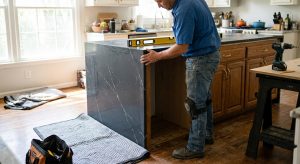
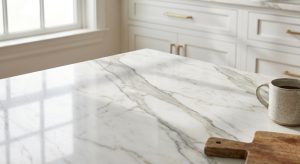
When you begin researching a waterfall countertop cost estimate, you might feel overwhelmed by the range of materials, installation fees, and customization options. It is natural to wonder whether the modern aesthetic and practical advantages truly justify the price. The reassuring news is that with a thorough understanding of your options, you can make an informed choice that fits both your style and budget. Waterfall countertops are becoming increasingly popular thanks to their elegant appearance and the sense of completeness they bring to any kitchen or bathroom space.
In this guide, you will find detailed information on how much you can expect to spend on materials like quartz, granite, and marble, alongside insights into fabrication expenses, installation labor, and additional features. By the end, you will have a clearer picture of what drives these costs and how you can budget responsibly. With the right plan in place, you can embark on your project with confidence, achieving the refined look you are aiming for while sidestepping unpleasant financial surprises.
Below, you will discover a structured breakdown of the main factors to consider, from basic budgeting fundamentals to detailed comparisons of different stone choices. Along the way, you will also learn how to optimize your space and explore a supportive approach to bring your vision to life. This guide has been crafted to provide a balanced blend of research, professional insights, and empathy for your unique needs, helping you feel confident and prepared for the journey ahead.
Explore cost basics
Understanding the essential components that form a waterfall countertop’s price is the first step in creating a realistic budget. At its core, a waterfall countertop wraps the top surface downward at one or both ends, giving your kitchen island or cabinet a dramatic and continuous flow. This design visually stands out, but it also requires precision and additional materials compared to a traditional, horizontal countertop. The main cost factors typically include:
- Material type and quality
- Installation complexity
- Fabrication (including custom cuts and edge work)
- Additional features, like electrical outlets or custom cabinetry
When planning your budget, you want to ensure you outline the total square footage your project requires. Waterfall countertops cover not only the horizontal surface but also one or two vertical sides. For instance, quartz or granite slabs cost between $40 and $100 per square foot, while installation can add as much as $100 per square foot (Caesarstone US). These ranges naturally fluctuate based on factors such as your region, the specific pattern of your chosen slab, and the complexity of the layout.
On average, building a waterfall kitchen island can cost anywhere from $3,000 to $10,000 when you factor in labor, material choices, and potential custom features like additional outlets (Coohom). While this may seem steep initially, keep in mind that waterfall countertops often enjoy a longer lifespan than more conventional designs, especially if you select materials that endure well over time. By committing to materials like quartz that require minimal maintenance, you could save significantly on the ongoing costs of resealing or repairs.
If you are considering a modern kitchen makeover, it is worth noting that waterfall countertops work especially well in contemporary and open-plan layouts. However, they may be less suited to classic or traditional spaces, as the sleek lines and minimalistic profile could conflict with a heavily ornamented design. That does not mean you cannot make it work, but you will want to ensure that the aesthetic flows gracefully with your existing décor.
Staying conscious of these fundamental thoughts regarding waterfall countertop cost will help you make rational choices, ensuring you dedicate your resources effectively. When you are prepared with this baseline knowledge, you can more confidently move on to comparing materials and calculating more specific costs.
Evaluate your material options
Selecting the right material plays a big role in balancing costs and maintaining the elegant flow of a waterfall countertop. The type of stone or surface you choose impacts not only the visual outcome but also the price, durability, and long-term maintenance needed. Here is where your preferences and priorities come into play.
- Quartz: Often celebrated for its adaptability and resistance to stains, quartz is considered one of the top choices for waterfall designs. It typically costs $75-$120 per square foot to purchase, with installation fees ranging from $60 to $100 per square foot (Caesarstone). Though the initial costs may be on the higher side, quartz requires no resealing and stands up well to daily use, making it a practical solution.
- Granite: Known for its durability and wide array of colors and patterns, granite prices usually fall between $50 and $150 per square foot (Coohom). You will, however, want to budget for resealing, sometimes twice a year, to keep your granite waterfall countertop in top shape. If you prefer a robust and heat-resistant surface and do not mind a bit of periodic maintenance, granite may suit you.
- Marble: Renowned for sophistication and silky veining, marble can be an eye-catching statement piece. It does come with extra maintenance since marble is more porous and prone to staining. Marble can easily fit in the higher end of the budget, but for some homeowners and designers, the luxury aesthetic is worth the extra cost.
- Other materials: If you are looking for unique textures, you can opt for options like reclaimed wood or cast concrete. While these materials may not always offer the same longevity and scratch-resistance as quartz or granite, they deliver a distinctive aesthetic that can be an excellent conversation starter in modern spaces.
Assess your own lifestyle and preferences as you weigh these options. If you have a bustling household with a lot of cooking activity, selecting a tougher material like quartz or granite might make it easier to manage daily wear and tear. If you prefer an undeniably exquisite look and are willing to dedicate extra care, marble may be your prime candidate. Each material offers a unique value proposition, so take your time exploring your favorite styles before committing to a final choice.
If you seek professional guidance on selecting practical and visually appealing materials, you might consider a waterfall countertop project consultation. Reliable consultation can help you decide whether quartz, granite, marble, or an alternative surface aligns best with your home’s needs, budget, and design themes.
Consider labor and fabrication
Beyond material costs, labor and fabrication can have a significant impact on your final waterfall countertop cost estimate. Precision is key in achieving that seamless effect where the countertop “cascades” gracefully down the sides. This means that cutting the stone, matching the veining, and carefully mitering the edges will require the skill of an experienced fabricator.
If your chosen stone requires custom cuts, you may spend up to $2,000 extra for computer numerical control (CNC) laser cutting, depending on the complexity and size of your slab (Caesarstone US). This expense covers the painstaking work that goes into crafting the perfect angles and ensuring the pattern lines up flawlessly between the top and the waterfall sections.
Skilled labor is also a factor. Professional installers often charge anywhere from $1,000 to $3,000 simply for labor on a waterfall kitchen island, especially if the project involves specialized techniques like waterfall countertop edge mitering or custom corner work (Coohom). Some of the tasks that influence your labor expenses include:
- Reinforcing support: A waterfall side can sometimes weigh hundreds of pounds, which might necessitate additional bracing to hold up the extended structure.
- Seam matching: Achieving a sleek, continuous pattern across edges is time-consuming.
- Edge profiling: The edges of your waterfall section must be meticulously shaped to match the rest of your countertop.
While it might be tempting to reduce your expenses by trying a do-it-yourself approach, this is generally unwise. Extensive experience is necessary for the safe handling and flawless finishing of stone slabs. A small miscalculation or slip could ruin an expensive piece of marble or quartz, not to mention that injuries or damages might ensue. Even more importantly, an unprofessional installation can lead to noticeable seams or an imbalanced countertop, detracting from the entire look and potentially creating safety hazards.
When interviewing potential contractors, ask about their expertise with waterfall installations. Consider approaching waterfall countertop specialists who have verifiable references for premium stone projects. In addition to ensuring the job is handled with care, vetted specialists typically have the experience needed to see challenges coming and plan accordingly. Their capabilities help you avoid surprises and produce a result that you can enjoy for many years without constant repair or refitting.
Factor in additional expenses
As with any home renovation, there is a range of miscellaneous and sometimes hidden expenses that can accumulate. One potential extra cost is adding integrated features, such as built-in electrical outlets or USB charging ports, on the side of the waterfall for handy use. You may also wish to add shelves or cabinets behind the waterfall for extra storage, although that would require custom design and carpentry.
The more personalization you want, the higher the final bill. According to Coohom, adding these kinds of special features can elevate the budget to $10,000 or even more, depending on the scale of your project. It is prudent to decide early on which, if any, of these additions are critical to your vision. That way, everything can be factored into your overall cost plan, giving you fewer surprises later on.
You will also do well to keep in mind aspects of ongoing maintenance, especially if you choose a material that requires frequent sealing or specialized cleaners. Of course, many individuals find the easy, wipe-down nature of quartz surfaces to be a major selling point. Since quartz resists stains and rarely needs sealing, you might see the upfront investment as a way to save on future upkeep costs. Periodic resealing alone for granite or marble countertops can range from $200 to $1,200 over time (Caesarstone US).
Planning is your best defense against ballooning costs. Consider keeping a small contingency fund—somewhere between 10% and 20% of your total budget—to address unexpected details. Whether it is reworking a corner cut or addressing small structural adjustments, having this cushion will help you handle potential bumps in the road without overwhelming stress. Constructing a thoughtful budget, then periodically reviewing it during the installation process, gives you a more secure sense of control and helps you maintain a supportive mindset.
Compare popular materials
While you have already read an overview of several materials, it is often helpful to see a direct comparison to weigh the pros, cons, and cost brackets. Waterfall countertops demand sturdy and visually cohesive materials to maintain a seamless appearance. Below is a table summarizing typical cost ranges and key attributes for popular choices:
| Material | Typical Cost (per sq ft) | Maintenance Needs | Notable Advantages |
|---|---|---|---|
| Quartz | $75 – $120 purchase $60 – $100 install |
Minimal, no resealing required | Excellent durability, cohesive patterns |
| Granite | $50 – $150 | Requires resealing twice a year | Heat-resistant, wide color selection |
| Marble | Varies widely, often $100+ | Regular sealing, can stain | Luxurious look, classic veining |
| Wood | Varies ($50 – $100+) | May need oiling or resealing | Warm, natural look, unique character |
| Concrete | $65 – $135+ | Sealing recommended | Industrial, custom shapes and finishes |
Keep in mind these figures can shift drastically depending on your region, the color pattern you select, and the brand or manufacturer. Certain rarer stones can exceed even the top range, especially if you want exotic veining or custom color patterns that stand out. Factor in that waterfall countertops require more material than standard pieces, meaning if you want to add a waterfall effect on both sides of an island, you are essentially buying two extra slabs.
If your heart is set on a dramatic stone like marble but you are wary of the maintenance, you might explore waterfall marble countertops. These specialized services could supply you with protective sealants or guidance on daily care that prolongs your countertop’s pristine look. Conversely, if you want to combine durability and style, waterfall granite countertop installation or waterfall quartz countertop installation might be more in line with your lifestyle needs.
Installation process overview
When you are ready to move forward, understanding the step-by-step process can help you better plan your schedule and confidently work with your contractor.
Measuring and templating
Before the first cut is ever made, a precise template of your space is critical. This entails detailed measurements of the base cabinets, any corners or existing walls, and the necessary overhang on each side. Sometimes, you might choose to bring in professionals for a waterfall countertop measurement service to avoid the pitfalls of inaccurate measurements.
During this stage, the contractor will also discuss design details such as the thickness of the slab—commonly 2-3 inches for most waterfall edges—and the position of any seams or corner cuts. Taking the time to clarify these measurements assures you will not wind up with a slab that does not align properly when it arrives on-site.
Edge mitering methods
A big part of the waterfall style’s visual consistency hinges on how well the edges come together. Mitering, the technique that joins two pieces of stone at a 45-degree angle, should be done with expert-level precision. Cutting the slab incorrectly could produce a gap or misalignment where the horizontal surface meets the vertical drop. Some homeowners opt for seamless waterfall countertop installation to ensure the pattern flows without interruption.
Once the pieces are cut and properly fitted, a contractor will typically secure them with industrial-strength adhesive, ensuring the bond holds firm under the countertop’s own weight. They may also add specialized brackets or concealed supports if the overhang is large (some overhangs can reach 10.5 to 18 inches, depending on your preference (Caesarstone US).
Throughout this process, consistent communication with your contractor helps confirm that your design preferences are being respected. If a problem arises, such as a misalignment of the pattern, you can address it before the slab is entirely secured. This not only saves time but also preserves your peace of mind as you head into the final polishing stage.
Should you have a bathroom project in mind, you can look into waterfall vanity countertop installation. The same meticulous measuring and mitering steps apply, ensuring your bathroom vanity can achieve a sleek, modern statement without compromising on durability or functionality.
Achieve a supportive design
Selecting a waterfall countertop is about more than choosing materials—it is an investment in your overall living environment. The design you introduce can bring reassurance, positivity, and a sense of refinement each time you step into the kitchen or spa-like bathroom. By paying close attention to how seamlessly the countertop integrates with your cabinets, flooring, and overall décor, you preserve both aesthetic appeal and functional harmony.
Some people decide to combine a waterfall edge with open shelving to display décor items or store cooking utensils. This approach can maximize visual intrigue and practicality. If you want consistency in your design, consider matching or complementing the waterfall edges with horizontal surfaces in the same or similar material. Alternatively, introduce subtle contrast by pairing crisp white quartz with warm wood cabinets, or vice versa.
If you discover mid-project that your original design requires adjustments due to spacing or budget concerns, do not be afraid to collaborate with your fabricator on a revised plan. The goal is to create a supportive environment—one that aligns with your personal style and daily life. In some cases, merging different textures or surfaces might yield a uniquely tailored look that sets your home apart.
Because the waterfall concept can extend to both residential and commercial contexts, you may even explore commercial waterfall countertop installation if you are redesigning a workspace or retail setting. Such installations can convey a forward-thinking image and help you build a sense of trust with clients or visitors.
Ultimately, a well-executed waterfall countertop can become an everyday source of reassurance and empowerment. You can take pride in knowing the space you have created embodies your desired balance of aesthetics, functionality, and mindful planning.
Frequently asked questions
Below are five of the most frequently asked questions to further support your understanding as you finalize your waterfall countertop project.
-
How do I get an accurate waterfall countertop cost estimate?
A good starting point is to measure your available space or consult a waterfall countertop measurement service for expert assessment. Then, reach out to local suppliers for price quotes on the specific material you have in mind. Don’t forget to factor in fabrication fees, installation labor, and any potential extra features like outlets or shelving. -
Is a waterfall countertop worth it for a smaller kitchen?
Yes, as long as the design remains proportionate to your space. A waterfall countertop can introduce a spacious feel to small kitchens by extending the eye downward seamlessly. You must ensure you have enough clearance to navigate around the island or cabinets. Working with a skilled contractor is crucial to avoid crowding or restricting walkways. -
Does the waterfall design suit all décor styles?
Waterfall edges typically complement modern and contemporary aesthetics best. They can, however, be adapted to transitional or eclectic designs with thoughtful material selection. If your home’s interior is very traditional, the sleek angle of a waterfall might contrast with the space. Consider mixing materials, for example pairing marble with classic cabinetry, to bridge the gap stylistically. -
How can I reduce my overall project costs?
One option is choosing a mid-range stone color or pattern instead of a highly exotic slab. You could also opt to apply the waterfall effect on only one side of your countertop, reducing the total square footage (and labor) needed. Collect multiple quotes from contractors specializing in custom waterfall countertop fabrication, as this can produce a better deal while maintaining quality. -
How often do I need to maintain or reseal my waterfall countertop?
Maintenance schedules vary by material. Quartz typically needs minimal care, requiring just regular cleaning with a mild, non-abrasive cleanser. Granite may need resealing one or two times a year, depending on usage and the brand’s recommendations. For marble, plan on annual sealing to reduce the risk of stains. If you have further questions, a waterfall countertop care maintenance service can provide tailored advice.
By considering all of the elements discussed in this guide, you can feel more confident about moving forward with your waterfall countertop installation. It is an opportunity to elevate the beauty and functionality of your space while staying mindful of your financial parameters. The key is to remain informed at each stage, from selecting your material to finalizing the smallest design details. Whether you prefer the resilience of quartz, the allure of marble, or the timeless nature of granite, a waterfall countertop can serve as both a statement piece and a supportive element in your everyday life.
Use this knowledge to shape a realistic budget and choose a trustworthy contractor who understands the intricacies of waterfall design. Doing so can greatly reduce stress and help you focus on the positive impact this upgrade can bring. With thoughtful planning, you will soon have a refined, long-lasting countertop that speaks to your personal style, providing a comfortable and uplifting environment for you and your loved ones.