Whether you are revamping your current space or taking on a brand-new kitchen project, the process of waterfall countertop material selection can feel exciting, and at times, overwhelming. You might be drawn to the sleek, seamless design of waterfall edges for their practical and aesthetic benefits, yet wonder which material truly fits your needs. From premium quartz to timeless marble, from solid surfaces to unique granite slabs, there are countless choices—and each one can drastically transform your kitchen or bath. By focusing on an empathetic, informed approach, you can find a solution that offers reassurance, durability, and an uplifting sense of style. Below, you will discover essential tips to guide you through every aspect of choosing and thriving with a waterfall countertop.
Explore waterfall countertop basics
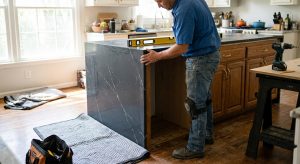
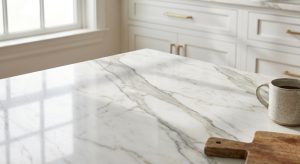
A waterfall countertop extends the surface material down the sides of your cabinetry or island, creating a continuous flow from the top of the counter to the floor. Instead of a traditional horizontal edge that stops abruptly, the material gently “cascades” over the sides. This design is increasingly used in contemporary spaces for its refined elegance—and because it brings practical advantages as well.
- Protecting cabinetry: By covering the sides of your island, you help shield them from daily wear and tear, such as accidental bumps, spills, or scrapes.
- Emphasizing focal points: Waterfall countertops naturally draw the eye, making them an ideal centerpiece in open-concept kitchens. This design can bring warmth or boldness when you choose colors and patterns that align with your overall décor.
- Encouraging long-term value: Many homeowners find that a waterfall design offers a unique selling point if they ever decide to move, signifying both style consciousness and quality craftsmanship.
According to industry experts, waterfall edges have evolved over at least the past decade, inspired by design movements like mid-century modern and Art Deco (BHG). Today, these countertops are a staple in modern and contemporary homes looking for functional elegance.
Compare popular materials
When selecting a waterfall countertop, one of the biggest factors is which material will serve as the “face” of your island or vanity. Each option has its own distinctive strengths, from easy upkeep to high durability and unique aesthetic aspects. Below, you will find an overview of several top choices.
Quartz
Thanks to its non-porous nature and large variety of colors, quartz has become a favorite for many homeowners seeking a low-maintenance solution (Caesarstone US). It resists stains and scratches, does not require sealing, and can be seamlessly cut for precisely matching veining.
- Key benefits: Stain resistance, minimal upkeep, wide color array
- Potential drawbacks: Does not tolerate extreme heat as well as granite; initial costs may be higher
- Good to know: It is one of the most common materials for waterfall edge designs, thanks to easy matching and molding capabilities. If you plan on a full waterfall quartz countertop installation, professional fabricators can ensure that mitered edges line up perfectly.
Granite
Granite is a long-standing natural stone favorite for its striking patterns and resilience. Each slab of granite carries unique veining, which means that your waterfall countertop is truly one of a kind. It can handle high heat, though it requires ongoing sealing to maintain its finish and protect against stains.
- Key benefits: Incredible durability, heat resistance, one-of-a-kind aesthetics
- Potential drawbacks: Porous, so it needs regular resealing; heavier slabs may increase installation complexity
- Good to know: If you are excited about the dramatic look of a cascading stone, a waterfall granite countertop installation can become a statement piece that stands out in your home.
Marble
Often synonymous with luxury, marble radiates elegance through its refined veining and rich textures (SK Stones USA). It is a timeless pick for kitchens, bathrooms, or accent islands. However, marble is relatively porous and may be prone to staining if spills are not promptly cleaned.
- Key benefits: Classic beauty, high-end appeal
- Potential drawbacks: More susceptible to etching, scratching, and staining; regular sealing is advised
- Good to know: A waterfall marble countertops installation adds a truly high-end look, but you must be ready to commit to the maintenance.
Quartzite
Quartzite is a natural stone, chemically distinct from engineered quartz, known for its dazzling patterns and durability. It can mimic many of marble’s striking veining patterns but with improved strength and scratch resistance. While quartzite is denser than marble, it still requires sealing.
- Key benefits: Stunning patterns, good durability
- Potential drawbacks: Higher cost than some alternatives, requires sealing
- Good to know: For the best of both natural beauty and robust performance, waterfall quartzite countertops can be an excellent compromise between quartz and marble.
Wood
While stone may be the first thought for a waterfall edge, wood can bring warmth and rustic flair into a modern design. It can also be more affordable initially than many natural stones. However, wood requires consistent sealing and refinishing to protect it from moisture and scratches.
- Key benefits: Cozy, natural ambiance; budget-friendly
- Potential drawbacks: Prone to scratches and water damage if not well-sealed; may need frequent resealing
- Good to know: Wood is typically used as a focal accent, complementing stone or quartz surfaces. If you go this route, look for a finish that is specifically formulated for high-moisture areas.
Concrete
Concrete opens doors to limitless customization. You can embed stones, glass, or other materials for a unique look, and you can choose from a wide palette of colors. It is popular in industrial or modern styles. However, cracking sometimes occurs if it is not poured or cured properly, and it typically requires sealing (European Granite Design).
- Key benefits: Highly customizable shape and coloring, perfect for modern designs
- Potential drawbacks: Requires expert installation; can develop hairline cracks over time
- Good to know: Concrete’s raw texture may add character to an otherwise understated space, especially if you appreciate an industrial-chic vibe.
Consider durability and upkeep
Opting for the right waterfall countertop material selection can be reassuring when you think about your future day-to-day experience. Different households have unique challenges—active families might need surfaces that resist spills and scratches, while low-traffic spaces can prioritize visual appeal.
- Porosity matters. Granite and marble each require sealing to curb stains, whereas quartz is naturally non-porous. Quartzite usually lands in between, needing some sealing but offering more density than marble.
- Consistent cleaning routine. Even low-maintenance options, like quartz or solid surfaces, benefit from a gentle wipe-down each day and occasional deep cleaning.
- Scratch and heat resistance. While granite and quartzite perform well under hot pans, quartz tends to be slightly less tolerant of high heat. Marble can etch easily if exposed to acidic spills or high temperatures.
No matter which option you select, caring for a waterfall edge is straightforward: you simply maintain the same cleaning steps you would for the main horizontal surface. Be mindful of drips or spills on the vertical panels. Because these surfaces wrap around face-level or waist-level areas, an occasional wipe can keep them looking pristine.
Plan your budget carefully
Before you commit to a certain material, it helps to map out your financial target. Waterfall countertops require more slabs (or more linear feet of material) than a traditional countertop, so you may pay extra for the vertical “waterfall” portion.
- Cost of materials: Stone slabs like quartz, granite, and marble can range from $40 to $100 per square foot, while custom fabrication work might add $2,000 for precise mitering (Caesarstone US).
- Labor expenses: Expect additional fees for the skill and time required in a seamless waterfall countertop installation. The mitered corners demand precise angles and alignment so the veining matches and the edges look sharp.
- Maintenance costs: Granite and marble require occasional sealing, which can cost a few hundred dollars each time. Quartz generally requires no sealing, which saves resources over many years.
If you want a detailed quote, a waterfall countertop cost estimate can help you balance the upfront investment with long-term maintenance. While the initial price can be steep, consider the longevity and beauty your new centerpiece can provide.
Embrace professional installation
A waterfall countertop often acts as a show-stopping element in your design. Because it is so visible, any miscalculation in measurements or cuts can be noticeable—or possibly compromise the countertop’s structure. That is why relying on an experienced contractor is vital.
- Precise measurements: Pros use specialized tools to capture the exact dimensions. You can book a waterfall countertop measurement service to ensure perfect fitting.
- Expert fabrication: Every waterfall edge needs a clean, mitered joint. Even small errors in cutting can lead to gaps where the two edges meet. Custom waterfall countertop fabrication ensures consistent veining and a strong seam.
- Secure installation: Marble and granite slabs, in particular, can be heavy. Professionals will check your cabinetry or island base to confirm it can safely support the weight. If necessary, they may reinforce the structure before placement.
Remember, the base cabinetry or island you use will determine how fluidly the waterfall surface integrates. This style of countertop can cover corners prone to wear, but if measurements are off by just a fraction of an inch, you could end up with unsightly seams. According to experts, precise alignment calls for specialized tools such as CNC laser cutters (BHG).
Ensure cohesive design
Your countertop’s job is not just to stand out, but also to blend seamlessly with the rest of your room’s aesthetic. That often means matching—or intentionally contrasting—colors, textures, and finishes throughout the entire space.
- Match veining or color. If you opt for granite, look for slabs that share similar patterns so that the top and sides flow naturally. For quartz, manufacturers like Caesarstone provide numerous colorways for a uniform look.
- Complement existing elements. Consider the color of your backsplash, floor, appliances, and kitchen cabinets. Sometimes a stark contrast can be dramatic in a modern space, while other times you might want a softer transition.
- Mind the edges. Edge profiles, such as a bevel or bullnose, can shift the visual weight of your island. A waterfall countertop edge profiling service can recommend options that accentuate your material choice.
If you have questions about balancing a waterfall countertop with matching features, you may also explore a waterfall countertop backsplash design that uses the same or complementary materials. This visual continuity promotes a polished, harmonious feel.
Maximize functionality
Beyond the striking appearance, you want a countertop that supports your everyday needs. Waterfall edges can offer surprising benefits, especially in busy areas.
- Outlets and utilities: Make sure you incorporate safe, discreet electrical outlets. Some homeowners choose to place them under the overhang or install flush receptacles on the vertical panels (BHG).
- Seating arrangements: If you want bar or island seating, plan for enough legroom. Overhang dimensions can vary between 10.5 inches and 18 inches, depending on comfort and usage (Caesarstone US).
- Protective covering: Waterfall counters protect your cabinetry sides from dings and moisture. That support is particularly helpful if you have a high-traffic household or frequently entertain large groups.
By focusing on functionality, your waterfall island or vanity can support a host of everyday activities, from family mealtime to social gatherings. Key steps like ensuring the right overhang and well-placed lighting can elevate your space’s utility while preserving the striking waterfall effect.
Focus on your environment
Each home has its own atmosphere, just as each individual has unique preferences and challenges. Do you have pets or young children who might bump into corners? Do you host large dinner parties? Or perhaps you want a sleek design to match a minimalist setup.
- Active households: Non-porous materials can minimize anxiety about spills or stains. Consider quartz or a durable solid surface. This approach helps you keep your kitchen user-friendly with less maintenance.
- Professional or commercial spaces: A more dramatic, show-stopping surface—like high-quality marble or granite—can add sophistication. When evaluating business settings, a commercial waterfall countertop installation may help you stand out in front of clients and guests.
- Quiet or low-traffic homes: You could choose a more delicate material, like marble, and appreciate its beauty without worrying about frequent scrapes or splashes.
- Ease of refinishing: If you foresee updates down the line, certain materials lend themselves to refinishing, such as solid surfaces. A waterfall countertop refinishing service helps maintain your counter’s fresh look if wear sets in over time.
No matter the ecosystem in your home, the goal is to feel comfortable and confident with your choice. Whether that means embracing a rustic wood aesthetic or a seamless quartz synergy, making an informed decision ensures long-term satisfaction.
Make an informed choice
When you bring all these considerations together—materials, budget, upkeep, style, and installation—it becomes clear that the selection phase sets the stage for a countertop that enriches your space for years to come.
If you are uncertain about the best route, it helps to schedule a waterfall countertop project consultation. Professionals can guide you through any final questions, address your concerns about timelines, or discuss model kitchens you may want to replicate. By focusing on an approach that supports both practicality and creativity, you can enjoy the look and resilience of a well-crafted waterfall counter.
Below, you will find answers to several of the most common questions people have when researching these countertops. Each answer offers reassurance on the unique challenges you might face and the supportive resources that can ease the way.
Frequently asked questions
-
What is a waterfall countertop, and how does it differ from standard countertops?
In a waterfall design, the countertop material continues vertically down the sides, rather than ending at the edge. This helps protect the cabinetry, emphasizes the counter as a focal point, and creates a sleek modern silhouette. Standard countertops simply extend to the edge of the cabinetry and stop. -
Which material is best for a waterfall countertop: quartz, granite, or marble?
The “best” option depends on your goals. Quartz is typically low-maintenance and ideal for busy kitchens. Granite provides a natural, durable look with unique veining. Marble adds classic luxury but needs more frequent upkeep. For a balance of practicality and aesthetics, quartzite is also a strong contender. Always weigh factors like your climate, usage habits, and design preferences. If you need help narrowing it down, a waterfall countertop measurement service might address any logistic concerns. -
Does a waterfall design require special installation steps?
Yes. Achieving a seamless waterfall edge demands accurate mitering and alignment, which is why hiring a professional is crucial. Specialists often use advanced cutting techniques (such as CNC laser cutters) to align veining continuously around corners. A custom waterfall countertop fabrication service can help ensure a cutting edge that meets your specific needs. -
Will my waterfall countertop be difficult to maintain?
Maintenance depends on the material. Quartz and solid surfaces generally only need daily cleaning with mild soap and water, whereas granite, marble, or quartzite may need periodic sealing. Always follow the manufacturer’s guidelines to keep surfaces strong and stain-free. A waterfall countertop care maintenance plan can make upkeep as smooth as possible. -
How can I get an accurate cost estimate for a waterfall countertop project?
Factors like square footage, type of stone, and labor all influence cost. For instance, granite slabs range from $40 to $100 per square foot, while extra fabrication fees might total up to $2,000 (Caesarstone US). Your best bet is to request an on-site waterfall countertop cost estimate. This helps you see how your floor plan, design details, and material choice will shape the final bill.
By taking a thorough approach to waterfall countertop material selection, you can achieve a result that suits your style, your home’s unique dynamic, and your long-term goals. From understanding which stone aligns with your maintenance preference to reaching out for professional measurements, each step brings clarity and confidence. Choosing a waterfall countertop means embracing a bold, modern design that harmonizes form and function in a supportive space—one that is ready for celebrations, quiet mornings, and everyday life alike.