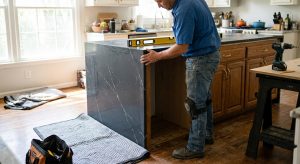
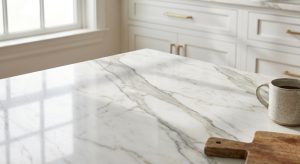
In 2025, many homeowners are looking to elevate their spaces with a residential waterfall countertop installation. By creating a continuous flow of stone or solid-surface materials from the countertop down the sides of an island or vanity, you achieve a sleek, modern aesthetic that transforms your home. Whether you are drawn to the durability of granite, the timeless beauty of marble, or the practicality of quartz, this style enhances any kitchen or bathroom. Below, you will find insights into key considerations for choosing waterfall countertops, tips for budget-conscious planning, guidance on the installation process, and more. By the end, you will see why you or a loved one might find waterfall countertops a perfect fit for all premium projects.
Discover the appeal of waterfall countertops
Waterfall countertops continue to grow in popularity, offering a captivating and luxurious finish. Instead of ending abruptly at the countertop’s edge, the material flows seamlessly, creating the impression of a solid block that extends to the floor. This effect is both visually striking and highly functional, serving as a protective shield for your cabinetry while making a bold style statement.
What sets waterfall apart
Classic countertop layouts often terminate at the edge of a cabinet or island. In contrast, waterfall designs wrap around corners, emphasizing natural veining in stone countertops such as marble or granite. According to Aqua Kitchen, a waterfall island can resemble an actual waterfall, where veins and patterns trickle over the edge to the ground. For individuals seeking an artistic focal point, this seamless continuation of surfaces can be truly breathtaking. It also protects corners from bumps, spills, and everyday wear and tear, contributing to a longer-lasting installation.
Growing trend in modern homes
Waterfall islands first appeared in upscale homes in the early 2000s and swiftly became a highlight of contemporary design. Demand has continued to climb as families and design enthusiasts embrace the minimalistic lines and sophisticated look. If you plan a residential waterfall countertop installation with an eye toward modern appeal, you are in step with a highly favored trend. While some believe these statement pieces only belong in large or open-concept kitchens, they can also enliven smaller spaces. The uninterrupted cascade of stone creates the illusion of greater spaciousness, reflecting light and opening up even compact kitchens.
Explore your material choices
One of the first decisions you make during a residential waterfall countertop installation is determining which material best suits your taste, budget, and lifestyle. Because the countertop will also become a vertical surface, it should be durable enough for everyday life while preserving and showcasing its beauty. Below are some of the options frequently chosen for waterfall countertops.
Quartz for everyday practicality
Quartz has become a go-to material for waterfall designs, thanks to its excellent stain resistance, everyday durability, and relatively straightforward maintenance requirements. According to Caesarstone US, quartz is more practical for day-to-day life than natural stone because it requires no periodic sealing. Engineered quartz is composed of about 90-95% ground quartz and 5-10% resins and pigments, creating a non-porous surface for heightened resistance to moisture and stains. Costs vary between $40 and $100 per square foot for the slab, with installation adding about $100 per square foot. If you wish to explore a specialized approach, you might consider referring to waterfall quartz countertop installation for more details on a quartz-specific approach.
Marble for timeless elegance
Marble is synonymous with luxury and elegance, making it a popular statement material for waterfall surfaces. Veining patterns often take center stage when the marble extends over the island’s edge, creating a dramatic focal point. While marble is more porous than quartz, you can minimize stains by scheduling regular resealing. According to Natural Stone City, marble’s ability to offer a captivating flow is one of its greatest appeals. When you choose a marble waterfall design, consider how the veining aligns at the seams to preserve visual continuity. Discover more details to inspire your project at waterfall marble countertops.
Granite for durability and style
Granite is another excellent contender for a residential waterfall countertop installation, offering a natural look with unique patterns. Granite is also known for its resilience: it resists heat well and generally stands up to scratching. Some granite types feature large, dramatic patterns that, when arranged in a waterfall configuration, ensure that veins continue uninterrupted. This can result in a breathtaking focal point in your kitchen or bathroom. If you prefer to fully research a granite-focused approach, consider visiting waterfall granite countertop installation to understand the intricacies of working with this natural stone.
Solid surfaces for modern minimalism
In addition to stone selections, solid-surface alternatives—like acrylic-based composites—are often praised for easy maintenance and sleek, uniform finishes. Although certain solid-surface materials may not replicate the unmistakable veining of marble or granite, these surfaces can still create clean waterfalls that look modern and consistent. If you enjoy simpler and more minimalistic aesthetics, acrylic-based countertops (or other solid surfaces) may be a suitable way to achieve that continuous waterfall flow without the upkeep natural stone can require—particularly in households with children or frequent cooking activities.
Plan your residential installation
Although a waterfall countertop can significantly enhance your space, installing a new countertop is a substantial undertaking that calls for thoughtful preparation. From budgeting to selecting a qualified installer, each step shapes the final result and your overall satisfaction.
Consider key design aspects
Start by envisioning how you want your countertop to appear and function. Think about room layout, lighting, complementary cabinet finishes, and whether you plan to incorporate practical features like seating along the waterfall edge. Determining the right overhang matters too. Homeowners who wish to add bar seating may aim for an overhang between 10.5 and 18 inches, per findings from Caesarstone US. For a smaller kitchen or occasional seating, a modest overhang is enough, but if you expect frequent gatherings, a larger overhang may boost comfort.
Budgeting for waterfall countertops
Although the cost of slab materials approach $75 to $120 per square foot for marble, granite, or quartz, the fabrication and installation expenses often run higher than for a standard countertop. Mitered edges, precision alignment, and CNC fabrication can add $1,000–$2,000 to your project, according to research from Bob Vila. The structural complexity and craftsmanship needed make a waterfall installation a premium choice. Still, many homeowners feel the striking result justifies the investment. Should you need a closer look at potential expenses, you can explore our waterfall countertop cost estimate resources to plan effectively.
Choose a reliable contractor
Creating a flawless waterfall effect requires meticulous measuring, templating, and edge mitering. Sourcing a qualified, experienced contractor can make or break your outcome. Look for professionals who provide references, readily share examples of their previous waterfall projects, and use high-quality tools (like CNC machines) for precision. If you want a more comprehensive service that includes design advice, measuring, and fabrication of your waterfall countertop, you might explore our custom waterfall countertop fabrication page. It is also wise to compare at least three bids from different contractors. When each contractor personally measures your space, you can feel confident about accuracy and pricing transparency.
Follow installation steps carefully
The waterfall effect is achieved through exacting work, typically involving measuring, templating, edge mitering, fabrication, and finishing. If you plan a do-it-yourself approach, be aware that professional assistance is strongly recommended for many of these steps. Here is a closer look at each critical phase that ensures a reliable and visually seamless installation.
Measuring and templating
Accurate measurements are the cornerstone of any successful countertop project, especially a waterfall installation that continues material down the side. You or your contractor must account for factors like cabinet height, overhang preferences, appliance placement, and adjacent walls. During templating, a precise outline or digital model of your countertop is created. This solid guide ensures each slab is cut to the correct dimensions, angles, and thickness. If you need professional assistance, consider our waterfall countertop measurement service to bypass guesswork and save time. Without proper measuring and templating, costly mistakes can hinder your progress and compromise the seamless look.
Edge mitering for a smooth cascade
One of the biggest technical challenges in a residential waterfall countertop installation is edge mitering. In a standard countertop, edges can be laminated or rounded with a less visible seam. A waterfall installation demands creating a continuous flow using 45-degree angles where the horizontal surface meets the vertical surface. Achieving smooth seams requires professional gear and knowledge. For more on this essential detail, take a look at waterfall countertop edge mitering. Proper mitering ensures that the veins, colors, or patterns align elegantly, resulting in a near-invisible transition from the top to the side of the countertop.
Fabrication and assembly
Once your slab has been measured and the edges have been mitered, the next phase is fabrication and assembly. A reliable fabricator uses CNC machinery or other advanced cutting equipment to shape your chosen material precisely. Trained professionals double-check measurements for alignment before applying adhesive and reinforcement. For heavy or expansive slabs like marble or granite, multiple people may be needed to position each piece correctly—a delicate process since any misstep could compromise the seam. Employing professionals with stone fabrication expertise helps guarantee a snug and sturdy fit. If you are balancing a busy schedule or prefer an all-in-one service, visit our seamless waterfall countertop installation page for guidance on achieving a refined result without undue stress.
Sealing and finishing
After the slabs are in place, finalization involves sealing and polishing your countertop. Natural stone variants, including marble and granite, often require professional sealing to reduce porosity and help repel water, grease, and other contaminants. As Caesarstone US points out, quartz might not need sealing, but inspecting the seams, edges, and underside for any finishing touches is still recommended. Polishing or buffing the surface can enhance shine and bring out the depth of veins or flecks in the stone. Once fully sealed, your new waterfall countertop is almost ready for everyday use.
Maintain and care for longevity
A waterfall countertop instantly elevates any space, but to keep it looking pristine, you must follow a consistent care regimen. Depending on whether you installed quartz, granite, marble, or a solid surface, certain upkeep habits ensure a longer life and help preserve that uninterrupted waterfall flow.
Daily cleaning tips
Use mild soap, warm water, or a gentle surface cleaner for daily cleaning. Steer clear of abrasive pads or acidic cleaning agents that could damage your finish. For quartz, you can generally rely on minimal maintenance. For granite and marble, wipe up spills promptly to avoid staining. Some homeowners prefer specific, stone-safe cleaners, though mild soap is usually sufficient. If you need additional pointers, consult waterfall countertop care maintenance, where you will find a helpful list of recommended products and techniques.
Periodic resealing for natural stones
Granite or marble countertops often require resealing at least once or twice a year to maintain a protective layer. According to Caesarstone US, failing to protect more porous stones can leave them susceptible to moisture and staining. The process typically involves cleaning the surface, then applying a high-quality sealer that seeps into the stone and forms a barrier. While the cost of resealing can vary, it is usually a fraction of what you originally spent, and it prolongs your countertop’s stunning appearance.
Repairs and touch-ups
Minor scratches or dings can occur over time, particularly along edges or seams. Most of these can often be fixed with a stone repair kit or by a professional who can buff out imperfections and apply color-matching epoxy. In more severe cases, you could explore a waterfall countertop refinishing service for a complete rejuvenation. Regular inspection helps you catch issues early and keep them from intensifying into expensive repairs.
Consider essential design enhancements
If you have already committed to a residential waterfall countertop installation, exploring add-ons can boost both functionality and visual impact. Many homeowners turn their island into a central hub by incorporating storage, seating, or extra design features like a complementary backsplash.
Integrating backlit features or backsplashes
Some people highlight the vertical fall of their countertop with backlighting, especially if they have chosen translucent stone. Others coordinate a similar material for the backsplash, creating a wraparound effect. If you would like suggestions for cohesive backsplash styles, see our waterfall countertop backsplash design for creative fusion in your kitchen.
Coordinating with vanity upgrades
A waterfall design works well beyond kitchens. In bathrooms, a sleek vanity that continues its pattern to the floor can dramatically influence the perception of space and luxury. The result: a spa-like feel that soothes and impresses at first glance. If this idea sparks your interest, our waterfall vanity countertop installation resources might help you decide whether a similar concept suits your bathroom’s dimensions and style. Coordinating with a bathroom remodel can simplify scheduling, reduce total labor costs, and achieve a unified look.
Checking timeline management
Replacement or first-time installation of a countertop requires balancing many factors—material availability, fabrication lead times, shipping, contractor schedules, and design approvals. While smaller countertops, such as a bathroom vanity, may only take a day or two, a larger kitchen project can extend over several days. You may want to map out each step to minimize disruptions. If you are curious about how to plan everything so your life can continue with minimal stress, see our waterfall countertop timeline management guidance.
Enjoy the impact of a waterfall countertop
A residential waterfall countertop installation is not just an aesthetic focal point—it can significantly boost your home’s value and serve as a functional asset for events and everyday life. The continuous vertical flow of materials adds a feeling of sophistication, uplifting the entire room’s atmosphere. Whether you settle on quartz, marble, granite, or another option, partnering with a skilled contractor and properly caring for your countertop ensures that it remains a source of enjoyment for years to come.
Emphasize the transformative nature
Even if your kitchen or bathroom seems ordinary today, installing a waterfall countertop can create a feeling of spaciousness by drawing the eye downward. For those who find joy in hosting family members or friends, an expansive waterfall island doubles as a natural gathering spot. Picture a family meal or a holiday celebration where everything is staged around a centerpiece that blends function and flair. The psychological benefit of an elegant space can create a calming, empowering atmosphere, reminding you that thoughtful design can transform how you experience your home.
Reinforce long-term benefits
Properly maintained, a waterfall countertop stands the test of time, even enduring busy households, daily meal prep, or active pets. According to Natural Stone City, investing in premium materials and professional installation often pays off in heightened resale value. Potential buyers might see the waterfall island as a high-end feature that sets your property apart. If you are weighing whether the up-front costs and effort are worthwhile, consider the lasting benefits of improved aesthetics, potential property appreciation, and the daily convenience of working on a durable, eye-catching surface.
Frequently asked questions
Below are some of the most common questions regarding residential waterfall countertop installation. This section can help you clarify important details before getting started.
-
How long does a typical installation take?
The timeline varies depending on factors like the size of your project, choice of materials, and the intricacy of the design. Small vanities may only take one to two days once materials arrive, while larger waterfall kitchen islands can require several days. For further insight, you can explore waterfall countertop timeline management. -
What is the best material for a waterfall countertop?
It depends on your aesthetic preferences, budget, and maintenance needs. Quartz is popular for its low-maintenance qualities, granite is valued for durability, and marble offers timeless elegance. You can learn more about choosing among these materials at waterfall countertop material selection. -
Is a waterfall countertop suitable for small kitchens?
Absolutely. A waterfall design in a compact kitchen can create the illusion of more space and make a striking focal point. The sleek continuity draws attention downward, potentially making the room feel larger and well-coordinated. -
Do seams show on a waterfall edge?
Skilled fabricators can minimize the appearance of seams by carefully matching veining patterns and using a precise miter joint. The goal is to achieve a near-invisible seam from the top surface down the vertical side. For professional assistance, investigate waterfall countertop edge profiling and how it can contribute to a seamless finish. -
Are waterfall countertops child- and pet-friendly?
Waterfall edges can actually be safer for children because they lack the sharp corners of conventional designs. Still, fast cleaning and prompt wiping of spills is essential, especially if you opt for a more porous stone. Quartz is a good choice if anyone in your household is prone to accidental spills or rough contact with surfaces.
By incorporating a well-planned, carefully executed residential waterfall countertop installation, you or your loved ones can enjoy premium materials such as quartz, marble, granite, or solid-surface varieties in a format that seamlessly marries style and functionality. With a supportive approach—and a contractor who understands your unique preferences—your waterfall countertop can become a symbol of lasting beauty and efficient design, empowering you to spend more time enjoying your home instead of worrying about constant repairs or remodeling. Ultimately, this dynamic blend of sleek form, premium materials, and thoughtful installation proves why choosing a waterfall countertop may be the perfect solution for your next renovation project.