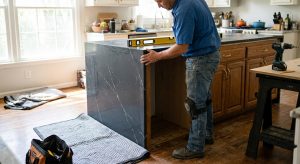
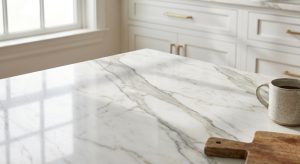
Understand the waterfall bathroom vanity
If you are looking to create a unique focal point in your bathroom, a waterfall bathroom vanity can be an excellent choice. This design is increasingly popular due to its modern elegance and the spa-like ambiance it brings to a space. Unlike a traditional bathroom vanity whose edges are clearly defined and separated from the adjacent surfaces, a waterfall design seamlessly extends the countertop material down the sides. As a result, the vanity appears to flow gracefully toward the floor, offering a sleek, cohesive look.
When you embrace this concept, you do more than just install a functional fixture. You set the tone for the entire bathroom, transforming it into a relaxing retreat. In many ways, a waterfall bathroom vanity waterfall design aligns with the soothing, cascading effect you might see in nature, carrying that sense of calm into your daily routine. Whether you are upgrading your current bathroom or starting from scratch, this style enhances both aesthetics and functionality.
One advantage of this approach is its versatility. A waterfall vanity can work just as beautifully with quartz as it can with marble, granite, or a solid-surface material. Furthermore, you can incorporate a waterfall faucet to strengthen the visual cohesiveness. In such setups, water flows gently in a mini cascade, creating a relaxing experience each time you use the sink. If you or a loved one are keen on infusing luxurious elements into your home, a waterfall installation can be a rewarding choice that balances form, function, and comfort.
Beyond its distinctive appearance, convenience is a key factor to consider. A waterfall vanity’s continuous edges can make cleaning simpler. Reduced seams help limit the accumulation of grime, making your vanity more hygienic over time. These tight, flowing edges are well-suited for a range of interior design approaches, whether you favor a minimalist aesthetic, a farmhouse look, or a modern style with sleek lines. Additionally, because the countertop wraps around the sides, there is a cohesive visual effect that helps small bathrooms appear larger than they actually are. If you desire a design that marries practicality and eye-catching style, this could be an ideal solution.
Consider the design benefits
Investing in a waterfall bathroom vanity offers a variety of benefits that go beyond simple good looks. The aesthetics are certainly a driving factor. Waterfall edges create a clean, unobstructed profile that highlights the chosen countertop material. Whether you opt for quartz, marble, granite, or a solid surface, a waterfall vanity accentuates the natural patterns or subtle hues within the slab, enveloping the eye in a unified flow from sink to floor. This smooth transition between horizontal and vertical planes lends an air of sophistication every time you enter the space.
Another key benefit revolves around the calming effect of a waterfall design. According to research by RBROHANT, waterfall fixtures mimic the natural flow of water, helping to create a soothing, spa-like atmosphere. Unlike a normal faucet’s straight stream, a waterfall faucet can flow more gently, sometimes resulting in less noise, which can be a subtle but notable improvement for your morning or bedtime routines. Whether you are washing your hands, brushing your teeth, or simply rinsing your face, the relaxing effect of gently cascading water may help set a peaceful tone.
Variety in style is another perk. Not all waterfall vanities or faucets look the same. You can choose from different finishes, shapes, and sizes to best fit your bathroom’s dimensions and your personal taste. Options range from ultra-modern glass waterfall faucet designs to more rustic hammered-metal styles. If you have always favored a hint of luxury in your décor, a waterfall approach might be just the finishing touch you need.
In addition, hygiene and cleanliness can be improved thanks to simplified lines and fewer corners. The continuous flow of surface material tends to seal off places where dust or soap scum might accumulate. You might find that your vanity looks fresh for longer periods, reducing the time you need to spend scrubbing or wiping down edges.
Finally, you have the freedom to unify or contrast your waterfall vanity with the rest of your bathroom. You could match the vanity top with the same stone used for your floors or shower walls, creating a seamless effect. Alternatively, you can contrast materials in the vanity and the surrounding area for a bolder, contemporary look. This flexibility makes it easier to adapt a waterfall design to nearly any taste, from classic to eclectic, ensuring your bathroom truly reflects your vision.
Compare popular countertop materials
When you decide to install a waterfall vanity, one of the most important decisions you will face is choosing the type of countertop material. Since the countertop will not only be horizontal but also extend vertically, it is crucial to select a surface that is visually appealing, durable, and easy to maintain.
-
Quartz
Quartz is an increasingly popular choice for waterfall bathroom vanity installations because of its ease of maintenance. Engineered quartz typically is non-porous, meaning it resists stains, bacteria, and moisture penetration. This attribute is particularly valuable in the bathroom, where surfaces often come into contact with water, soap, and cosmetics. Quartz also presents a wide variety of colors and patterns, so you can opt for a bold statement piece or a subtle, veined design reminiscent of natural stone.
If you want to explore more about choosing and installing quartz materials, you might find it useful to consider a waterfall countertop material selection service. -
Marble
If you hope to impart a timeless, classic feel, marble is a go-to option. Renowned for its distinctive veining and luxurious finish, marble can be an eye-catching addition to a waterfall vanity. The main caveat is maintenance. Marble is more porous than quartz, meaning it can absorb liquids and is susceptible to etching from acidic products. Nonetheless, if you do not mind the extra care, marble can offer an unmatched level of sophistication.
For further discussion on installing marble surfaces, you could look into waterfall marble countertops. -
Granite
Granite is another natural stone that boasts durability and varied patterns. It tends to be slightly more resilient than marble in resisting scratches and stains, though sealing is still highly recommended. The crystalline patterns in granite draw the eye, and in a waterfall vanity setup, these patterns flow continuously along the sides. Many homeowners enjoy granite for its organic texture and relatively straightforward upkeep compared to softer stones.
If you lean toward a groundwater aesthetic or a darker shade to anchor your bathroom, granite may be a fitting alternative. You can find specialized services tailored to granite at waterfall granite countertop installation. -
Solid Surface
Solid-surface materials, like acrylic or resin-based composites, are becoming increasingly popular for waterfall projects. They provide a consistent color throughout and can be molded seamlessly. This versatility ensures that you avoid visible seams on corners, making the entire surface appear as a single, unbroken piece. Solid-surface countertops can also be refinished if scratches occur, prolonging their lifespan.
If you aim for a contemporary, uniform look, a solid-surface waterfall vanity might be an attractive choice. It is also worth noting that these materials are often easier to repair or refinish, ensuring a longer-lasting investment.
Ultimately, your decision depends on your style preference, budget, and willingness to maintain the chosen surface. Each material has a distinct visual appeal. If you want the ultimate convenience, you might prefer quartz or solid-surface materials. However, if you adore natural variation and are willing to conduct routine sealing, granite or marble can be deeply rewarding. It can be beneficial to speak with professionals or request product samples to see how each material looks and feels in person before finalizing your choice.
Evaluate the pros and cons
Adopting a waterfall bathroom vanity offers multiple benefits, but it also has potential drawbacks that are worth examining. Understanding the upsides and downsides will ensure that you or a loved one can make an informed decision.
Pros:
-
Luxurious Look
A waterfall vanity radiates elegance. By creating a continuous surface from top to floor, you highlight the beauty of the countertop material. This can give your bathroom an instant upgrade that feels both contemporary and upscale. -
Improved Hygiene
Because many waterfall surfaces have fewer joints, it can be easier to clean. The seamless design helps keep dust, grime, and moisture from collecting in hidden crevices. This can be a plus if you value a fresh-looking bathroom with minimal effort. -
Variety of Material Choices
From quartz and marble to granite and solid-surface materials, the possibilities are vast. You have the freedom to choose a vanity with subtle patterns, swirling veins, or vibrant colors, ensuring the final design aligns with your personal taste. -
Relaxing Ambiance
According to RBROHANT, waterfall fixtures mirror the natural flow of water, potentially reducing noise and creating a spa-like atmosphere. If you also install a waterfall faucet, you may find a greater sense of tranquility whenever you use the sink. -
Enhanced Property Value
A well-executed waterfall vanity can appeal to potential buyers if you plan to sell your home. Unique features often make a property stand out, and quality stone or engineered surfaces reflect a high level of craftsmanship.
Cons:
-
Higher Costs
Because more material is required to extend the countertop vertically, you will likely pay more than you would for a standard vanity. High-end stone or engineered surfaces can significantly raise the total project budget. -
Maintenance Requirements
Materials like marble may require periodic resealing, and daily upkeep is necessary if you want to maintain a flawless appearance. Even quartz or granite may need some care to preserve their original sheen. -
Water Pressure Concerns
Some waterfall faucets are designed to flow gently, which can slow water pressure compared to traditional faucets. While many people enjoy this softer flow, it can be a downside if you prefer a more forceful stream of water. -
Limited Traditional Compatibility
While many styles suit waterfall vanities, a classical or highly ornate bathroom might not mesh well with a sleek, modern waterfall edge. If you prefer a rustic or vintage look, you may have to carefully choose materials and fixtures that strike the right balance. -
Skilled Installation Required
Not all contractors are experienced in building or installing waterfall edges. You will likely need a specialist for accurate measurements, mitered edges, and precise fabrication. Partnering with a professional acquainted with solutions like waterfall vanity countertop installation is recommended for achieving a flawless result.
By weighing these pros and cons, you can better determine whether a waterfall vanity matches your preferences, budget, and maintenance habits. If the look and experience are high on your priority list, the investment can be truly worthwhile. However, if you need a highly budget-friendly or time-efficient solution, a simpler design may be more practical. Either way, you can always seek expert advice and take the time to explore various materials and styles before committing.
Installation tips and considerations
Installing a waterfall bathroom vanity is best done in partnership with a skilled professional, especially if you are new to the concept. The intricacies of measuring, cutting, and sealing can be daunting if you attempt to do it yourself, and any small mistake in angles or seams might cause misalignments that become highly visible. Here are some points to consider if you plan on embarking on this transformation:
-
Accurate Measurements
Before fabricating the vanity, it is vital to measure the bathroom layout precisely. Even slight deviations can result in gaps or overhangs that ruin the seamless effect. Enlisting a waterfall countertop measurement service can ensure you have the correct dimensions. If you prefer to manage it yourself, using high-quality measuring tools and cross-referencing your results multiple times is critical. -
Material Selection
Each material has its characteristics when it comes to cutting, polishing, and finishing. Natural stones like granite and marble can vary in density, vein directions, and thickness. Engineered quartz or solid-surface materials usually have more predictable properties, but still require precision in cutting for a perfect waterfall edge. Often, it helps to consult a waterfall countertop material selection specialist to narrow down your options. -
Mitered Joints
A hallmark of high-end waterfall vanities is the near-invisible mitered joint, where the horizontal and vertical slabs meet. Achieving a smooth transition requires careful angle cuts and an installer experienced in waterfall countertop edge mitering. Improperly aligned joints or visible seams can diminish the breathtaking effect. -
Reinforcement and Bracing
Depending on your chosen material, it may be necessary to provide extra support beneath the vanity. This is particularly true if the slab is heavy or if you opt for a floating installation. Sturdy wall studs or specialized brackets might be required. Any floating vanity also needs to be installed at the correct height to ensure ergonomic comfort and code compliance. -
Plumbing Adjustments
Waterfall restorations sometimes involve moving or adapting existing plumbing. If you are upgrading from a standard vanity, you may not need extensive changes, but it is still wise to prepare. You might also consider using a waterfall-style faucet for a cohesive look, ensuring that the plumbing lines are compatible with gentler water flow. -
Finishing and Sealing
After installing the main structure, an installer typically polishes the edges to blend them seamlessly together. Materials like granite or marble need sealing to protect against moisture and stains. Engineered quartz often does not require sealing, but an occasional polishing or wipe-down with a gentle cleaner preserves its shine. Investigate professional waterfall countertop sealing service options for optimal results. -
Post-Installation Maintenance
Once your waterfall vanity is in place, you will want to maintain its appearance. Regularly cleaning the surfaces using mild cleansers, soft towels, and non-abrasive sponges will help. If you notice scuffs or minor damage, you can often contact experts for a waterfall countertop refinishing service. Addressing issues promptly will extend the life of your new vanity.
In short, a successful waterfall vanity renovation leaves little margin for error, but the payoff can be remarkable. If you are aiming for an eye-catching statement piece, do not hesitate to work with professionals who specialize in custom waterfall countertop fabrication. A blend of diligent planning and expert execution can transform your bathroom into a tranquil haven.
Explore design options and popular examples
When you think of a waterfall vanity, you might imagine a particular style, but in reality, you have numerous design possibilities. The chosen style can revolve around modern minimalism, rustic charm, or even transitional aesthetics that blend classic and contemporary elements. Below are some design angles to consider, followed by a few popular examples that showcase how flexible a waterfall bathroom vanity setup can be.
Modern and Minimalist
If your goal is a sleek, clutter-free bathroom, a modern aesthetic pairs perfectly with a waterfall edge. Plain white quartz with minimal veins or an engineered stone with a solid color can highlight the flowing lines. You might select a floating vanity, leaving open space beneath to simplify cleaning and give the illusion of a larger floor area.
- Floating designs also work well for universal accessibility, as noted by Giving Tree Home. They make room for a foot basin or small storage baskets while still displaying that continuous, waterfall-inspired edge.
Rustic or Transitional
If you prefer something warmer, consider using a wood-veneered vanity base complemented by a natural or engineered stone that’s rich in texture. Some homeowners enjoy mixing a gentle waterfall quartz countertop with a wood foundation to create a balanced, transitional look. The smooth vertical drop of the countertop contrasts beautifully with the organic feel of wood grain or reclaimed barn-board.
Classic Luxury
For a timeless, classic bathroom, a marble waterfall vanity is hard to beat. Marble’s natural veining can be “book-matched,” meaning the patterns on the horizontal and vertical slabs mirror each other for a stunning visual effect. Brass or gold-toned hardware can further elevate this classic theme, tying together marble’s elegance with a refined sense of style.
Popular Examples
-
Akalya 42” Waterfall Bathroom Vanity
As found on Wayfair, the Akalya 42” vanity incorporates an elegant marble waterfall countertop and gold-finished hardware. Rated at 4.8 out of 5 stars, it exudes luxury while maintaining practical features like soft-close drawers. -
Reajean 60″ Single Vanity
With a 4.9 rating, this vanity offers a chic micro shaker profile and a Carrara white engineered stone top. The wider size fits perfectly in more spacious bathrooms, providing ample storage and a seamless waterfall effect. -
Curiel 36” Single Bathroom Vanity
Garnering a 4.7 rating from 131 votes, this design features white engineered stone and a soft-close drawer beneath. Ideal for smaller bathrooms, it merges convenience with a crisp, classic waterfall look. -
Liljan 30” Wall-Mounted Vanity
For those seeking a compact, floating setup, the Liljan 30” has a 4.7 rating. It includes a rustic base that contrasts tastefully with an Arabescato engineered stone top, marrying both modern and vintage elements. -
Bilroy Egremt 30” Single Bathroom Vanity
Receiving 4.8 out of 5 stars, this vanity embraces a fluted design on its engineered stone countertop and has brushed bronze hardware. Its two soft-close drawers make organization simple while showcasing the waterfall profile’s sculptural quality.
You may also explore the Kitchen Bath Collection brand’s Palisade series, ranging from 36 inches to 72 inches in width. Each Palisade vanity offers an engineered marble top that cascades down the sides, with prices varying by size. Whether you are drawn to a small, subtle waterfall edge or a larger double-sink setup, you have plenty of options to find the model that fits your space and personal style.
FAQ about waterfall bathroom vanity
Here are five common questions people often ask about installing and maintaining a waterfall bathroom vanity, along with straightforward answers to guide your decision-making.
-
How much does a waterfall bathroom vanity cost?
The cost varies depending on factors like material, size, and labor. Waterfall vanities generally require extra material for the vertical drop, which can increase the price by several hundred dollars or more compared to standard vanities. A popular model might range from around $1,500 for a compact, single-sink design up to $2,200 or more for larger double-sink setups with premium marble or granite. -
Are waterfall faucets compatible with any vanity?
Typically, yes. Waterfall faucets just require the correct sink or countertop holes and compatible plumbing. However, you will want to confirm that the vanity has an adequate platform to support the faucet’s extended spout. Reduced water pressure may be a consideration if you prefer a stronger stream, but for many, the soothing flow is worth the trade-off. -
How do I maintain a waterfall vanity over time?
Maintenance depends on the countertop material. Quartz and other engineered stones are generally low-maintenance and only need routine cleaning with mild soap and water. Natural stones like marble and granite often require periodic sealing. Regardless of material, wipe away spills promptly to avoid staining, and consider a waterfall countertop care maintenance plan for long-term upkeep. -
Can I install a waterfall vanity myself?
It’s possible, but difficult if you’re not experienced with precise measuring, cutting, and joining of vertical and horizontal stone pieces. Achieving a perfect mitered edge and a seamless fit usually demands professional skills. For best results, consider experts who specialize in waterfall vanity countertop installation or have experience with custom stone fabrication. -
Do waterfall vanities offer enough storage?
Storage capacity can vary widely based on design. Some waterfall vanities prioritize aesthetic impact, leaving less room for cabinets or drawers. Others incorporate spacious storage while maintaining the waterfall edge along the sides. When shopping, evaluate both the visual appeal and the practicality to ensure the vanity meets your needs.
Final thoughts and next steps
Selecting a waterfall bathroom vanity can transform an ordinary bathroom into a personal sanctuary. These vanities are visually compelling, capable of showcasing your chosen material’s natural beauty as it cascades from the top to the floor. Beyond the aesthetic impact, when paired with a waterfall faucet, you can create a calming environment that enriches your daily routine. If you or a loved one want a bathroom design that stands out and simultaneously supports a soothing ambiance, embracing the waterfall concept may be a perfect fit.
Regardless of which material you choose, it is essential to partner with skilled professionals. From initial consultation to final installation, attention to detail is paramount in achieving the smooth edges and polished finish that define a waterfall vanity. Take time to evaluate each step, from waterfall countertop templating and waterfall countertop remodeling to final sealing. Ask about recommended care routines, so you can enjoy your vanity’s sleek elegance for years to come.
As a final note, waterfall designs are not confined to bathrooms alone. If you are also looking to upgrade other spaces, such as kitchen islands, you could consider a stone waterfall kitchen island. This modern approach extends the same sense of continuity and craftsmanship to the broader home environment. Whether you envision a unifying theme across different rooms or just want a standout feature in your bathroom, the waterfall concept offers a timeless combination of form and function.
By weighing the benefits, comparing materials, and understanding the advanced installation methods involved, you place yourself in a position to make the best decision for you and your home. With the right expertise and planning, a waterfall bathroom vanity can become a stylish centerpiece that reflects both your personality and your passion for modern, cohesive design.