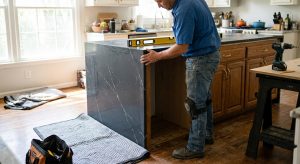
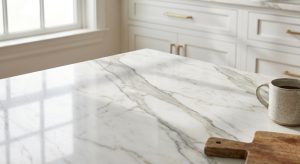
If you are seeking an impressive statement piece for your bathroom, a waterfall vanity countertop installation can be the perfect solution. This style seamlessly extends your chosen countertop material down the sides of the vanity, creating a continuous flow that exudes elegance and sophistication. Whether your preference is quartz, marble, granite, or a solid-surface material, a waterfall design helps bring a modern touch while maintaining excellent durability. In addition, it can serve as a practical choice for moisture-rich environments like bathrooms.
In this guide, you will discover why a waterfall vanity countertop might be the right option for you or your loved ones, especially if you desire premium materials and customized craftsmanship. You will also learn about the installation process, practical considerations such as cost and timeline, as well as maintenance tips to help you preserve its beauty in the years to come. By the end of this article, you will have a clearer understanding of why so many homeowners choose waterfall countertops for their bathroom vanities and how you can confidently select this style for your next project.
What is a waterfall vanity countertop
A waterfall vanity countertop is a design that extends the countertop material in a vertical plane, continuing down the vanity sides instead of stopping abruptly at the edge. This creates a striking visual effect that is both contemporary and luxurious. Though the style is often seen in kitchens, it has been steadily gaining popularity in bathrooms for those who want a feature that stands out while providing practical advantages.
Waterfall edges are typically created by precisely cutting and mitering stone slabs to fit together seamlessly around 90-degree corners. The result is a continuous “tumbled” appearance from the top surface down to the floor, enhancing the material’s natural beauty. When executed with high-quality craftsmanship, this design transforms an ordinary bathroom vanity into an artistic statement piece.
Why choose a waterfall countertop for a vanity
Choosing a waterfall design for your bathroom vanity offers more than just a stylish appearance. Here are the key reasons many homeowners opt for this approach:
- Elevated aesthetics: The vertical extension of the material makes a bold statement. If you are seeking a sleek, modern vibe, a waterfall vanity can be the ideal centerpiece.
- Clean lines and symmetry: Because the countertop and sides merge seamlessly, there are fewer visual breaks. This can make the vanity appear more cohesive and balanced.
- Additional protection: By extending the countertop vertically, the material covers the vanity sides, protecting the underlying cabinet from everyday scuffs, spills, and bumps.
- Opportunity to showcase premium materials: From quartz to high-end marble, a waterfall design highlights a material’s natural veining or pattern, allowing you to see its beauty from multiple angles.
These advantages make waterfall countertops a popular choice for individuals who value design-forward solutions that also serve a practical purpose.
Popular materials for waterfall vanity countertops
A variety of materials can be used for waterfall vanity countertop installation. The right choice depends on your preference for style, maintenance, and durability. Below are four popular options.
1. Quartz
Quartz is often cited as one of the best materials for waterfall countertops thanks to its durability, pore-free nature, and ease of upkeep (Kitchen Magic Blog). Because quartz is engineered, you can find a range of colors and patterns that match your décor. Many homeowners also appreciate that quartz can be fabricated to mimic marble’s veining without the higher-maintenance requirements.
If you want a smooth, polished look, quartz might be ideal. It is also less prone to fissures compared to some natural stones. Because of its strength, quartz can handle daily bathroom traffic or even commercial environments without worrying about cracking or staining.
2. Marble
Marble is revered for its timeless, luxurious appearance, and a waterfall edge can highlight the veining across a continuous expanse. When done properly, this design can transform your bathroom vanity into an upscale focal point. However, marble can be more porous and requires more maintenance than quartz. Be prepared to seal it regularly for protection against moisture and staining.
If you are specifically considering a waterfall vanity of marble, you can explore specific design inspirations at waterfall marble countertops. This link offers guidance on incorporating marble designs into a variety of spaces, including bathrooms.
3. Granite
Granite is another popular natural stone for waterfalls. Like marble, granite can showcase dramatic patterns that flow over the edge. Granite is known for its heat resistance and durability, though it is not as pore-free as quartz. Still, many homeowners prefer its distinct, natural look. It is generally recommended to seal granite to guard against water damage and stains.
If you are curious about installation or cost details, you can check out waterfall granite countertop installation for additional guidance. This resource covers how granite slabs are mitered and installed for a sleek, waterfall effect.
4. Solid surface
Solid-surface materials are another contender for your waterfall vanity. These are engineered materials derived primarily from acrylic or polyester resins, often mixed with mineral fillers. Solid-surface countertops stand out for their seamless look, easy repairability, and relatively low maintenance. They are also non-porous, which prevents bacteria growth and reduces the risk of moisture damage in a bathroom.
According to KKR Stone, solid-surface materials have excellent impact resistance, making them more durable for frequent or high-traffic areas. They are also available in a range of finishes, so you can choose from matte, high-gloss, or textured surfaces to match your taste.
Key benefits of waterfall vanity countertop installation
Below is a concise overview of the advantages you gain by investing in a waterfall-style vanity countertop:
- Luxurious and modern appearance: Extending material vertically makes a bold aesthetic statement.
- Protective side panels: Waterfall edges protect the sides of your cabinetry, reducing scuff marks or moisture damage.
- Seamless continuity: The mitered edges around corners create a clean, uninterrupted flow for enhanced visual impact.
- Showcase high-end materials: If you choose exotic granite, elaborate marble veining, or customized quartz patterns, a waterfall edge highlights these features.
- Versatility: Waterfall vanities work well in both large master bathrooms and more compact powder rooms, adding functional style to almost any space.
Overall, a waterfall vanity creates a more upscale experience while ensuring practical benefits like durability and added cabinet protection.
Understanding the installation timeline
Before you install a waterfall vanity countertop, it helps to know how long each step may take. Though the timeline can vary, your project will likely follow a general sequence similar to kitchen countertop installations:
- Consultation and planning (1-2 weeks): You or your contractor assess measurements and consider material options such as quartz, granite, marble, or a solid surface. During this stage, it is wise to finalize the project estimate, factoring in labor, demolition, and any plumbing adjustments (EdStone Inc.).
- Material ordering (1-3 weeks): Once you decide on the material, the fabricator will place an order. Availability of specific slabs may extend your timeline.
- Template creation (1-2 hours for appointment): A detailed template captures sink cutouts, faucet holes, and exact dimensions. Changes after this step can cause delays.
- Fabrication (1-2 weeks): Cutting, polishing, and mitering the edges of your countertop occurs. Intricate designs, like a waterfall edge, require careful CNC cutting, adding to the time (Caesarstone US).
- Removal of existing countertop (1-3 days): If you are upgrading from an older vanity, the existing countertop must be removed before installation day.
- Installation day (varies): Professionals secure the new vanity top, align the edges, and typically seal the surface (if required). Additional tasks, like attaching sinks or faucets, may require a bit more time.
Keeping a realistic timeline in mind eases the process, ensuring you know what to expect and when you can start enjoying your new waterfall vanity.
Step-by-step waterfall vanity countertop installation
To help you visualize how the process unfolds, let’s break down the main steps involved in installing your new waterfall vanity:
1. Consultation and measurement
Your journey begins with a thorough consultation. Here, you evaluate material options, budget requirements, and potential design preferences. You might also opt for a waterfall countertop project consultation if you want comprehensive guidance on feasibility, style, or cost. A professional then takes detailed measurements to ensure the correct fit for both horizontal and vertical sections.
2. Material selection
Next, you choose from quartz, marble, granite, or solid-surface materials that best match your usage, design, and budget. If you are not sure about which fits your needs, consider the waterfall countertop material selection service to be guided through available slabs, colors, and finishes. Whether you envision a bold marble pattern or prefer a minimalistic quartz style, the choice hinges on your design goals and lifestyle.
3. Fabrication and edge mitering
Once the material arrives, the fabrication process begins. The fabricator uses computer-controlled cutting methods (CNC) to achieve precise mitered edges. This level of detail is essential for a smooth, visually appealing waterfall design. For more information on how edges are meticulously joined, check out the waterfall countertop edge mitering process.
In many cases, you might also want to add carefully aligned edges that minimize seams. A resource like seamless waterfall countertop installation discusses how professionals can create continuous visual lines by taking advantage of advanced technology. Keep in mind that complex, thicker mitered edges can raise the overall cost. Some homeowners choose a standard thickness to reduce the labor-intensive aspect and save on budget.
4. Actual installation
Experienced installers then fit the countertop onto your vanity cabinet, ensuring all edges line up perfectly and the vertical panels meet the floor at the correct angles. This part requires precision to maintain an even appearance throughout.
If you are curious about the overall budget, consider the waterfall countertop cost estimate service. Different factors, such as your chosen material, intricacy of the design, and local labor rates, will influence the final figure.
5. Post-installation care
Once your waterfall vanity countertop installation is finalized, you may need to seal natural stone materials regularly, like marble and granite, to keep them resistant to moisture or staining. Quartz and solid-surface materials typically require less upkeep. A professional might recommend the best products or schedule to follow. For additional insights, waterfall countertop care maintenance guides you on proper cleaning and sealing. Routine wiping with gentle, non-abrasive cleaners is usually enough to keep the surface pristine.
How waterfall vanities enhance your space
A waterfall vanity can significantly uplift your bathroom aesthetics. Whether you pair it with minimalistic fixtures or more traditional decor, the sleek lines and continuous patterns unify the overall look of your space. It is also an excellent way to:
- Create a spa-like calm: The seamless edge can evoke tranquility, a beneficial feature in a personal retreat.
- Draw attention to the sink area: Since the vanity often serves as a bathroom’s focal point, a waterfall design accentuates this central fixture.
- Increase perceived space: When the countertop extends vertically, it can add depth and dimension to smaller or moderately sized bathrooms.
- Highlight premium materials: If you have invested in rare granite or luxurious marble, a waterfall design proudly displays each unique vein or color variation.
Comparing materials in a quick table
Below is a quick overview of how each primary material compares for a waterfall vanity countertop:
| Material | Durability | Maintenance | Look & Aesthetic | Cost Range (per sq. ft.) |
|---|---|---|---|---|
| Quartz | Very high | Low | Modern, uniform patterns | $40-$100 (Caesarstone US) |
| Marble | Moderate | Moderate/High | Timeless, natural veining | Varies, can be high |
| Granite | High | Moderate | Distinctive, natural | $40+ depending on rarity |
| Solid surface | High | Low | Versatile, seamless look | Moderate |
Keep in mind that exact pricing depends on the slab’s intricacy, local availability, and fabrication fees. For an even more precise breakdown, you can explore a waterfall countertop cost estimate.
Where to place internal and external seams
In some installations, you may have seams within your vanity countertop, particularly if your design requires multiple slabs or if you select a material with large veining patterns. Placing seams in less noticeable areas, such as along the faucet cutout or behind the sink, can help preserve the visual continuity. Fabricators often minimize the number of seams by carefully measuring and cutting single slabs to exact specifications.
In complex designs, professionals may join two slabs using adhesives that match the color and pattern of your chosen material, making seams less visible. This step is even more critical in a waterfall design, as any misalignment could disrupt the striking vertical flow. Tools such as a CNC laser cutter help achieve tight, accurate seams. If you are aiming for minimal or concealed seams, consider a specialized service like seamless waterfall countertop installation.
Balancing investment and value
While the aesthetic payoff of a waterfall vanity countertop is substantial, it can be a costly undertaking. Additional expenses stem from the extra material used to form the vertical panels, the skill required to miter edges, and potential customizations like thicker or decorative edges. Fabrication steps, especially CNC cutting, might add up to $2,000 in complexity fees (Caesarstone US).
That said, many homeowners feel the final product is worth it, especially if you are renovating a master bathroom or aim to improve your home’s resale value. Waterfall designs have become synonymous with luxury, so they can add an aura of sophistication that appeals to prospective buyers down the road. If you decide to sell, having a showpiece vanity is often viewed as an attractive upgrade that sets your property apart.
Tips for maintaining a waterfall vanity countertop
Ensuring your waterfall vanity endures for years involves consistent yet straightforward care. Here are a few suggestions:
- Wipe spills right away: Promptly clean any water or product spills on both the top and sides to prevent staining or etching, especially for porous stones like marble.
- Use gentle cleaners: Opt for pH-neutral or mild soap-based cleaners. Avoid harsh chemicals that can discolor or dull the finish.
- Seal regularly (for natural stone): Consult your fabricator to determine how often you need to re-seal. Quartz and solid-surface materials typically do not need sealing.
- Avoid extreme impacts: Though materials like granite and quartz are sturdy, heavy impacts at the edge can cause chips. Exercise caution when moving bulky objects in your bathroom.
- Schedule professional checkups: If you notice cracks or separation at the seams, a professional can reapply adhesives or suggest repairs. Waterfall countertop refinishing service might also be an option if your countertop has significant wear or damage.
Keeping your countertop in pristine condition not only maintains its visual appeal, but also protects your long-term investment.
Customized solutions for every need
When planning your waterfall vanity, you may also want specialized options, depending on your bathroom’s layout or unique design preferences. Some homeowners choose to pair their vanity with a matching waterfall countertop backsplash design for an even more cohesive look. Others might integrate custom vessel sinks or elaborate faucets that highlight the vertical expanse of the counter.
You can also engage a waterfall countertop contractor near me if you prefer hands-on local support. They can help you every step of the way, from waterfall countertop measurement service to the final sealing and polishing phase.
Frequently asked questions
1. How much material do I need for a waterfall vanity?
You generally need extra material to cover the vertical sides of the vanity. Depending on your measurements, you might need one large slab or multiple slabs. Ensuring all pieces come from the same batch maintains color consistency. A waterfall countertop templating service can help determine the precise dimensions, reducing waste and unexpected surprises.
2. Does a waterfall vanity countertop installation take longer than a regular vanity installation?
Yes, it can take longer because of the additional fabrication steps involved, such as meticulous mitering for the edges and extra surface polishing. The overall timeline also depends on slab availability and design complexity. On average, plan for 1-2 extra weeks beyond a typical countertop project for consultation, measuring, and CNC cutting.
3. Can I install a waterfall vanity using DIY methods?
Waterfall installations require advanced skills in cutting, mitering, and joining stone surfaces. Although minor vanity replacements can sometimes be tackled as DIY projects, a waterfall design leaves little room for error. You risk damaging expensive materials if you are unfamiliar with advanced fabrication techniques. It is advisable to hire professionals or connect with waterfall countertop specialists for best results.
4. Are waterfall vanity countertops more expensive?
Yes, they usually cost more than standard countertops. The extra expense comes from additional material needed for the sides, along with higher fabrication costs. However, many individuals feel the added expense is justified by the distinct, modern look a waterfall provides. For an overall budget breakdown, you can consult waterfall countertop cost estimate.
5. How do I choose between quartz, marble, granite, and solid surfaces for my bathroom vanity?
Consider how you use your bathroom, your budget, and how much maintenance you are willing to do. Quartz offers superior durability and straightforward upkeep. Marble exudes luxury and has timeless beauty but requires more care. Granite is resilient, though it must be sealed. Solid-surface materials are easy to clean, with a wide range of finishes. If you are still unsure, a waterfall countertop material selection consultation can narrow down the options that fit your aesthetic and lifestyle.
Conclusion
Opting for a waterfall vanity countertop installation can significantly enhance the visual appeal and functionality of your bathroom. It offers a sleek, uninterrupted surface that is both modern and protective. Whether you prefer the robust functionality of quartz, the timeless beauty of marble, or the eye-catching patterns of granite, each material can stand out beautifully in a waterfall design. With the right professionals guiding you through measurement, fabrication, and installation, your new vanity will serve as a durable centerpiece.
If you are ready to transform your bathroom with a premium waterfall vanity, take the next step by exploring helpful services like custom waterfall countertop fabrication or seeking a waterfall countertop project consultation. By combining expert craftsmanship with the ideal countertop material, you can achieve the elegance and lasting value you desire.