Discover waterfall countertop marble elegance
When you envision a stunning, contemporary kitchen that blends graceful lines with durable materials, the concept of waterfall countertop marble elegance likely comes to mind. You may be seeking a way to make your kitchen both highly functional and visually compelling, so exploring a waterfall countertop is a natural choice. This distinctive design, where the countertop material flows seamlessly down the side of an island or cabinet, creates an atmosphere of luxurious refinement. It simultaneously offers practical benefits—covering cabinetry edges, protecting surfaces from oven splatter, and providing a visually unified look throughout your cooking space.
By choosing a waterfall countertop that uses high-quality marble—alongside other premium surface options like quartz, granite, or more innovative solid-surface materials—you invest in a timeless statement piece for your home. In this article, you will learn how this design can elevate nearly any kitchen, discover guidance for selecting the right countertop material, and see how proper installation and maintenance can make your new feature last for years to come. With an empathetic, supportive approach, we will walk you through this transformation step by step so you feel confident in breathing new life into your kitchen environment.
Below, you will find an organized set of insights, from the design fundamentals to the deeper reasons why a waterfall countertop can bring you peace of mind, style, and longevity—no matter which material you choose.
Learn the waterfall design concept
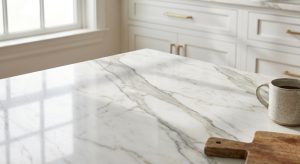
A waterfall countertop offers a distinct aesthetic that sets it apart from traditional countertops. Instead of stopping abruptly at the island’s edge, the surface material extends vertically down to the floor. Thanks to this continuous flow, reminiscent of a cascading waterfall, the countertop gains a dramatic yet streamlined look.
How it came to be
Although it might appear like a purely modern idea, waterfall countertops trace their roots to design styles dating back decades. According to some design historians (Better Homes & Gardens), the notion of wrapping a counter’s edges for a cohesive finish was popular in the 1930s and 1940s—although on a more limited scale and with fewer materials. Today, this concept has been refined and updated using advanced fabrication technologies and a broader array of materials to fit modern kitchens.
Why it matters
- Creates a seamless visual effect that lends harmony to contemporary or transitional kitchens.
- Protects and conceals the sides of cabinets with durable surfaces.
- Elevates design appeal. Waterfall edges signal sophistication, instantly conveying a sleek, unified layout from the top of your island down to the floor.
For many homeowners like you, this emphasis on cohesive design squares perfectly with a desire for convenience. When you walk into the kitchen, the sense of continuity exudes a calm, empowering atmosphere. Practical benefits, like safeguarding cabinetry, further enhance your sense of reassurance in the day-to-day cooking routine.
Explore benefits of marble
When it comes to embracing waterfall countertop marble elegance, marble stands out for its aesthetic allure and enduring cultural legacy. This luxurious stone has long been associated with architecture that withstands the test of time. Yet you will also find that marble helps foster a warm, welcoming environment, providing a dense, reliable surface beneath its stylish sheen.
Striking visual beauty
Marble’s hallmark, of course, is its sophisticated appearance. Each slab offers unique veins and coloration, ensuring that no two pieces look exactly alike. This exclusive appeal can boost the sense of personalization in your kitchen, helping you feel it is truly your space. If you or a loved one appreciates designs that embody refinement, marble is an excellent choice for a new countertop that speaks to individuality.
- Classic veining ensures an elegant, timeless aesthetic.
- Natural color variations make your countertop a true one-of-a-kind piece.
- Bright marble surfaces evoke openness and help reflect available light.
If you want a deeper look into selecting a luxurious marble surface, you might find additional insight through marble waterfall luxury aesthetics, a resource that helps guide you on blending marble’s inherent charm with modern waterfall designs.
Durable when cared for properly
Marble does require attention for long-term protection. According to stonework experts, it can last decades if you incorporate proper measures—from prompt spill cleanup to periodic sealing. Trusted stone professionals (DTK Stone Works) note that resealing is essential to safeguard against stains. While marble is not as hard as quartz, it is more heat resistant than some synthetic materials, giving you peace of mind if you set a warm pot down for a short time.
Upscale resale value
Installing a marble waterfall countertop often improves your home’s overall appeal to prospective buyers. That means, should you decide to sell, your elegantly designed, carefully maintained marble counter could attract more attention and potentially justify a higher asking price, reflecting your investment in both style and functionality. Home improvement experts confirm that marble resonates with buyers looking for tasteful, premium designs without sacrificing practicality.
Compare popular countertop materials
Marble’s beauty is undeniable, yet it is far from the only choice for a premium waterfall countertop project. Your final decision may depend on factors such as budget, maintenance time, or simply aesthetic preferences. Below, you will find a brief overview of quartz, granite, and other solid-surface materials that might also offer the cohesive, high-end look you desire.
Quartz
This engineered stone is frequently lauded for its durability. It resists staining better than more porous materials and typically requires less maintenance. Additionally, quartz lends itself to creating the flawless lines pivotal to a waterfall design. If you are curious to learn more about how quartz stands up under daily wear, take a look at waterfall countertop quartz durability. Also, you can explore how quartz designs can be personalized by reviewing quartz waterfall waterfall design.
- Less porous than many natural stones
- Minimal resealing obligations
- Easy to clean, which is reassuring if your household includes children or frequent visitors
Granite
Granite, often revered for its strength, showcases an extensive range of colors and patterns. If daily hustle-and-bustle is part of your household routine, granite’s hearty composition may be the reassuring choice you need. The stone might require occasional resealing, but its scratch resistance is high. For additional insight, glance at granite waterfall stain resistance to see how a waterfall edge can capitalize on granite’s protective benefits.
Solid surfaces
Manufactured solid-surface materials can replicate the look of natural stone, sometimes at a lower cost. They are easy to clean and can be fabricated into a waterfall edge. Some homeowners favor these surfaces for their variety of color options and shapes. On the other hand, they may lack the authenticity and character that come with real stone. It is worth weighing whether a purely synthetic look versus a stone’s natural veining aligns with your personal design goals.
Comparing these options helps you feel empowered to choose the countertop that aligns with your functional and aesthetic preferences. More than anything, it allows you to find a balance between the design statement you desire and the practicality your day-to-day environment demands.
Assess installation and costs
One of the most critical aspects when deciding on a waterfall countertop is understanding how it will be installed, along with the associated expenses. Labor, fabrications, and the materials themselves can add up quickly. To keep your project running smoothly, consider both logistical factors (like weight limitations or structural upgrades) and the financial outlay tied to professional installation.
Budget planning
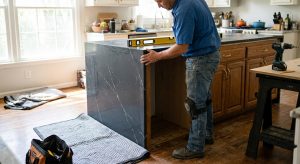
According to various cost estimations (Caesarstone US, Reborn Renovations), waterfall countertops require more material than standard countertops because you are essentially purchasing slab material for both the horizontal surface and its vertical extension. Labor costs often reflect the intense precision needed for mitered edges—ensuring the top and side pieces match perfectly.
- Expect a price range from $60 to $200+ per square foot overall.
- Stone slab costs alone can be $40 to $100+ per square foot.
- Installation can climb up to $100 per square foot—especially if CNC fabrication is necessary.
- Additional fabrication fees for seamless edges might run from $1,000 to $2,000 or more.
For an up-to-date look at pricing breakdowns, explore the cost of waterfall countertop per square foot reference, which details how labor, materials, and finishing touches factor into your budget.
Potential structural needs
Because waterfall countertops can add a significant amount of weight to an island or cabinet frame, you should confirm that your existing kitchen structure can handle the load. In some cases, a contractor may add internal support or reinforcement for safety. For more information on this practical concern, you might consult resources about waterfall countertop weight considerations or read about possible structural caution in waterfall countertop installation risks.
Professional installation
While some do-it-yourself enthusiasts might be tempted to tackle smaller kitchen upgrades, installing a waterfall countertop typically requires experienced fabrication professionals. Because you must align the vertical slab with the horizontal surface in a near-flawless manner, a seasoned eye and specialized tools play a vital role. For that reason, many homeowners prefer to select waterfall countertop professional installation services to ensure a successful outcome.
Talk to your installer early about the scheduling process, the specific materials you have chosen, and any modifications needed in your kitchen space—like re-routing electrical outlets or adjusting cabinet heights. Clear communication fosters a supportive environment, building your confidence that the final reveal will reflect your vision.
Consider maintenance and care
Once your waterfall countertop is in place, you have every reason to keep it looking its best. Being proactive about cleaning and protecting natural stone or engineered surfaces can minimize the risk of stains, scratches, or dull spots.
Simple cleaning routines
Basic housekeeping can go a long way in safeguarding your new countertop. Wiping up spills quickly is especially crucial for natural stones like marble or granite, which can sometimes absorb moisture over time. With quartz, you can generally feel more at ease, as it resists staining better than most natural stones. However, a gentle, non-abrasive cleanser is still recommended for daily wipe-downs.
- Use a soft cloth and a pH-neutral cleaner.
- Avoid abrasive scrubbing pads that might scratch surfaces.
- Clean up acidic spills—like lemon juice or vinegar—promptly.
For in-depth tips on preserving a waterfall countertop’s beauty, delve into waterfall countertop maintenance tips. It explains strategic resealing schedules and addresses the best products to use for everyday cleaning.
Sealing and polishing
Whether or not you need to seal your countertop depends on the material’s porosity. Marble and granite often require periodic sealing to repel liquids. If you prefer minimal maintenance, quartz or synthetic surfaces might grant you extra peace of mind. Polishing your countertop once or twice a year can also help maintain a glossy finish.
Environmental considerations
Today’s homeowners are more mindful of eco-friendly perspectives. Using gentle, water-based sealants, carefully managing leftover materials, and avoiding aggressive chemicals can help reduce your environmental footprint. If sustainability is particularly important to you or a loved one, consider opting for a brand of quartz or stone that embraces green manufacturing practices.
Discover design style options
Waterfall countertops inherently lean toward modern or contemporary appeal. However, you can still incorporate them into transitional spaces or even certain farmhouse-inspired designs if you carefully balance materials and finishes. Understanding your home’s broader visual context will help ensure that a dramatic, cascading edge does not feel out of place.
Modern kitchens
These spaces typically feature sleek cabinetry, minimal hardware, and an open layout. In a modern setting, a waterfall countertop stands out as a bold, sculptural element. Minimalist lines focus attention on the gorgeous stone or engineered material. Learn more about how this concept looks in action by exploring waterfall countertop for modern kitchen resources.
Contemporary islands
Current design trends include combining neutral color palettes with contrasting textures in a single island. You can achieve this by pairing the smooth, polished side of a waterfall edge with a darker or lighter accent on the island’s interior panels. For some stylistic examples, you might check out waterfall countertop for contemporary island.
Traditional and transitional
While waterfall edges are most at home in contemporary kitchens, it’s not impossible to integrate them into more traditional or transitional spaces. Mixing a waterfall countertop marble elegance with classic cabinet details can yield a fresh, updated style that still nods to tradition. If you lean more traditional, consider subtle marble veining or subdued granite patterns. Pairing that with warmer wood tones can soften the modern edges and foster an inviting atmosphere.
Backslashes and continuity
For a fully cohesive look, some homeowners extend the concept behind the counters and up the wall, creating a striking statement. A vertical “waterfall” integrated with a matching backsplash is an option for those seeking a bolder statement. If you have an eye for unifying your kitchen’s surfaces, investigate waterfall backsplash waterfall continuity.
Make an informed decision
You stand at a pivotal point: choosing a new countertop can transform a kitchen from merely serviceable to genuinely inspiring. With so many choices, it is natural to feel both excited and overwhelmed. By relying on supportive professionals and credible resources, you can make a confident, informed decision. As part of your process, you might also want to review the waterfall countertop pros and cons, which presents a straightforward overview of the design’s biggest perks balanced against a few potential drawbacks.
Pros to inspire your choice
- Eye-catching focal point that adds value to your kitchen
- Sleek, unified appearance that aligns with modern design preferences
- Greater protection against bumps, scrapes, and everyday wear
- Available in numerous materials, enabling personal customization
Cons to be aware of
- Higher material and labor expenses
- Requires careful structural support
- Might feel out of place in very traditional kitchens
- Some materials need more frequent maintenance
If you worry about pitting or structural vulnerabilities various stones may have, check quartzite waterfall durability benefits or granite waterfall stain resistance for deeper insights. Moreover, you can explore the significance of overall kitchen flow by weighing a waterfall vs flush countertop design.
Securing a reputable installer
Part of your decision-making process typically involves vetting the professionals who will bring your vision to life. Searching online reviews or researching waterfall countertop installers reputation might clarify which fabricators have experience in intricate mitering and seamless finishes. You deserve someone who respects your goals, timelines, and budget—fostering a strong rapport just as a supportive environment fosters trust in other transformative experiences.
FAQs: Your top questions
Below are some frequently asked questions about waterfall countertops, answered with a supportive and empathetic perspective to help you feel well-equipped as you decide what suits your needs.
-
Why should I choose a waterfall countertop for my kitchen?
A waterfall countertop turns a functional work surface into a stylish focal point. The continuous flow from the horizontal to the vertical edges elevates the design, protects cabinetry, and delivers a modern, cohesive feel. This look can fit many decor styles and bring a sense of unity to your daily environment. -
How do I incorporate outlets or seating with a waterfall countertop?
Planning from the start is key. You can recess outlets into the side of the cabinetry before installing the slabs. For seating, ensure there is enough overhang to accommodate stools without compromising the waterfall’s clean lines. Collaborate with your designer or installer to fine-tune the depth and placement for maximum comfort and style. -
Are all waterfall materials equally durable?
Each material has its pros and cons. Quartz can be especially low maintenance. Marble offers striking elegance but sometimes requires extra care. Granite is highly durable with unique patterns. Tying your choice to your lifestyle is vital, so consider your regular cooking habits, number of household members, frequency of gatherings, and willingness to do occasional resealing. -
Do waterfall countertops work in small kitchens?
Yes, a waterfall edge can visually expand the space by creating a polished, continuous surface. However, it is wise to consult a professional to confirm that the added material will not crowd the area. Smart design choices can balance form and function in more compact layouts. -
How can I handle repairs if a waterfall edge gets damaged?
If cracks or chips occur—often due to heavy impacts—speak to a licensed stone professional who can properly address the issue. Small chips may be filled with resin, while deeper structural damage may require a partial slab replacement. You will want specialists who understand how to keep the seams looking seamless even after repairs.
Conclusion
Choosing a waterfall countertop is more than selecting a stylish feature; it is setting the stage for a more uplifting, harmonious cooking environment for you or a loved one. Savor the balance of design sophistication and functional resilience that waterfall tops provide—particularly if you opt for the distinct allure of waterfall countertop marble elegance. Regardless of the material you choose, this cohesive design underscores a sense of continuity and refinement in your home.
By analyzing leading materials—like marble, quartz, and granite—you gain clarity around the strengths of each. From understanding cost considerations to securing an experienced, empathetic installer who respects your personal specifications, every step in your journey can be approached with confidence. If you are still curious, you might reference helpful resources such as waterfall countertop design trends or waterfall countertop countertop inspirations for additional ideas and insights that resonate with your unique perspective.
In the end, the beauty of a waterfall countertop reflects a promise: the chance to transform a utilitarian area of your home into a supportive, rejuvenating setting that celebrates your tastes and lifestyle. Embracing such an inspired design can cultivate a sense of pride and comfort for years to come. Whether you choose cool marble, robust granite, or dependable quartz, the simple act of letting the countertop “cascade” downward strengthens the bond between total functionality and breathtaking, modern elegance.