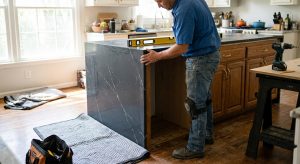
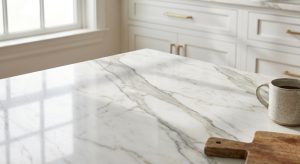
If you are wondering about waterfall countertop pros and cons, you may be seeking trustworthy advice before making an investment. A waterfall countertop seamlessly extends the surface material down the sides of an island or cabinet, creating a continuous, cascading appearance from top to floor. It can be a showstopping addition to your kitchen, especially if you love modern or transitional designs. At the same time, the decision to choose one can feel significant, given the higher cost and potential installation complexities. This article aims to walk you through the key considerations so you feel empowered and informed when deciding if a waterfall countertop is right for you or a loved one who might also benefit from this premium option.
Understanding waterfall countertop basics
A waterfall countertop is no ordinary counter. Unlike a standard design that stops at the edge of cabinets, it wraps vertically down the sides, protecting the cabinet structure and creating a sleek statement piece. You’ll commonly see these counters in high-end kitchens, but they can work with a variety of design themes if executed carefully. Regardless of whether you gravitate toward contemporary minimalism or more rustic styles, a waterfall element can highlight the beauty of your chosen stone—be it quartz, marble, granite, or a solid surface.
How it looks and feels
Visually, a waterfall edge creates a focal point that draws the eye. You’ll notice the uninterrupted flow of patterns—veins in marble or granite, or a polished monochromatic surface in quartz. This continuous design often makes the kitchen appear bigger and more cohesive, especially in open-concept homes. The cascading aspect can lend a sense of refinement, an impression sometimes associated with upscale properties. According to various reports, having these countertops installed can even boost a home’s resale value by offering a luxurious edge to your kitchen’s aesthetic (Northern Craft Construction).
Common materials for waterfall designs
- Quartz: Non-porous, scratch-resistant, and easy to maintain. Perfect if you prefer consistent color or subtle patterns. Learn more about how quartz fares in the long run at waterfall countertop quartz durability.
- Marble: Known for its classic veining, marble brings instant luxury but generally requires more upkeep. If you’re intrigued by the gentler, elegant finish of marble, explore waterfall countertop marble elegance.
- Granite: Highly durable, with unique natural patterns. Many homeowners value granite for its robustness and stain resistance. Peek at granite waterfall stain resistance for added details.
- Solid-surface composites: These include engineered materials like acrylic or polyester. They are durable, non-porous, and can be molded to achieve seamless looks.
Whether you choose quartz, marble, granite, or a composite, the side panels typically match the top in color and thickness. This uniformity preserves the “wrapped” effect that defines a waterfall countertop.
Determining the main benefits
Understanding the upsides of a waterfall countertop can help you decide if its style and function align with your goals. Often, there is more to love about it than mere aesthetics.
Visual appeal
A waterfall design immediately draws attention, providing a striking focal point in a kitchen or dining area. It gives you a chance to showcase your countertop material by extending its presence, turning it into an artful statement. Quartz, especially, is popular for these projects due to its seamless veining or uniform patterns (European Granite Design).
Protection for cabinets
Thanks to the cascading panels, your cabinets benefit from an extra layer of protection. Waterfalls shield the vulnerable edges of cabinetry from day-to-day bumps, scratches, or moisture. This functionality is particularly helpful if you have small children, pets, or a bustling cooking environment that sees significant activity. You can expand on installation details and support structures at waterfall countertop support requirements.
Cohesive style
Waterfall countertops can unify a space by carrying the same material down the sides. Patterns in natural stones, such as the veining in granite or marble, appear fluid and continuous when they flow over the edge—contributing to a sense of harmony throughout the space (KKR Stone). For a design even more focused on unbroken lines, consider extending that same concept into a waterfall backsplash waterfall continuity.
Increased home value
Many potential buyers see a waterfall edge as a luxurious touch. As a premium feature, it can enhance your kitchen’s perceived value, offering a selling point if you ever relocate. Even if you’re not planning to sell soon, knowing there could be a long-term return on investment may give you peace of mind.
Versatility across styles
While often embraced in modern kitchens, waterfall counters can also work with transitional or rustic schemes. By selecting the right stone and edge treatments, you can adapt it to your preferred style. If you are curious about emerging styles, check out waterfall countertop design trends.
Recognizing the drawbacks
In thinking about waterfall countertop pros and cons, it’s equally important to account for potential challenges that come with this design. By confronting these issues beforehand, you can avoid unwelcome surprises.
Higher overall cost
One of the most significant downsides is cost. Waterfall countertops typically stretch the cost beyond standard counters. First, you need more surface material to wrap down the sides. Second, installation requires precise craftsmanship to achieve that perfect mitered edge. Depending on the stone and local labor rates, you might be looking at anywhere from $40 to $100 (or more) per square foot for materials, plus up to $100 per square foot in fabrication and installation costs (Caesarstone US). To dive deeper into expenses, visit cost of waterfall countertop per square foot.
Installation complexity
Every angle and seam in a waterfall must align precisely, so an experienced installer is key. It’s not a beginner-friendly DIY project. Mitered corners, alignment of veining, and additional support structures all add complexity. You can read more about possible pitfalls at waterfall countertop installation risks. For most people, a skilled professional is the best path forward, as discussed further at waterfall countertop professional installation.
Potential style mismatch
While many homeowners adore waterfall edges in modern kitchens, they may not integrate well if the rest of your home embraces more traditional decor. Over time, interior design trends shift. If your style plan changes down the road, removing or altering a waterfall edge can be expensive. Some worry it may become dated should a new design wave take over. Weigh this before committing.
Outlet placement challenges
If you plan to install outlets along the sides of an island, a waterfall edge complicates the process because you’d have to cut through the sleek vertical surface. This modification interrupts the continuous visual flow and could undermine the design’s elegance (O’Hanlon Kitchens). If you truly need outlets, carefully consider location before finalizing the design.
Limited practicality in smaller spaces
In very compact kitchens, a waterfall countertop can overpower the layout. The visual heft of extended sides and extra thick stone might make the space feel cramped. If you live in a cozy apartment or have limited walking room, evaluate whether a standard edge might serve you better. Alternatively, weigh how essential a waterfall is by reviewing waterfall countertop space planning.
Choosing the right materials
Selecting a suitable material is paramount for your waterfall project. Options like quartz, marble, granite, or solid surfaces each come with their own set of strong points.
Quartz
For a low-maintenance and polished aesthetic, quartz is a top contender. Since it’s non-porous, you don’t need to stress about sealing it. It’s also highly scratch- and stain-resistant, making it a practical fit for hectic kitchens. When curious about a design that truly stands out, investigate how quartz waterfall waterfall design can bring uniform veining or blotches that run seamlessly down the countertop’s edge.
Strengths of quartz
- Minimal maintenance
- Multiple color and pattern options
- Durable surface ideal for busy families
Possible limitations
- Artificial look if you prefer natural stone pattern variations
- Relatively expensive compared to some solid surfaces
Marble
Marble is beloved for its classic veining and timeless elegance. A waterfall done in marble can feel exceptionally luxurious. On the other hand, marble is softer compared to granite or quartz, making it more prone to stains and scratches. It demands regular resealing and a bit more gentle handling. For a deeper look at its premium feel, read about marble waterfall luxury aesthetics.
Strengths of marble
- Iconic veining that adds sophistication
- Elevated, luxe appearance
- Possibility to choose unique slabs
Possible limitations
- Higher maintenance requirements
- Susceptible to etching from acidic spills
Granite
If you crave natural variation and robust durability, granite might be your best bet. It resists high heat, stands up to heavy use, and, with proper sealing, shrugs off most stains. Another strong appeal is the one-of-a-kind patterning that each slab provides. For more insights into the advantages of using granite in a waterfall edge, see waterfall countertop granite benefits.
Strengths of granite
- Distinct natural beauty
- Heat-resilient and scratch-resistant
- Adds long-term value to your kitchen
Possible limitations
- Some patterns can be difficult to align at the seams
- Requires periodic sealing
Solid-surface composites
Solid-surface countertops, composed of synthetic materials like acrylic or polyester, are renowned for their seamless appearance and repairability. If you nick or gouge them, a professional can usually buff them out. This can be appealing for households where accidents happen frequently.
Strengths of solid surfaces
- Smooth and seamless finishes
- Low-maintenance and easy to clean
- Often mid-range in cost
Possible limitations
- Not as heat-resistant as stone
- Might not match the luxurious look of natural materials
Planning your installation
Choosing the right material is vital, but your strategy for installing a waterfall edge also shapes the success of the entire project. Consider enlisting professionals with experience specifically in waterfall counters. Skilled installers ensure the mitered edges match perfectly and the veining lines up (in the case of natural stone).
Working with professionals
Before you hire anyone, evaluate their credentials, portfolio, and references. A strong track record fosters confidence that the job will be done right. Do not hesitate to discuss the finer points, such as:
- Whether you need extra support structures
- How they plan to align veins
- Their approach to corner seams
- Their familiarity with heavier materials
You can learn more about how to select reputable professionals and compare quotes at waterfall countertop installers reputation.
Correct support
Stone waterfall edges can be heavy. Depending on your kitchen’s layout, additional bracing or support brackets might be necessary. Ensuring your floors and cabinetry can handle the weight is crucial for a safe, long-lasting installation. Refer to waterfall countertop weight considerations and waterfall countertop support requirements to see what might be needed.
Budget implications
Waterfall edges normally require extra square footage of material plus all the labor it takes to produce that cascading look. Factor these higher costs into your overall renovation budget. It’s wise to get itemized quotes, including:
- Material costs
- Fabrication fees
- Installation fees
- Additional hardware or supports
When you have this level of clarity, you’ll be better equipped to decide if the added investment is worthwhile. If you suspect a future remodel might remove the waterfall edge, you might want to proceed more cautiously. Occasionally, homeowners treat this feature as a lasting investment, hoping it will keep its appeal.
Maximizing your project’s payoff
Given the expenses, it’s only natural to want maximum benefits. By combining the right design elements, planning for maintenance, and ensuring a harmonious styling with your home, you can appreciate a waterfall countertop for years, or even decades, to come.
Coordinating with existing decor
Ask yourself how a waterfall pairs with other kitchen finishes, such as cabinet style, flooring color, and backsplash design. An elegant match usually highlights the countertop as the focal point, without clashing with your existing palette. Tying these elements together can generate an uplifting, welcoming ambience in the kitchen.
Maintaining your waterfall edge
Maintenance depends heavily on the material. Quartz typically only needs a wipe-down, while marble or granite may require sealing. Residues are more visible along the waterfall’s extended sides, making it worth having a routine cleaning plan. For more practical advice, see waterfall countertop maintenance tips.
Keeping it timeless
Trends in kitchen design change frequently. If you’re concerned about possible datedness years from now, focus on classic colors or subtle materials. Selecting a neutral quartz or a granite with moderate veining can minimize the risk that your countertops fall out of style. You can also monitor evolving styles through waterfall countertop design trends.
Further reasons for choosing a waterfall countertop
If you are still on the fence, consider a few additional facets that make waterfall edges enticing:
- They can breathe new life into a space. A typical cabinet edge can feel ordinary, while a smoothly wrapped stone surface radiates refinement.
- They’re durable. When installed correctly, they stand up to everyday wear, ensuring the cabinet sides remain guarded from damage.
- They allow continuity. If you love cohesive lines across your kitchen island and floors, a waterfall design can visually stitch those elements together.
- They fulfill a sense of individuality. Because waterfalls are still somewhat niche, your kitchen may stand out from others, especially if you integrate something with unique veining or coloring.
- They can adapt. If you favor a sleek, modern environment, you might also enjoy a waterfall countertop for modern kitchen. Those who lean toward transitional spaces can incorporate warmer tones while maintaining a bold, elegant look.
Frequently asked questions
-
Are waterfall countertops more expensive than standard counters?
Generally, yes. You need extra material to cover the sides, and the installation labor costs are higher. Expect an upcharge compared to a typical countertop. If you’re curious about overall expenses, visit cost of waterfall countertop per square foot. -
Which material is best for a waterfall design?
Each material has pros and cons. Quartz is non-porous and easy to clean, marble is elegant but softer, and granite is rugged and natural. Pick the one that aligns with your design, upkeep preferences, and budget. Refer to quartzite waterfall durability benefits, marble waterfall luxury aesthetics, and granite waterfall stain resistance for more specifics. -
Do waterfall countertops fit well in smaller kitchens?
They can, but be aware they may dominate limited floor space and contribute to a cramped environment. If your kitchen is especially snug, weigh whether a simpler edge might suit you better. For more insights, explore waterfall countertop space planning. -
Can I install a waterfall countertop myself?
The vertical wrap demands precise cuts and meticulously aligned seams, so most people find it challenging as a DIY. It’s best to consult professional services or read about potential challenges at waterfall countertop diy considerations. -
How do you maintain the vertical edges?
Follow standard cleaning routines suitable for your countertop material. Quartz might only require mild soap, whereas marble or granite could need regular sealing. Focus extra care on those vertical sides because they can become dusty or scuffed more easily. Check waterfall countertop maintenance tips for more detailed guidance.
Final thoughts
Deciding whether a waterfall countertop is a smart choice for you or someone you care about typically depends on your stylistic goals, available budget, and willingness to invest in both high-quality materials and professional craftsmanship. Reviewing waterfall countertop pros and cons can guide you in making a well-informed decision. If you lean toward a luxurious statement piece, are drawn to sleek edges, and appreciate a design aspect that promises protection for your cabinetry, you may find that a waterfall edge offers exactly the supportive environment you wish to create in your kitchen.
Choosing this path can feel like a commitment, but if you prioritize a timeless, cohesive look, you are investing in a dynamic design feature frequently associated with upscale interiors. By approaching the process methodically—selecting the right stone, discussing installation details with reputable professionals, and planning for proper maintenance—you set yourself up for a lasting transformation. Above all, once it’s in place, a waterfall countertop can give you a sense of reassurance and satisfaction that your investment in quality and style was worthwhile.