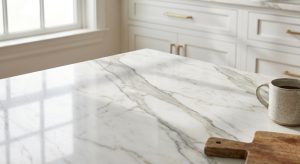
Waterfall countertops have gained remarkable popularity among homeowners looking for a premium and eye-catching feature in kitchens and bathrooms. When you first see a countertop material flowing elegantly down the side of an island or vanity, you may wonder what makes this style so appealing. But beneath its high-end appearance, there is one crucial aspect you should never overlook: waterfall countertop weight considerations. Understanding how weight factors into structural support, material selection, and installation methods is essential if you want a long-lasting, safe, and visually stunning waterfall countertop.
In this post, you will discover why a waterfall countertop’s weight plays a defining role in every phase of your project. You will explore how different materials compare, how to ensure adequate support for your cabinetry, and what to anticipate during installation and maintenance. By the end, you should feel confident about choosing a waterfall countertop for your premium quartz, marble, granite, or solid-surface design.
Understand the role of weight in waterfall countertops
Weight may not be the first thing you think about when planning a countertop. However, with waterfall edges extending down to the floor, the pressure on cabinetry and subflooring increases significantly. Neglecting this factor could result in long-term structural issues. By familiarizing yourself with the weight implications, you can address any challenges before they arise and safeguard your investment.
Why weight matters
A typical 3cm (1.25-inch) thick quartz slab can weigh between 20 and 25 pounds per square foot. In a conventional kitchen design with around 50 square feet of countertop space, that load can reach over 1,000 pounds. When you add a waterfall edge that extends the slab vertically, it may introduce hundreds of additional pounds. According to research by Zen Living, the added weight from thicker slabs and mitered edges can amplify these loads even more. This substantial mass underscores how critical a well-planned support structure is for your cabinetry and flooring.
Possible consequences of ignoring weight
If you disregard the weight considerations, you risk more than a crooked countertop. An inadequately supported or poorly installed waterfall edge might cause:
- Cabinet warping or cracking
- Stress fractures in the stone slab
- Difficulty aligning seams
- Damage to flooring and underlying structural supports
By carefully accommodating waterfall countertop weight considerations, you can protect your investment and ensure a secure, visually appealing result.
Evaluate countertop materials and thickness
When deciding which material best suits your waterfall design, a primary factor is how heavy the material will be once installed. Understanding each type of material, its thickness, and resulting weight can help you reach a balanced choice that meets both aesthetic and practical goals.
Quartz, marble, granite, or solid-surface
All materials have unique properties and weight characteristics:
- Quartz: Often considered an ideal choice for waterfall countertops, not only for its contemporary look but also for its durability and scratch resistance. Quartz typically weighs about 20-25 pounds per square foot in a 3cm thickness. If you want to learn more, check out waterfall countertop quartz durability to see why many homeowners trust quartz in high-traffic spaces.
- Marble: Luxurious and elegant. However, marble is more porous, so you should factor in regular maintenance. Its density can vary widely, but in 3cm thickness, it can weigh similarly to granite. For additional insight into the appeal and upkeep of marble, you might explore waterfall countertop marble elegance.
- Granite: Highly durable and heat-resistant, granite remains a favorite. Weight is similar to quartz—usually in the same 20-25 pounds per square foot range at 3cm thickness. See granite waterfall stain resistance for a closer look at how granite can resist daily wear.
- Solid-surface: Materials like acrylic-based solid-surface are typically lighter, although thicknesses can vary, thus affecting total weight. These are often simpler to fabricate but may lack the same premium aesthetic as natural stone or quartz.
Considering thickness for stability
Countertops typically come in thicknesses of 2cm (about 0.75 inches) or 3cm (about 1.25 inches). Thicker slabs:
- Weigh significantly more
- Provide greater visual presence
- May require more structural reinforcement
While 2cm slabs are lighter and potentially easier to handle, 3cm slabs are typically preferred for waterfall edges due to their durability and premium look. Going with 3cm often minimizes the need for visible buildup to match your waterfall panel’s thickness. However, it also raises the total weight you must accommodate.
Plan for structural support
The beauty of a properly executed waterfall countertop lies not just in the finished look but also in adequate support that keeps everything secure. Before finalizing your design, evaluate the cabinet strength, subfloor, and wall attachments to confirm they can handle the additional load.
Cabinet construction guidelines
Most modern cabinets are built to hold up standard stone countertops. That said, adding a waterfall edge can place more stress on the corners and vertical supports. Important steps include:
- Double-check that cabinet frames are made of sturdy materials such as 3/4-inch plywood or a robust particle board.
- Secure the cabinets to wall studs and ensure everything is level. Minor tilts can escalate under the heavier weight of waterfall edges.
- Reinforce joints and corners with additional brackets or hardware, especially where the waterfall slab will meet the lower cabinetry.
These simple efforts keep your cabinet boxes from shifting once the countertop is installed.
Overhang dimensions to keep in mind
A typical island or peninsula might have an overhang for seating. Waterfall edges bring that material straight down to the floor. Depending on your space, you might still include a modest horizontal overhang for barstools. According to Caesarstone US, overhangs can vary from 10.5 inches up to 18 inches, depending on usage. Overhangs closer to 18 inches are good for regular seating, while smaller overhangs are adequate for occasional seating.
When planning your space, remember that a deeper overhang adds extra weight. If you want to see how spacing plays a crucial role in countertop design, check out waterfall countertop space planning.
Analyze installation complexities
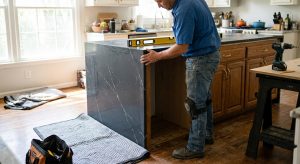
Beyond the planning stage, the actual installation of a waterfall slab demands caution and expertise. The heavier the material, the more critical it is to handle, align, and secure everything properly. As This Old House notes, precise miter cuts and seam alignments make the difference between a seamless, high-end look and an installation that appears less polished.
Tools and techniques
Installing a waterfall edge involves more advanced equipment:
- Laser levels: Ensure edges line up perfectly.
- Suction grips and padded carts: Keep large slabs steady during transport.
- Templating systems: Provide accurate measurements, reducing the risk of mistakes.
- Heavy-duty adhesives and mechanical fasteners: Add stability where the slab meets cabinetry.
Some homeowners might consider a do-it-yourself approach, but given the weight and potential for mishaps, you may find that professional installation is the most reliable route. If you are curious about risks associated with a DIY project, check waterfall countertop diy considerations for a direct comparison with professional services.
Handling and transportation
Waterfall countertops can weigh hundreds of pounds, especially with 3cm slabs. A 50-square-foot installation can easily exceed 1,000 pounds overall. Moving slabs of that magnitude often requires several pairs of hands and specialized lifting equipment. It also involves strategizing the safest path through your home to avoid collisions with doorways and corners.
Any jostling can cause chips and cracks, so an experienced fabrication team applies caution to protect the stone and adjacent structures. If the slab gets damaged mid-installation, proper repairs or complete replacement might be necessary, leading to project delays and extra costs.
Safeguard longevity with routine maintenance
Once installed, you want to keep your waterfall countertop looking impressive for years. Heavy stone or quartz might give you peace of mind about scratches and cracks, but routine upkeep remains essential. Keeping an eye on natural expansions or contractions in your cabinetry is part of ensuring the countertop’s stability.
Minimizing stress and preventing cracks
Over time, vibrations from everyday life—like opening and closing cabinet doors—can introduce minor stress points. You can mitigate potential cracking by:
- Tightening hardware periodically.
- Checking for hairline cracks or shifting in the slab seams.
- Maintaining consistent humidity levels in your home. Fluctuations in temperature and moisture can make wood supports expand or contract.
For more comprehensive tips, see waterfall countertop maintenance tips, which covers best practices such as sealing frequency for stone materials and cleaning methods that minimize long-term wear.
Compare cost versus benefits
While weight is a pivotal aspect of waterfall countertops, cost closely follows. More material typically translates to higher expenses. According to East Coast Surfaces, the labor, specialized equipment, and additional stone for waterfall edges can increase the price beyond what you would pay for a traditional horizontal countertop. You might pay up to $100 per square foot for installation, plus material costs ranging from $40 to $100 or more per square foot.
However, waterfall countertops can boost your home’s resale value and impart a striking, modern feel. For a deeper exploration of financial aspects, visit cost of waterfall countertop per square foot, where you can gauge how your investment might balance with aesthetic appeal and property value gains.
Balancing investment with functional gains
Though you do face a higher upfront cost, the advantages include:
- Additional protection for cabinetry sides, preventing scratches and scuffs.
- Visual continuity from countertop to floor, creating a sleek, contemporary aesthetic.
- Potential enhancement of property value, since many buyers are drawn to modern, upscale kitchens.
If you remain on the fence about whether the visual drama and durability outweigh the budget considerations, read waterfall countertop pros and cons. That article breaks down strengths and potential drawbacks in a concise manner, helping you decide if a waterfall design is right for you.
Consider professional installation
Due to the specialized nature of fabricating and installing a waterfall edge, you may find it beneficial to hire experts with extensive experience. Professionals can handle the precise miter cuts, ensure structural supports meet local building codes, and solve unexpected issues on the spot. If you want to learn more about working with specialists, read waterfall countertop professional installation for insights on what to expect from start to finish.
Align design with structural needs
Design does not just involve color and finish. It also involves ensuring proper structural alignment. One practical approach is rethinking your island or vanity dimensions to make the waterfall slab easier to transport and secure in place. That might mean slightly adjusting the island size so that the slab can be cut in more standard dimensions, minimizing seams or reducing the chance of stress fractures.
If your preference is for a modern, airy look where you incorporate elevated seating, you need to verify how the overhang will function. Seating typically introduces more direct weight on the countertop’s edge. If you want even simpler lines, you can review waterfall vs flush countertop design to see which concept fits your vision and structural limitations best.
Weigh the aesthetic and spatial impact
A waterfall countertop can serve as a luxurious focal point or might feel too imposing if your kitchen or bathroom is tight on space. If your layout is more compact, a large, monolithic slab might visually shrink the room. As Architectural Digest explains, waterfall edges can become overwhelming in smaller kitchens. Yet, that same drama can be perfect for creating a statement piece in open-concept or spacious settings.
Pairing your style with practicality
Besides sizing, consider your kitchen’s or bathroom’s overarching style. Waterfall edges generally lean contemporary or modern. If your space is more traditional, the strong horizontal-vertical lines might clash. However, transitional spaces can often merge classic and modern elements if curated well. For fresh inspiration, you could explore waterfall countertop design trends to see how designers are applying creative touches like mixed materials or contrasting colors.
Explore material weight comparisons in a table
To help you visualize the approximate weight of different materials at a 3cm thickness, here is a simplified reference table, adapted from industry data:
| Material | Approx. Weight per sq. ft. | Typical Attributes |
|---|---|---|
| Quartz | 20–25 lbs | Non-porous, scratch-resistant, modern looks |
| Granite | 18–25 lbs | Heat-resistant, durable, natural stone variations |
| Marble | 15–20+ lbs | Luxurious look, more maintenance needed |
| Solid-Surface | ~15 lbs or more | Can be lighter, but less high-end than natural stone |
Keep in mind, variations in specific stone density, brand, and finishing can influence the exact numbers. Still, these figures give you a general benchmark.
Maximize durability with proper support
When you are aiming for a premium waterfall countertop, you want it to last. Addressing weight distribution, adding reinforcements, and ensuring professional installation can give you the peace of mind that your new countertop is as sturdy as it is beautiful.
Reinforcement strategies
To maximize durability:
- Use angle brackets or corbels under seating overhangs.
- Verify that your substrate is even and level, especially where the waterfall meets the floor.
- Ask your fabricator about specific anchor points to keep vertical panels firmly in place. Adhesives alone may not suffice in high-traffic areas.
Maintain your waterfall countertop
Your countertop’s longevity depends on consistent cleaning and occasional resealing. Some stones, such as granite and marble, require periodic sealing to ward off moisture and stains. Quartz generally does not need sealing, but routine cleaning and avoiding harsh chemicals remains important.
Daily cleaning tips
- Wipe spills immediately to prevent staining, especially on marble.
- Use mild soap or a stone-specific cleaner for everyday wiping.
- Avoid abrasive scrubbers that can dull the finish.
For a deeper dive into longer-term care, see waterfall countertop maintenance tips. You will find information on polishing, resealing schedules, and best practices to keep your countertop looking fresh.
Real-world perspective on weight
Walking through these details may feel like a lot to absorb, but the outcomes are well worth the effort. When you stand back and admire the dramatic drop of your countertop from the island to the floor, you will appreciate the extra planning. The knowledge that your countertop is structurally sound can make you feel more confident hosting friends or enjoying daily family life in a beautiful, functional space.
Industry professionals, such as Baruchi Kitchens, emphasize the importance of factoring in load distribution and stable support structures. Without these, even the highest-quality materials can suffer over time. By aligning your design vision with thorough preparations, you can secure a waterfall countertop that remains steadfast and stylish.
Frequently asked questions
-
How much support do I really need for a waterfall edge?
Your support needs depend on factors like material, slab thickness, and overhang size. Generally, it is best to reinforce cabinet corners and use mechanical fasteners. You may also want corbels or brackets under extended seating areas to ensure stability. -
Are waterfall countertops too heavy for my floor?
Most residential floors handle the weight of standard countertops, but a waterfall edge adds extra load. If your home is older or you have concerns, consult a structural engineer. Reinforcements like additional flooring joists can resolve potential issues. -
How does thickness affect the total weight?
A 3cm slab can weigh significantly more than a 2cm slab. While 3cm offers a luxurious look, remember that this also means greater strain on your cabinets and floor. Thicker slabs often look more premium but require extra installation precautions. -
Do I need professional installers for a waterfall countertop?
Professional installation is highly recommended. Waterfall designs demand precise miter cuts, heavy-lifting equipment, and a thorough understanding of load distribution. Mistakes can be costly to fix, and professionals can address issues as they arise. -
Do heavy waterfall edges crack more easily?
The weight itself does not necessarily cause cracks if the countertop is properly supported. Cracks typically result from poor installation, uneven floors, or insufficient cabinet support. Routine checks and occasional tightening of fittings can help you prevent stress fractures over time.
Designing a waterfall countertop is about more than creating a striking focal point. When you consider how much weight your countertop holds and plan accordingly, you form a stable foundation that can stand up to daily use. By balancing aesthetics and structure, you can achieve a gorgeous feature that not only elevates your space but also endures for years to come.
If you still have questions on the benefits or potential pitfalls of waterfall countertops, hop over to waterfall countertop pros and cons. And when you are ready to invest in a stunning, long-lasting centerpiece for your kitchen or bathroom, keep these waterfall countertop weight considerations at the forefront of your planning process. The final outcome is a premium statement piece you can take pride in—one that seamlessly blends cosmetic flair with long-term resilience.