Understand waterfall countertop installation risks
Choosing a waterfall countertop can be a transformative upgrade, giving your home a sleek, contemporary look and adding a durable work surface that stands up to daily use. However, it is essential to know about waterfall countertop installation risks before you commit to such a significant project. By staying informed, you can avoid costly missteps and enjoy the full benefits of premium quartz, marble, granite, or other solid-surface materials. You will also be better equipped to decide if a waterfall design is right for your kitchen island or other installations.
Waterfall projects, at first glance, may seem straightforward. After all, the concept is relatively simple: extend the countertop material down the side to the floor. Yet, hidden complexities—like weight requirements, seam placement, and material brittleness—can impact both the look and longevity of your new surface. By balancing style with caution, you set yourself up for a more successful remodel.
Planning thoroughly allows you to address these unique challenges from the outset. With a measured approach, you can secure premium stone slabs, manage structural considerations, and budget for expert installation. Ultimately, the goal is to avoid the pitfalls that sometimes accompany waterfall countertop installations, ensuring your new kitchen centerpiece will serve its purpose for years to come.
Examine material considerations
One of the first steps in choosing a waterfall countertop is deciding on the ideal material. If you are leaning toward quartz, for example, you may already be aware of its non-porous nature and minimal upkeep. However, every material—from quartz to marble and granite—has its own risks and advantages when serving as a waterfall design.
- Quartz: Engineered for durability, quartz countertops handle scratches well. They can resist staining and provide consistent patterns. According to research, though, quartz can crack from sudden temperature changes or prolonged exposure to direct sunlight (Petros Stone). Additionally, improper support can lead to sagging on large islands. If you are curious about quartz’s resilience, see waterfall countertop quartz durability.
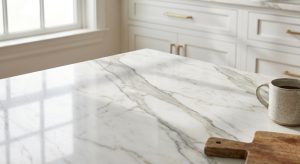
- Marble: Known for its luxurious veining, marble imparts a timeless aura. However, it is softer than other stones and can develop scratches or etching with acidic substances. Keeping it sealed is essential. For a deeper look at how marble delivers elegance, consider reading waterfall countertop marble elegance.
- Granite: Renowned for longevity, granite handles heat well and is resistant to chips and cracks (Tile & Stone Works). Still, it should be sealed properly to minimize the chance of staining. Learn more about granite’s stain resistance at granite waterfall stain resistance.
- Solid surfaces: Materials such as acrylic-based surfaces can be easier to mold and repair. Yet, they may not resist high heat as effectively as granite or quartz. Thermal shock remains a factor in daily use, especially around cooktops.
Different materials require varying support, labor, and sealing processes. If you feel uncertain about the right choice for you or a loved one, remember that balancing aesthetics with functionality is the cornerstone of a successful waterfall countertop project. This careful selection helps you address waterfall countertop installation risks ahead of time.
Prepare for structural demands
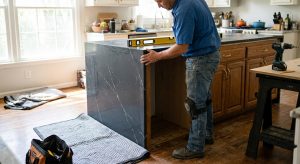
After choosing your stone or surface material, the next critical aspect involves preparing for the load your waterfall countertop will place on your cabinets and floors. Kitchen islands, in particular, often need reinforcement to accommodate the added weight of a continuous slab that extends vertically. If corners, overhangs, or edges receive insufficient support, sagging or chipping could develop over time.
-
Cabinet Construction
Check the cabinet structure below your planned waterfall. Certain cabinets can hold extended countertop material, but you may need extra brackets or heavier-duty framing. If your design includes an overhang of more than 12 inches, installing support brackets becomes vital to prevent bowing, as abrupt dips can accrue over the years (Petros Stone). -
Floor Load
The floor beneath your island should be sturdy enough to withstand an increase in weight. Materials like granite can be heavier than quartz, especially when used as a waterfall design. If you are interested in this topic, you might also read waterfall countertop weight considerations. -
Seams and Joints
Seam placement is integral to a seamless look. Where two pieces meet, the risk of chipping or developing hairline cracks can increase if the joint is near a high-use area. An experienced installer can minimize and correctly position these seams, or better yet, fabricate a single large slab if you have a smaller island footprint.
Verbose design elements like cabinetry accent lighting or built-in stovetops can complicate the installation further, as utility lines must be routed carefully. According to BK Ciandre, extending plumbing or venting to a freestanding island is no small feat. Factor these complexities into your planning so you do not find yourself underestimating scope and cost. You might also benefit from exploring guides like waterfall countertop support requirements before finalizing your design.
Evaluate cost factors
A waterfall countertop can demand a higher budget than a standard countertop and cabinetry setup. The continuous slab that drapes over the edge typically requires more material, additional fabrication, and extra labor. According to information from Caesarstone US, stone slabs for a waterfall design can range from $40 to $100 and beyond per square foot. The Computer Numerical Control (CNC) fabrication process can run you an extra $2,000.
Key components that contribute to the cost include:
- Material Grade: Exotic or high-density granite, quartz, and marble designs tend to carry a higher price tag. While you might save with standard granite or more commonly produced quartz, premium varieties will increase your total.
- Fabrication Complexity: Cutting and polishing edges for a graceful transition from horizontal to vertical requires advanced skill or machinery. Edging styles can vary in cost; see waterfall countertop edge styles for design possibilities.
- Installation Time: Professional installers invest substantial time ensuring perfect alignment and seam concealment. Each additional detail, such as integrated lighting or a waterfall backsplash, leads to extra labor. For more on using consistent countertop materials in a backsplash, consider reading waterfall backsplash waterfall continuity.
Though the expenses can add up, it is worth noting that premium surfaces—including quartz, marble, and granite—often deliver long-term value. Quartz is known for minimal future upkeep, and granite has high heat tolerance, both of which can offset initial costs. Should you need a deeper breakdown of per-square-foot pricing, visit cost of waterfall countertop per square foot. A realistic budget, paired with clear project timelines, helps minimize unwelcome surprises after you commit to installing a waterfall countertop.
Incorporate essential safety measures
Installing a waterfall countertop is not merely an aesthetic choice; it also affects how you and your loved ones use the space day-to-day. From a safety perspective, you want to ensure a stable structure that can handle typical kitchen tasks. Beyond checking structural strength, consider a few lesser-discussed safety concerns:
- Handling Large Slabs
Transporting and maneuvering a substantial stone slab requires protective gear and expertise. Heavy countertops pose a risk of injury if not handled correctly. A 2-cm or 3-cm-thick piece of engineered quartz, for instance, can tip the scales quickly, making professional installation safer. - Childproofing and Edges
Waterfall edges create a sharper vertical corner than standard island designs. If small children frequently move around your kitchen, you may wish to consider rounding the edges. Contemporary rounded waterfall edges still maintain a modern appearance, while reducing the chance of accidental bumps. - Thermal Dynamics
Because some slabs (like quartz) can be more sensitive to extreme heat, place heat-resistant pads on your waterfall ledge, especially if it acts as a serving station for hot dishes. Granite is usually resilient, yet caution remains wise to reduce the potential for micro-cracks or discoloration over years of use.
A well-prepared environment with the necessary protective measures will help ensure your waterfall design stands firm. By proactively handling these concerns, you can continue enjoying your kitchen without constantly worrying about unexpected mishaps or repairs.
Consider professional help
Although some homeowners might contemplate a do-it-yourself approach, the intricacies of a waterfall installation can be daunting. A single miscalculation can lead to misaligned seams, cracks, or even structural issues that compromise the entire project. If you are thinking about going the DIY route, read waterfall countertop diy considerations to understand what you will face.
- Precision and Skill
Experienced stone fabricators use specialized tools to cut shapes with accuracy. They also apply industry-proven methods to minimize seam visibility. If you are investing in a premium material, you will want equally skilled craftspeople—especially if you desire a truly seamless waterfall. - Reducing Liability
Employing insured installers helps safeguard you against unforeseen accidents and costly damages. If a worker is injured or your slab shatters during installation, professional coverage usually protects you from hefty repair or legal bills. Look for an established reputation; for insights on credibility, see waterfall countertop installers reputation. - Quality Assurance
A professional team often tests the countertop layout in a workshop before final cutting. This setup ensures that all measurements are precise. By playing it safe, you avoid last-minute complications—such as discovering your floors slope more than you realized or your cabinet base is misaligned.
Above all, a professional installation often includes a warranty or guarantee on workmanship. This extra assurance can be especially welcome if you are concerned about the longevity of your investment. In high-end projects, an installer’s expertise can make the difference between a continuously smooth waterfall surface and an uneven one full of hairline cracks.
Maintain durability over time
Even after you have taken every precaution during planning and installation, ensuring that your waterfall countertop remains in excellent condition requires ongoing management. The level of maintenance varies based on the type of stone you selected. Though quartz is largely stain-resistant and marble exudes luxury, both may need specific care routines to stay pristine and attractive. For a detailed guide, consider exploring waterfall countertop maintenance tips.
- Sealing Practices: Proper sealing is crucial for natural stones like granite and marble. According to Tile & Stone Works, many granite slabs are factory-sealed with penetrating epoxy resin, and you can further maintain this protective layer with high-quality sealants such as Miracle Sealants Porous Plus 511. Marble may benefit from more frequent resealing to reduce staining and etching.
- Gentle Cleaning: Warm water, mild dish soap, and soft cloths typically work well on quartz, granite, and marble. Abrasive cleaners can envelop the surface with micro-scratches—particularly on marble and certain solid-surface materials. For daily use, specialized stone cleaners can help preserve the finish. You can also check for brand-specific formulas that guarantee compatibility with your chosen countertop.
- Avoiding Heavy Impact: Even engineered quartz, while robust, is not immune to chips if struck by a heavy object at an unfortunate angle. It is advisable to place cooking tools, cast-iron pans, and other weighty items gently onto the surface to prevent cracks. If corner chipping is a particular concern for you, a waterfall design with slightly rounded edges can reduce vulnerability.
Routine attention to these maintenance steps assures that your waterfall countertop sustains its visual impact. Beyond vanity, preserving the health of the material defends your investment and allows you to focus on the daily joys of cooking, hosting, or simply relaxing in your new, stylish kitchen. If you are curious about balancing style with everyday practicality, review waterfall countertop pros and cons.
Increase design versatility
One of the appealing qualities of a waterfall countertop is how it can adapt to different home styles. While modern and contemporary kitchens remain prime targets for this design statement, you can experiment with transitional or even industrial aesthetics. If you have an ultra-minimalist home, pairing the waterfall edge with handle-free cabinets ensures a sleek, cohesive look (Caesarstone US).
Still, if your home is firmly traditional, a waterfall might seem out of place. Blending it with vintage cabinetry or classic tile may require careful design. You can research finishing touches like decorative hardware or complementary backsplashes that soften the modern lines. Browsing curated inspirations at waterfall countertop design trends or quartz waterfall waterfall design could provoke creative ideas.
When properly designed, a waterfall feature not only provides visual impact but also offers function. It can shield cabinetry sides from scuffs and give the kitchen island a focal point. Additionally, continuing the same slab along the sides of the island contributes to an uninterrupted flow, giving your kitchen a neater, more spacious feel.
Plan for future changes
No matter how perfect a new countertop seems today, you might refresh your cabinetry, appliances, or layout in the future. With a floor-to-ceiling slab, you will likely face extra steps if you later decide to remove or replace the waterfall panel. If you anticipate an upcoming renovation, consider whether you want to invest heavily in a custom waterfall piece that might be challenging to reconfigure later.
- Appliance Upgrades: Larger appliances sometimes demand more countertop cutouts or reconfigured island space. This can be more complicated once you have large solid slabs installed.
- Cabinet Makeovers: Replacing or refacing cabinets becomes trickier when the waterfall design touches the sides. Removal often involves carefully detaching the countertop slab from the vertical panel, which can add cost and time.
- Potential Relocation: If you anticipate moving within a few years, you may wish to think about the broad market appeal of a waterfall feature. A well-designed kitchen typically raises home value, but specialized styles do not fit everyone’s aesthetic.
Keeping future adaptability in mind helps you weigh short-term tranquility against long-term flexibility. If or when you decide a new direction is best, check waterfall countertop replacement guidance to see what that process might look like.
Reap the benefits of premium stone
When done correctly, a waterfall countertop can truly elevate your space. Premium stone—quartz, marble, or granite—radiates elegance and stands the test of time. Quartzite, for instance, provides the durability of quartz while maintaining a natural stone look (Cutting Edge Countertops). In general, each stone type can suit different needs:
| Stone Type | Key Strengths | Potential Drawbacks |
|---|---|---|
| Quartz | Non-porous, low maintenance | Can crack from extreme heat changes |
| Marble | Luxurious, unique veining | Softer, prone to scratches/etching |
| Granite | Heat-resistant, high resilience | Requires periodic sealing |
| Quartzite | Natural stone, robust durability | Often more expensive than standard quartz |
| Solid-Surface | Easy to mold and repair | Less heat-tolerant than natural stones |
Because your kitchen often serves as a central gathering hub, a waterfall countertop is more than just another fancy design. It can be a statement about refinement, craftsmanship, and your dedication to developing a supportive environment where friends or family feel comfortable. By proactively addressing the known waterfall countertop installation risks, you put yourself in a position to enjoy a seamless, stunning configuration that holds up for years.
FAQs
-
Is a waterfall countertop expensive to install?
Installation costs generally exceed those of a regular kitchen counter. You will pay more for materials—some slabs can cost over $100 per square foot—and may invest an additional $2,000 for specialized fabrication (Caesarstone US). If you would like a clear picture of overall spending, see cost of waterfall countertop per square foot. -
Can I do a DIY waterfall countertop?
A do-it-yourself approach is possible but risky. Waterfall designs often require precise measurements, heavy lifting, and specialized cutting. DIY mishaps could result in costly damage, so it is wise to consult an experienced installer if you are unsure. For more details, check waterfall countertop diy considerations. -
What happens if my cabinets cannot handle the extra weight?
Insufficient support can cause sagging, separation at the seams, or outright slab fractures. Reinforcing cabinets or flooring is often necessary, especially for heavier stones like granite. A professional assessment will identify any modifications you need. -
How do I minimize visible seams on a waterfall slab?
Seam placement is crucial. Fabricators often recommend placing seams away from high-traffic corners. Some opt for a full slab if the island size permits. Skilled installers can use color-matched resin to make seams less noticeable. -
Will a waterfall edge make my kitchen look too modern?
Waterfall edges are typically associated with contemporary or modern designs. However, a thoughtful blend of hardware, backsplash choices, and cabinet finishes can integrate a waterfall edge into transitional or eclectic styles. If you are looking for more design insight, see waterfall countertop design trends.
Ultimately, choosing a waterfall countertop is about balancing creativity with caution. By focusing on the risks—material suitability, structural requirements, cost, and safety—you can plan thoroughly and lessen the chance of unexpected issues. The result is a timeless, elegant addition to your home that highlights your personal taste in a way that is both supportive and welcoming for all who gather. If you decide to move forward in your own kitchen or encourage a loved one to upgrade, premium stone waterfall installations offer a blend of visual wonder and enduring functionality that can make everyday moments feel more luxurious.