Discover waterfall backsplash continuity
When you imagine the ideal kitchen, you likely picture a space that feels both connected and refined. One of the most innovative ways to achieve this effect is by embracing waterfall backsplash waterfall continuity, where the countertop’s material extends seamlessly down the sides of your island or cabinets. This approach highlights the natural beauty of premium stone surfaces and ensures that all focal points work together for a continuous, sophisticated look.
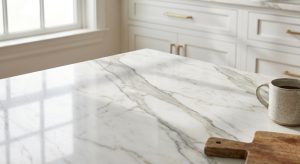
At its core, a waterfall design cascades countertop material like a stream, descending over the edge and down to the floor. When paired with a matching backsplash, that sweeping effect flows upward as well. By visually aligning these elements, you create a striking centerpiece that can be admired from all angles. Whether you plan to install quartz, marble, granite, or any solid-surface material, a waterfall countertop and matching backsplash can offer a powerful sense of harmony.
Feeling confident in your final decision can hinge on recognizing not only the aesthetic benefits but also the functional ones. Understanding how a waterfall design strengthens the continuity of your kitchen, exploring different material options, and anticipating potential challenges will help you prepare for a smooth and rewarding renovation experience. In what follows, you will find both detailed insights and practical advice to guide you through every step.
Recognize advantages of waterfall design
A waterfall layout involves extending the surface material from the countertop down the sides of an island or cabinetry, forming what appears to be a vertical “wall” of the same stone or solid surface. When complemented by a matching backsplash, you heighten that sense of flowing uniformity. This design choice is about more than looks. Consider the following advantages:
-
Creating a unifying focal point
A continuous material running from the countertop to the floor helps unify the overall room, tying cabinetry, backsplash, and countertops into a single visual. This alignment can be especially beneficial in open-concept layouts, where consistent material usage makes the kitchen area feel more expansive. The “waterfall” edge acts like a piece of sculpture, inviting you and your loved ones to experience the kitchen from multiple angles. -
Adding protection and durability
Waterfall countertops are typically constructed from highly durable materials, such as quartz, natural stone, or solid-surface compounds. The vertical slab extension guards cabinetry against bumps and scuffs, a practical benefit for high-traffic areas. According to experts in modern kitchen design, these extended edges can help protect the underlying structure from everyday wear (Marble Granite World). -
Enhancing resale value
Kitchens with waterfall features stand out in the real estate market for their contemporary appeal. Such design statements often become talking points for potential buyers, adding perceived value. A well-executed waterfall design demonstrates taste and attention to detail, suggesting the entire renovation has been done thoughtfully. -
Supporting multiple styles
Waterfall countertops and backsplashes are not exclusively for ultra-modern kitchens. While they do add sleekness, they also blend well into transitional or even rustic spaces, depending on the chosen materials. For example, wood waterfall islands can exude warmth, while marble can convey classic elegance.
Choosing a waterfall design, especially with backsplash continuity, creates a visually powerful space. By appreciating these advantages, you can embrace a design decision that elevates your kitchen’s beauty and function.
Choose from premium materials
Selecting the right material for your waterfall countertops and backsplash is one of the most crucial steps in ensuring overall satisfaction and long-term success. Consider these premium choices:
Quartz
Quartz stands out for its non-porous nature, which enables it to resist stains, scratches, and moderate heat. That resilience makes quartz a leading contender for waterfall kitchens. It also offers consistent patterns or veining options, allowing you to create a cohesive, uninterrupted “wall” effect. Contractors often recommend quartz for its easy upkeep and seamless appearance (Caesarstone).
- If you want a long-lasting, low-maintenance installation, explore our insights on waterfall countertop quartz durability. You will gain further clarity on why quartz might be the best fit for both your aesthetic and practical needs.
Marble
Marble exudes luxury and sophistication. Specific varieties, such as Carrara or Calacatta, are known for their distinctive veining, which can transform any kitchen into an elegant showpiece. However, marble does scratch more easily than quartz or granite, and it is more porous too, so it requires regular maintenance. For a deeper look at the refined qualities of this material, explore waterfall countertop marble elegance or consider learning more about marble waterfall luxury aesthetics.
Granite
Granite has been a perennial favorite among homeowners who appreciate its heat resistance and robust strength. With the countless color and pattern variations available, you can easily find a design that blends with your kitchen’s existing palette. If you want to compare its resilience to other materials, consider reading more about granite waterfall stain resistance or waterfall countertop granite benefits.
Solid-surface materials
Although quartz, marble, and granite often dominate discussions, materials like acrylic-based solid surfaces—Corian, for instance—can work wonderfully for certain lifestyles. These can be easier to repair if dings occur and can be shaped into stunning waterfall designs without visible seams.
As you weigh your options, keep in mind that personal preference and budget are both important. Certain materials come with higher installation expenses due to the precision work required for a waterfall. Weigh your desire for eye-catching uniqueness against practicality and maintenance requirements. By understanding the nature of premium materials, you or your loved one can make a choice that genuinely enhances day-to-day life and remains beautiful for years.
Establish a seamless approach
Beyond choosing stone or surface material, achieving a true sense of waterfall backsplash continuity requires a holistic approach. Here is how to unify each part of your kitchen for the strongest visual impact:
Align your countertop and backsplash
Aim to extend the same countertop material from the kitchen island or main counters right up the wall. By continuing the veining or pattern, you create a cohesive background that ties your entire cooking space together. This approach also means that the countertop, vertical waterfall edges, and backsplash appear as one continuous surface, encouraging a calming flow.
- Make sure your measurements are exact: waterfalls, by design, call for precise corners to avoid unsightly gaps or misaligned edges.
- Keep the backsplash leaning toward minimalism if you want to spotlight veining or unique stone patterns. A busy tile might clash with the counter’s natural textures.
Pay attention to edge profiles and overhang
A seamless look is not only about color or pattern. How edges meet can drastically alter the design’s continuity. Whether your style leans modern or traditional, it helps to match the countertop’s edge profile with the overall space. For a sleeker vibe, a clean mitered edge can hide joints effectively. Overhang can also serve a purpose, such as tuck-under seating. Choose an overhang size that aligns with your island’s use. If you plan to add a small breakfast area, you might extend the counter slightly more.
Coordinate the entire color palette
Waterfall countertops often draw the eye, so ensure the rest of your kitchen complements, rather than competes with, these features. Pick cabinet colors that accentuate the stone or surface tones. For instance, if you have a high-contrast marble with pronounced veining, simple cabinet colors help keep the spotlight on the waterfall effect.
By focusing on transition points—where the countertop flows down the edges, extends across the backsplash, and meets your cabinetry—you create a design that looks intentional from every angle. The result often evokes a sense of unity and calm, supporting anyone stepping into the kitchen with immediate visual reassurance.
Address key considerations
While a waterfall design promises elegance, each space is unique. Evaluating several factors in advance can smooth your project:
Maintenance needs
Different materials demand different upkeep. Quartz is known for its easy care, whereas marble can be more demanding in the long run. If you lead a busy life or prefer minimal fuss, quartz is a reliable, low-maintenance pick. Should you still be intrigued by the smooth texture and veining of marble, plan for protective sealers and gentle cleansers, and read up on waterfall countertop maintenance tips for deeper insights.
Potential installation risks
Installing an intricate waterfall design requires specialists trained in precision cuts, correct support, and accurate alignment of stone patterns. If anything is off, the resulting seams might break the illusion of a continuous flow. For a balanced overview of challenges you might encounter, take a look at waterfall countertop installation risks.
Budget planning
Because a waterfall design extends material usage down the sides, you will buy and fabricate more stone or surface area than you would with a standard countertop. The actual square footage of material is higher, and specialized labor can drive costs upward as well. To help you understand these factors, review the cost of waterfall countertop per square foot. Keep realistic expectations so you do not feel surprised when you see project quotes.
Weight and structural support
Stone, especially granite or marble, can be heavy. Ensure that your foundation and cabinetry can safely support the weight of tall vertical slabs. You may need additional plywood substructures or metal braces to keep everything stable. For deeper insight, check out waterfall countertop weight considerations.
Staying aware of these considerations helps you plan a waterfall backsplash continuity project that stands the test of time. With thoughtful preparation, you can trust that this major investment will remain both stunning and functional throughout daily life.
Explore installation and cost
Undertaking a waterfall project involves multiple moving parts, from precise template measurements to final polishing and sealing. Here is a closer look at what to expect:
Preparing for installation
-
Initial consultation
The fabricator or contractor will measure your kitchen to create a digital or physical template. You will discuss edge styles, overhang, and other significant details. -
Material selection
Your choice of stone or solid-surface, along with color and pattern, needs to be finalized so that your team can source the necessary slabs. If you opt for quartz, you will likely have a consistent pattern. For naturally veined surfaces, an experienced fabricator will “book-match” slabs so the veining lines up gracefully at the edges. -
Cutting and fabrication
High-precision technology, such as CNC machines, often ensures tight-fitting seams for the waterfall edges. Fabricators pay close attention to matching veining across edges to preserve that sense of endless flow (O’Hanlon Kitchens). -
Support systems
Before installation day, the space beneath the counters must be braced appropriately. This step might include extra supports for corners or metal rods installed under the cabinetry to handle the slab’s weight. -
Final fit and finish
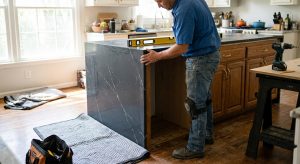
Pieces are carefully carried into position, joined with adhesives, and polished to blend the seams. Once installed, any backsplash additions further lock in that sense of unity. If it is a full-height slab backsplash, it is typically put in place after the horizontal slabs are secure.
Projected expense
Costs vary widely, depending on:
- The overall kitchen footprint
- Chosen stone (quartz, marble, granite, or solid-surface)
- Complexity of the desired edges and overhang
- Custom touches (for instance, built-in lighting or integrated shelving)
Quartz and granite materials often range from about $40 to $100 per square foot, with labor sometimes hitting $100 per square foot or more, especially if matching highly detailed patterns (Caesarstone). Marble tends to occupy a higher price point, especially for premium varieties. Additionally, if your design calls for advanced fabrication or large slabs, the budget can rise substantially. Always be prepared for the possibility of paying extra for specialized detailing, such as an elaborate edge profile or unique cutouts for sinks and cooktops.
A well-chosen waterfall installation can yield a timeless statement piece for your home. By understanding the level of precision and resources required, you will be in a solid position to navigate each phase with clarity and confidence.
Embrace design versatility
One of the more empowering aspects of installing a waterfall countertop and matching backsplash is the potential for personal expression. Far from a one-size-fits-all approach, these features let you adapt to diverse preferences. Below are ways to infuse individuality into your layout:
Integrate seating
A waterfall island often doubles as a casual dining niche or coffee bar. Simply extend the countertop an extra few inches (or more) to accommodate bar stools. This design trick creates a unified, multipurpose surface. If a contemporary look is your goal, a crisp and overhung quartz slab might be all you need. Alternatively, pair marble’s refined lines with plush seating for quieter elegance.
Mix and match materials
Consider combining wood accents with your primary countertop material. A portion of the island might reveal warm wood grains, while the waterfall edges remain stone. Such creative touches capture a sense of layered style. According to design-focused sources, pairing wood with more industrial elements, like concrete or quartz, achieves a modern-yet-homey feel (Sweeten).
Coordinate backsplash design
Even though a fully matching backdrop is the hallmark of “waterfall backsplash continuity,” some homeowners prefer to match the island waterfall while using a slightly different pattern on the main wall. In doing so, you still preserve consistency but suggest visual variation. If you keep the color palette close, you can achieve a layered effect that feels sophisticated rather than disjointed.
Incorporate lighting and shelving
For dramatic flair, consider recessed LED strips tucked beneath the overhang. That glow emphasizes the continuous lines and adds ambiance to the kitchen. Floating shelves on an adjacent wall, finished in the same surface material, echo the continuity that the waterfall introduces. Small touches like these often make your design more memorable.
From the get-go, a waterfall design beckons you to unify various components, whether it’s lighting, fixtures, or your island’s function. Thoughtful customization ensures your kitchen not only looks good but feels personal, supporting you and your loved ones with features tailored to daily life.
Strengthen modern comforts
The waterfall style, particularly when continued through a coordinating backsplash, has become something of a modern classic. While it delivers high-impact aesthetics, it also meets the demands of today’s fast-paced lifestyle with:
-
Easy cleaning
A continuous surface means fewer seams and crevices for crumbs to get stuck, enhancing hygiene (Lily Ann Cabinets). Simple wipe-downs suffice for regular maintenance, especially if you select a non-porous material. -
Open, airy feel
The visual effect of a slab that “waterfalls” to the floor can make a room appear larger. Similarly, a seamless backsplash extends that sense of height, brightening the kitchen and directing the eye upward. Light-colored stone can further amplify this spaciousness (Marble Granite World). -
Defined zones
In open-concept homes, a prominent waterfall island subtly separates cooking, dining, and living areas—without resorting to walls or bulky dividers. This gentle zoning technique helps the kitchen retain an inviting, social atmosphere. -
Natural or engineered synergy
Whether you lean toward the organic movement of natural granite or the considered pattern of engineered quartz, the waterfall approach showcases your chosen material’s beauty. Because the sides are so visible, every veining detail or subtle shimmer can shine.
This style aligns nicely with the modern emphasis on flow, openness, and practical efficiency. It is no wonder it has grown in popularity since the early 2000s. And given its timelessness, many designers predict it will remain in demand for decades to come.
Consult pros when necessary
Because of the precision required, you will often want to enlist a skilled contractor or fabricator who has experience with waterfall edges. Here are some thoughts on seeking expertise:
-
Industry reputation
Look for professionals with a track record of success in advanced countertop designs. Scanning photos of their work and reading testimonials can offer a sense of their capabilities. -
Equipment and technology
Fabricators employing CNC cutting technology can produce more exact edges, which is critical for that continuous line effect. Clarify whether your provider uses high-precision machinery to reduce the margin of error. -
Licensing and insurance
Accidents may happen when moving and cutting heavy stone, so confirm that the business has adequate coverage. This assures you that if something unexpected transpires, you will not be left with the financial burden of repairs. -
Future upkeep and support
A reputable installer will also furnish you with care instructions. Knowing exactly how to seal, clean, or polish surfaces can preserve that crisp waterfall look. Consider reading waterfall countertop professional installation to see why expertise matters in securing the best outcome.
When it comes to remodeling, knowledge is power. Understanding your contractor’s approach, their safety measures, and post-installation support can alleviate anxieties, offering you peace of mind throughout the process.
Find clarity in FAQs
Below are five frequently asked questions to help you address any lingering uncertainties. Each question drills down to the practical side of adding a waterfall backsplash continuity design to your home.
-
Will a waterfall design fit in a small kitchen?
Absolutely. Contrary to the assumption that islands are only practical in large spaces, a well-designed waterfall island can enhance the sense of openness in a compact kitchen. By extending the countertop material down the sides, you reduce visual clutter, making the area seem tidy and more spacious (Backsplash). -
Is a waterfall countertop safe for high-traffic households?
Yes. High-quality quartz, granite, and similar surfaces handle daily activity well, and the vertical slab protects cabinet faces from scuffs. You may need to add extra structural support if the material is quite heavy. Reviewing waterfall countertop support requirements can help you plan accordingly. -
How often should I reseal my waterfall countertop?
That depends on your chosen material. Non-porous quartz never requires sealing, whereas granite or marble might need service every 12 to 24 months. Consult your fabricator or reference waterfall countertop maintenance tips for specific guidance. Neglecting sealing schedules can lead to staining or other damages. -
Does the installation process take longer than a standard countertop?
Typically, yes. Cutting, matching, and positioning extra panels for the waterfall edges adds complexity. Precision is key, so expect a longer wait, especially if you choose veined materials that must be aligned. If timing is a concern, speak with multiple contractors about their scheduling. Also determine whether there are challenges with your layout or potential shipping delays for your selected stone. -
Is it easy to change or replace a waterfall island in the future?
Removing and replacing a waterfall installation can be more involved than a standard countertop because of the extensive slab coverage. If you anticipate future remodels, read waterfall countertop replacement guidance to plan effectively, and be prepared to work with a skilled professional to dismantle and re-fabricate a new look.
Reflect on your investment
Choosing a waterfall design that merges countertops with backsplash continuity is not just a means to achieve a breathtaking focal point. It is also a statement about craftsmanship, attention to detail, and your lifestyle. By selecting premium materials—be it quartz, marble, granite, or another surface—you and your loved ones can enjoy a fresh sense of harmony in the heart of your home.
Every step of this journey, from the initial planning phase to final polishing and maintenance, can be approached with confidence when you familiarize yourself with the basics. Achieving seamless elegance might require some extra attention to measurement, edge matching, and budgeting, but the payoff in style and practicality is substantial. As you move forward, remember that a trusted installer can offer the guidance, skill, and reassurance necessary to transform your vision into a reality.
Ultimately, the choice to invest in a waterfall countertop and backsplash fosters an environment that is both comforting and uplifting. That continuous material flow encourages an open, modern atmosphere—much like a gentle cascade of water that reinvigorates your kitchen. By following the guidelines outlined here, you give yourself every opportunity to create a space that unites form and function, a place where daily routines feel a bit more special, and where gatherings flow just as naturally as your new countertops do.