Whether you are redesigning your kitchen or building a new one from scratch, exploring waterfall countertop edge styles can feel both exciting and a bit overwhelming. You want something that not only stands out aesthetically, but also offers the supportive environment and comprehensive craftsmanship you deserve for lasting enjoyment. By choosing a waterfall edge for premium quartz, marble, granite, or solid-surface materials, you can elevate your space with a timeless statement piece. In this article, you will discover what makes these styles so special, learn about their benefits, and uncover how to select the right option for your needs. From cost considerations to long-term maintenance, the following sections aim to guide you through each unique challenge, providing the support necessary for making a confident decision.
Discover waterfall countertop styles
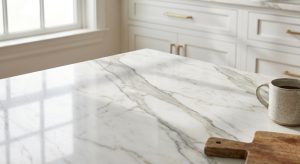
Waterfall countertop styles take your countertop material and extend it vertically down the sides of cabinets or an island, creating an unbroken flow that resembles a cascading waterfall. This feature not only looks dramatic, but it also offers extra protection for cabinets and floors. Even if you are just starting to explore these options, it helps to understand a few foundational details behind this approach. Many homeowners find that a waterfall edge style strikes the right balance between modern design, comprehensive care for the underlying structure, and a streamlined appearance that can suit almost any décor.
Understanding the basics
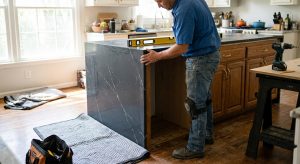
A waterfall edge typically relies on a precise mitered joint where the top countertop meets the vertical piece. With this approach, the corner must be cut at a 45-degree angle so that the two pieces fit neatly together. When done correctly, the seam is nearly invisible. This technique is best accomplished by experienced fabricators, as it demands a thorough, individualized plan for cutting and fitting the materials. Skimping on fabrication quality may lead to chipped corners or cracks.
- A waterfall edge can protect your cabinets and floors from spills or frequent foot traffic.
- The extended vertical surface also showcases the clarity, pattern, and color of your chosen material.
- Thicker slabs or laminated edges may be used to create a bold statement, although these approaches can add to the overall expense.
When you want a truly modern, open-concept design, a waterfall edge can serve as the focal point of your kitchen. Additionally, if you have family members or guests who gather around a kitchen island frequently, a dramatic countertop extension ensures your space feels both inviting and distinct.
Materials that enhance waterfall edges
When considering a waterfall edge, you may gravitate toward premium materials for both visual impact and enhanced performance. Below are a few standout options, each presenting its own set of individualized benefits:
-
Quartz
Engineered quartz is known for excellent durability and low maintenance. Because quartz is non-porous, it resists staining and bacteria buildup. If you want to learn more about safeguarding a quartz-based waterfall style, check out waterfall countertop quartz durability. -
Marble
Marble offers a timeless, luxurious aesthetic. From bold veining to subtle patterns, marble’s natural elegance draws attention. However, it can be more prone to etching and staining. If you are aiming for that high-end aura, you might explore waterfall countertop marble elegance as a starting point. -
Granite
Granite is well-regarded for its resilience, heat resistance, and unique natural grain. This stone comes in numerous colors and patterns, and you can learn more about its protective qualities through granite waterfall stain resistance. -
Solid-surface
Solid-surface countertops can be molded and shaped with relative ease, making them an attractive choice for complex waterfall projects. Although they are generally more affordable than premium natural stones, they may offer less heat resistance.
By choosing the right material from the outset, you help ensure the investment in your waterfall edge style stands the test of time. Whether you prioritize easy cleaning, enduring strength, or an opulent appearance, carefully weighing each option yields the supportive environment you need to grow confident in your redesign plan.
Compare different edge profiles
Within the broad category of waterfall countertops, the specific edge profile can make a huge difference in both appearance and functionality. Each profile has its unique characteristics, fitting distinct design tastes and offering varying levels of maintenance or cost. While simpler edges might reduce fabrication complexities, a more intricate shape can further define the personality of your kitchen.
Square or eased waterfall
One of the most straightforward waterfalls uses a square or slightly eased edge profile. This design showcases clean lines and fits well in contemporary kitchens. An eased edge removes sharp corners, potentially making it safer for families with children while still preserving a crisp, modern look.
- Appearance: Minimalistic with a subtle rounded corner.
- Cost: Typically less expensive, since its fabrication is less labor-intensive (Room For Tuesday).
- Maintenance: Easy to wipe clean because there are fewer grooves or detailed curves.
Mitered waterfall
Mitered edges are highly popular for waterfall installations, as they create an almost seamless junction where the horizontal and vertical pieces meet. They tend to amplify the look of a thicker slab, because you can stack or laminate two pieces to develop a bold, visually striking edge. Often used alongside quartz or marble, this technique helps preserve veining or color patterns across the countertop.
- Appearance: Seamless edge that highlights material continuity.
- Cost: Usually more expensive due to the precise craftsmanship required.
- Maintenance: Extra care around corners to preserve the mitered seam, especially in high-traffic areas.
Double or triple-edged waterfalls
If you crave a more decorative or “layered” look, some fabricators offer double or triple-edged waterfall designs. These designs can incorporate additional shaping, such as stacked bullnose or stacked ogee, though they are less common. They typically suit more traditional or elaborate decors.
- Appearance: Dramatic, detailed edges that stand out.
- Cost: Reaches premium pricing levels due to multiple router passes and extra labor.
- Maintenance: Requires consistent cleaning to clear any grooves where dirt might collect, which can be slightly time-consuming.
Ultimately, the best waterfall countertop edge styles for your home depend on personal taste, budget, and how much upkeep you are prepared to commit to. Simpler profiles may remain in style longer, whereas intricate edges can add a striking, custom flair that impresses. If you are curious about blending modern aesthetics with innovative design, consider quartz waterfall waterfall design to discover how layered edges can add visual intrigue.
Explore benefits and challenges
Just like any major home improvement, choosing a waterfall edge has its upsides and downsides. However, understanding the potential obstacles beforehand puts you in a position of strength. You will be able to choose solutions that align with your unique challenges, staying hopeful and prepared rather than overwhelmed.
Visual appeal and protection
The primary reason homeowners seek waterfall edges is, of course, the striking visual statement. By gracefully extending the same surface material down the sides of your kitchen island or cabinets, you create a sense of continuity and cohesiveness. This comprehensive approach also helps:
- Safeguard cabinets: The countertop material shields the base cabinets from minor bumps, splashes, and stains (Superior Stone & Cabinet).
- Showcase premium materials: Waterfall edges are especially suited for showing off bold veining in marble or unique patterns in granite.
- Define open concept spaces: If your kitchen flows into a living area, the continuous vertical surface can serve as a design boundary that simultaneously unifies the overall look.
Beyond the aesthetics, you are also ensuring your cherished stone remains the focal point. If you want to emphasize the protective qualities gained by bridging the top and side surfaces with one piece, read about waterfall countertop maintenance tips for practical care strategies.
Cost factors and possible drawbacks
Despite the uplifting sense of beauty and harmony, waterfall edges can introduce some challenges:
- Higher fabrication costs: Precision cuts, especially for a mitered edge, often require advanced tools and a skilled professional. This specialization increases your total bill, sometimes by $1,000 or more (Real Simple).
- Material volume: A waterfall installation needs extra slab material. If your stone is premium quartzite or a higher-end marble, this can raise the expense significantly.
- Cleaning requirements: Waterfall edges look refined, but they can cause spills and crumbs to slip directly to the floor, prompting frequent cleanup (The Kitchn). Some homeowners see this as part of maintaining a spotless kitchen, others may find it mildly inconvenient.
- Seam stress: The sharp corner where two panels meet is a potential vulnerability for cracking. Skilled installation can minimize this risk, but it is worth keeping in mind (The Kitchn).
Thankfully, none of these drawbacks are insurmountable, especially if you consult reputable professionals and weigh each detail in advance. The key is making a well-informed choice that aligns with your lifestyle and financial comfort. You might consult our guide on the cost of waterfall countertop per square foot for a deeper look at budgeting.
Review maintenance guidelines
A major benefit of opting for a waterfall edge is that it sets the stage for a clean, polished aesthetic. However, sustaining that look requires consistent care. Thankfully, a little daily upkeep can encourage the lasting recovery of your countertop’s surface—even if it endures frequent spills and heavy use.
Cleaning routines and lasting care
Every countertop material calls for careful maintenance:
- Quartz: A soft cloth with warm water and mild soap typically does the trick. Non-porous quartz is easier to wipe down, helping you preserve that supportive environment for your busy kitchen activities.
- Marble: More prone to etching from acidic liquids such as lemon juice or vinegar, so prompt cleanup is vital. You may want to seal marble periodically to prevent staining. For an in-depth look at design ideas, visit marble waterfall luxury aesthetics.
- Granite: This material is quite durable, but regular sealing remains recommended. Use a gentle cleanser, free from harsh acids or abrasives.
- Solid-surface: Warm water, non-abrasive cleaners, and a soft sponge should suffice. Some deeper scratches can be buffed out with fine-grit sandpaper, depending on the product instructions.
To reduce the stress of daily chores, keep microfibers or cleaning wipes on hand. Quickly addressing spills, especially around that vertical waterfall portion, helps maintain your countertop’s flawless appearance.
Long-term upkeep for stone surfaces
Especially with stone—granite, quartzite, or marble—proper sealing and occasional polishing are key to sustaining a healthy shine. Even quartz can benefit from routine gentle polishing, although it does not require sealing. Remember that waterfall edges create a more accessible side profile. This can be a blessing for cleaning but might also subject the surface to more wear. If children frequently run or play near the island, consider an eased corner or a protective approach to keep edge damage to a minimum.
Where you place your island also makes a difference. Kitchens that receive a lot of direct sunlight might see fading or discoloration in certain materials, so choosing UV-resistant quartz or installing light-filtering blinds can be wise. If you are deciding between an elaborate or simpler edge, remember that fewer grooves can mean less scrubbing and more time enjoying your space.
For additional insight, including best practices for wiping, resealing, and preventing hairline cracks, look into waterfall countertop pros and cons. You will find a balanced overview of how to prolong the life of your countertop while maintaining a hopeful outlook on its continued beauty.
Select the best style
Numerous factors—ranging from how you use your kitchen to the overall décor—play a role in choosing the best waterfall countertop edge style for your home. Because this decision is so personal, and each household has unique challenges, it is helpful to consider the following questions:
-
How do you want your space to feel?
If you love a clean, modern look, a square or eased waterfall might sustain that minimalistic vibe. Conversely, if you prefer a slightly more ornate finish, a double or triple layer could provide the visual flair you crave. -
What are your daily habits?
Do you have kids who might bump into corners, or do you frequently host dinner parties? These factors can influence how you weigh safety, durability, and the style’s potential for accidental damage. -
What is your timeline and budget?
Beyond the initial slab purchase, plan for higher fabrication costs, especially for advanced mitered edges. You can explore how these costs vary in relation to the stone you pick by looking at cost-of-waterfall-countertop-per-square-foot. -
Have you assessed integration with surrounding features?
Waterfall edges can become a show-stopping centerpiece, but they also need to coordinate with cabinet finishes, flooring, and the rest of your layout. For suggestions on integrating a waterfall design in open-concept kitchens, visit waterfall vs flush countertop design.
By acknowledging these factors, you can develop a tailored plan that aligns with how you live and what sparks joy in your space. If your mission includes a single-minded focus on durability, explore quartzite waterfall durability benefits. Or, if you want to ensure a warm, inviting vibe for entertaining, waterfall countertop for modern kitchen might have the solution you need.
Tailored solutions for your home
Sometimes, a disjointed approach to design can leave you feeling uncertain—resulting in a kitchen that does not fully meet your functional or aesthetic needs. When you invest in a cohesive waterfall countertop strategy, you offer yourself the comprehensive care that sets you up for long-term satisfaction. Here are a few steps to help ensure an individualized match for your space:
- Seek professional advice: Reputable countertop fabricators understand the complexities of completing a waterfall edge, from measuring corners and managing seams to properly installing supports. If you want to skip do-it-yourself headaches, consult waterfall countertop professional installation.
- Review structural requirements: The extra slab piece calls for careful weight distribution and possibly reinforced cabinetry. Evaluate waterfall countertop weight considerations for more details on how to keep everything safe and stable.
- Plan around your lifestyle: An active household may need a more durable stone with eased edges, while a design-centric homeowner might relish the chance to show off a dramatic, veined marble.
- Consider complementary finishes: Waterfall countertops pair beautifully with wood accents, metal fixtures, or statement backsplashes. In fact, matching your backsplash with the countertop material can create an impressive unifying look (Real Simple).
Whether you decide on quartz, marble, granite, or a solid-surface, ensure your decision reflects your unique challenges as well as your hopes for a supportive environment. With a sound plan in place, your new waterfall edge can feel like a purposeful part of your journey toward crafting a welcoming, functional kitchen.
Answer common questions
Choosing a waterfall countertop can bring forth several questions as you consider style, installation, and day-to-day care. Below are some frequently asked questions to guide you in your decision-making.
1. How is a waterfall countertop different from other countertops?
Waterfall countertops wrap down the sides of an island or cabinet in a continuous flow of material. Traditional countertops simply sit atop the cabinets without extending down the sides. This style helps highlight premium stone or quartz patterns, while also protecting your cabinets from minor scuffs or spills. If you are interested in how this design integrates with backsplashes, you can read more in waterfall backsplash waterfall continuity.
2. Does a waterfall edge significantly increase costs?
Yes, it often does. The extra material required to create the vertical panel raises costs, and the installation is more labor-intensive. Skilled professionals may charge more for the precision miter cuts and seamless joins. Depending on the stone, thickness, and additional features like angled corners, you can consult cost of waterfall countertop per square foot to get an accurate estimate for your particular project.
3. What maintenance is required to keep it looking new?
Much of the upkeep mirrors standard countertop care. Spills should be wiped immediately, especially for porous materials like marble. A gentle cleaner or mild soap with warm water suffices for quartz or granite. You will probably need to seal natural stone on a regular basis. Because of the visible waterfall panels, you will also want to dust or clean the vertical surfaces regularly. For more targeted tips, consider waterfall countertop maintenance tips.
4. Are waterfall edges only suited for modern kitchens?
Not at all. While waterfall edges are popular in contemporary and minimalist spaces, they can adapt to many design styles, including transitional or new-traditional aesthetics (Real Simple). For example, if you opt for rich-toned wood floors, brass hardware, or classical range hoods, a waterfall edge can still blend seamlessly, adding a modern twist to a more traditional setting. If you want to see specific examples, waterfall countertop design trends compiles current looks that might inspire you.
5. Can I install a waterfall countertop myself?
It depends on your experience, tools, and comfort with fabrication. Creating precise mitered edges is challenging, and heavy slabs can pose real safety risks without the right equipment or skill set. If the project is beyond your comfort level or you worry about structural concerns, you may prefer to hire professionals. Weigh the complexity and potential pitfalls in waterfall countertop diy considerations before making a final choice.
Conclude with confidence
By now, you have gained insights into the fundamentals of waterfall countertop edge styles—what sets them apart from traditional counters, how they contribute to a supportive environment in your kitchen, and how to tackle any unique challenges along the way. From exploring labor costs and evaluating different edge profiles, to selecting the right material for durability and daily use, you are equipped with the knowledge necessary for lasting success. A carefully planned waterfall edge can provide the tailored transformation you envision, ensuring you or a loved one can enjoy the beauty, functionality, and comprehensive care that a premium countertop delivers. With the right guidance and a bit of inspiration, you will be able to move forward confidently, choosing a waterfall edge that truly enhances your daily living space.