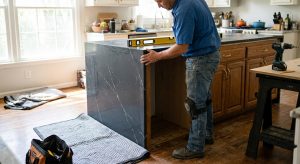
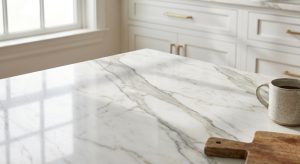
If you are searching for waterfall countertop countertop inspirations that bring a bold, modern touch to your living space, you are not alone. Choosing the right design can be exciting yet overwhelming, especially considering all the material and style options on the market. With the supportive guidance of an experienced fabrication and installation team, you can explore the many benefits of a waterfall countertop while feeling reassured every step of the way. Below, you will discover how waterfall countertops can fit seamlessly into your home, learn about the most popular materials, and find tips for making an informed decision that meets your unique preferences and lifestyle.
Discover waterfall countertop basics
A waterfall countertop extends the surface material vertically down one or both sides of your kitchen island (or other cabinetry), creating the effect of water cascading over an edge. When you opt for a waterfall design, you invest in a statement piece that exudes elegance and contemporary appeal. This flowing style fosters a sense of unity and cleanliness, as the countertop transforms seamlessly from a horizontal surface to a vertical one.
Where did waterfall countertops come from?
Although waterfall countertops have grown in popularity over the past 10-15 years (Better Homes & Gardens), the concept existed earlier, inspired by mid-century modern furniture and the sleek, flowing silhouettes of Art Deco designs from the 1930s and 1940s. Over the years, homeowners and designers have gravitated toward this look for its eye-catching visual impact and ability to elevate kitchens and other rooms.
Who benefits from a waterfall design
If you love a clean, minimalist aesthetic, a waterfall countertop can be an excellent choice. This design approach suits modern, contemporary, industrial, and even certain transitional kitchens. In such environments, the smooth, continuous surface acts as a dramatic focal point, while also protecting cabinets from scuffs, bumps, and other wear-and-tear. If you and your loved ones often gather around the island for cooking or conversation, the waterfall feature can easily become the heart of your space.
Explore popular material options
A waterfall countertop offers you endless opportunities to express your personal style. Nearly any countertop material can be adapted to a waterfall design, although some are more practical and cost-effective than others. Whether you aim for practicality, visual drama, or a blend of both, there is a perfect material to meet your needs.
| Material | Key Features | Typical Thickness | Maintenance Level |
|---|---|---|---|
| Quartz | Seamless look, scratch & heat resistant | 2–3 inches (most common) | Low maintenance, no sealing required |
| Marble | Luxurious veining, classic appeal | ¾–1¼ inches | Moderate maintenance, requires resealing |
| Granite | Stain resistant, durable | ¾–1¼ inches | Occasional resealing, moderate maintenance |
| Solid Surface | Non-porous, consistent color | ½–¾ inch | Low maintenance, can scratch more easily |
| Wood (Butcher Block) | Warm, rustic charm | 2–3 inches | Occasional oiling or sealing required |
| Concrete | Industrial vibe, customizable | 1½–2 inches (varies) | Resealing necessary, can be more porous |
| Porcelain | Thin, strong, scratch resistant | ½–¾ inch or less | Minimal maintenance, no sealing required |
Quartz
Quartz is among the most popular choices for a waterfall countertop due to its durability, consistency, and wide range of colors. If you desire reliable performance, you might focus on waterfall countertop quartz durability features. Plus, quartz allows you to match or exclude veining for a sleek, seamless appearance. According to multiple sources, quartz is cost-effective in the long run compared to some natural stones because it does not need periodic resealing (Caesarstone US).
Marble
Marble brings an air of luxurious elegance through its naturally occurring swirls and veins. For many homeowners seeking a classic look with high-end appeal, waterfall countertop marble elegance is a focal point. Marble typically requires more careful handling and resealing but can reward that care with timeless beauty.
Granite
Few materials are as recognizable as granite for countertop projects. A granite waterfall stain resistance approach may be ideal if you want the longevity of stone but enjoy patterns more varied than quartz often offers. Granite’s broad color variation complements various décor styles, ensuring that your waterfall countertop stands out as a conversation piece.
Other materials worth considering
- Solid Surfaces: Often made from acrylic-based composites, these surfaces offer consistent color throughout and can be repaired if scratched.
- Wood: A wood waterfall countertop can lend a rustic, cozy feel to your space, though it may require more frequent maintenance to keep its warm look.
- Concrete: If you prefer an industrial style, concrete can be cast into different shapes for a customized look. You can stain or texture it to suit your overall design.
Find benefits for modern kitchens
Adopting a waterfall countertop sets your kitchen apart and can be particularly advantageous in a modern context. This design style helps achieve a streamlined aesthetic, unifying the horizontal and vertical planes. Below are a few reasons to consider this look for a fresh and inviting space.
Dramatic focal point
By extending the countertop material down the side of your island, you add dimension and visual intrigue. Waterfall countertops are especially useful for highlighting bold veining or bright color variations. If you want to give your kitchen a distinct “wow” factor, you can explore a quartz waterfall waterfall design for that showstopping centerpiece.
Enhanced durability
The continuous slab can better protect the supporting cabinetry from scuffs or accidental damage. One of the reasons families love waterfall countertops is that their children or pets are less likely to harm the side panels, especially if you select a robust material like quartz or granite. This design can also make it easier to clean, as there are fewer nooks and edges to trap spills.
Extra seating possibilities
For an island that doubles as a seating area, the waterfall edges form a crisp boundary where barstools can slide underneath, creating a neat, cohesive look. If spatial constraints are a concern, you could also reference waterfall countertop space planning to ensure your kitchen layout accommodates this element comfortably.
Potential home value increase
According to some industry experts, adding a premium accent like a waterfall countertop can increase resale value by appealing to buyers seeking upscale features (Jackson Stoneworks). While style preferences vary, the sleek appeal often sparks attention and admiration, potentially offering a return on your renovation investment.
Consider costs and maintenance
As you explore waterfall countertop inspirations, one detail you should acknowledge is the potential increase in cost compared to traditional countertop edges. Extending the design down the side calls for more surface material, and it requires precise fabrication techniques to achieve a seamless miter joint. Below are some key points to keep in mind when planning your budget and maintenance routine.
Cost factors
- Material Choice: Material can range from $40 to $100-plus per square foot, with an additional installation charge potentially reaching $100 or more per square foot (Caesarstone).
- Fabrication Complexity: Attaining a truly seamless look typically requires a special mitered edge. This work can add up to $1,000–$2,000 in fabrication fees, especially if the countertop uses bold veining that must align perfectly (Real Simple).
- Added Structural Support: You may need extra bracing or hardware to hold up the additional vertical slab, and costs can climb if your island or cabinetry requires reinforcement. Refer to waterfall countertop support requirements for more insights.
For a more detailed breakdown of costs, you could look into the cost of waterfall countertop per square foot resource, which clarifies how each factor influences your total investment.
Maintenance aspects
Maintenance levels differ widely by material. Quartz is considered low-maintenance because it does not demand sealing and is quite stain resistant. In contrast, natural stones like granite or marble require periodic resealing. Wood surfaces will need oiling or waxing to remain water-resistant, while concrete needs a protective seal to prevent staining or cracking.
If you are interested in prolonging the life of your investment, check out our waterfall countertop maintenance tips. This guide features practical cleaning routines and recommendations for preserving the surface, regardless of material.
Plan a supportive installation approach
Selecting a waterfall countertop can feel like a major commitment, especially if you are uncertain about the structural implications or the complexities of installation. Recognizing these unique challenges helps you proceed confidently with a plan that fosters success and reassures you that you are making an informed choice.
Step 1: Consult professionals
Start by discussing your ideas with a qualified fabrication team and contractor, letting them know your preferences for materials, thickness, and design style. An expert can help you weigh the pros and cons of each option and draft a budget tailored to your situation. They can also highlight any unique challenges in your current layout. For a deeper review of the upsides and downsides, feel free to explore waterfall countertop pros and cons.
Step 2: Ensure proper measurements
Because waterfall installations rely on precise artistry, measurement errors can lead to higher costs or subpar results. To address these concerns, many professionals employ computer numerical control (CNC) machines or laser cutters, particularly for lining up veining. Discuss these details with your installation partner or check out waterfall countertop installation risks for more information.
Step 3: Check weight and support needs
A typical waterfall countertop often requires more substantial base support than an ordinary counter. This is especially relevant if you select a heavier stone like granite or marble. Visit waterfall countertop weight considerations to learn about the hardware and structural reinforcements that might be necessary. Proper planning prevents issues such as sagging, cracks, or misalignment over time.
Step 4: Arrange the timeline
Scheduling matters. To avoid stress, coordinate with any additional remodeling steps so you do not rush the countertop installation. The process of cutting, polishing, delivering, and installing your slab can take time, especially if your fabricator is matching intricate veins for a seamless look. If you are considering installing the countertop yourself, read waterfall countertop diy considerations first to be fully aware of the scope. In most cases, though, homeowner peace of mind increases with waterfall countertop professional installation.
Embrace design inspiration ideas
Deepening your sense of what is possible can help you customize your project to best reflect your goals. Modern and contemporary kitchens can appear especially striking with a waterfall feature, but you can also adapt this style for transitional spaces. Regardless of your preferred aesthetic, the core aim is to foster a sense of empowerment and creativity in your choices.
Add continuity with backsplash
Even if your primary motivation is to create a dramatic waterfall effect at the island, you can continue that fluid style throughout the kitchen by installing a matching vertical slab as the backsplash. This can produce a cohesive, floor-to-ceiling vibe that captures attention. Our waterfall backsplash waterfall continuity recommendation provides tips on pairing backsplash design with your waterfall island.
Incorporate different textures
If you love the waterfall concept but crave subtle variety, consider a two-tone approach. For instance, you might pair a sleek quartz waterfall with a wooden breakfast bar. Mixing materials can add depth and visual interest while highlighting your personality. For more on combining textures, check out waterfall vs flush countertop design as well as quartzite waterfall durability benefits.
Customize edge styles
A smooth, squared-off edge is most common, but you can choose other styles, such as an eased or slightly beveled edge. Look into waterfall countertop edge styles to understand how small details can bring big changes to the finished look. Another solution might include multiple rounded edges if you prefer softer lines reminiscent of natural water flow (Marble.com).
Highlight pattern and color
Using a bold stone with prominent veining can make the waterfall effect stand out, particularly when the veins align seamlessly over the corner. Consider anchoring the entire kitchen with one distinct color or pattern. For instance, swirling black and white or rich marbled browns can feel both dramatic and welcoming. If marble piques your interest, check out marble waterfall luxury aesthetics for more in-depth exploration.
Merge with modern or contemporary layouts
Whether you own a minimalist loft or a cozy family home, a waterfall countertop can connect effortlessly with different contemporary design elements. From sleek appliances to handle-free cabinets, the waterfall design encourages uniformity. You can also reference waterfall countertop for modern kitchen or waterfall countertop for contemporary island for inspiration specific to your interior style.
Address common homeowner questions
Before finalizing your decision, it helps to review some frequently asked questions about waterfall countertops. This supportive, empathetic approach can lend clarity and ease any lingering uncertainties.
-
Does a waterfall countertop cost more than a traditional countertop?
Yes, a waterfall countertop tends to be more expensive due to extra materials, specialized fabrication, and often added structural support. You can look at the cost of waterfall countertop per square foot to gauge how these elements affect your overall budget. -
Are waterfall countertops limited to modern kitchens only?
Not necessarily, but their sleek lines typically align best with modern and contemporary aesthetics. If you have a more traditional style with ornate details, you may find the waterfall design feels out of place, though transitioning to a mixed design is possible with thoughtful material choices. -
Which material best suits a waterfall countertop?
Quartz is widely recommended for its durability, color consistency, and low maintenance requirements. Marble, granite, and even solid surface can also be excellent choices, so your selection depends on your design priorities and care preferences. -
Will I need professional help for maintenance?
Basic care, like daily cleaning and resealing (if necessary), is manageable for most homeowners. For a deeper look at preserving the surface, visit waterfall countertop maintenance tips. Situations involving deep scratches or structural concerns can benefit from professional intervention. -
How does installation timing work with a kitchen remodel?
Waterfall countertops typically require precise measurements taken after cabinets are installed. Thus, the countertops generally come after significant structural or cabinet work. Be sure to plan the installation timeline so you do not rush the measurements or fabrication.
Frequently asked questions
-
How long have waterfall countertops been popular?
They have gained significant popularity in the last 10-15 years, although the concept dates back further (Better Homes & Gardens). People are drawn to their dramatic impact and seamless look in modern spaces. -
How do I find a trusted installer?
Seek reviews, view previous projects, and ensure your chosen professional has experience with waterfall designs. You might additionally check resources like waterfall countertop installers reputation for tips on choosing the right team. -
Is a waterfall countertop suitable for families with young kids?
Yes, a waterfall countertop can be quite family-friendly. It protects cabinetry edges, provides easy cleanup, and can be more durable if you choose materials like quartz. However, be mindful of sharper edges if you have toddlers running around. -
Can a waterfall edge work on smaller kitchen islands?
Absolutely. Even a compact island gains considerable impact from a waterfall design, transforming it into a focal point. If space is limited, plan carefully by referencing waterfall countertop space planning. -
What if I want to replace my waterfall countertop later?
You can replace a waterfall countertop as you would a standard countertop, but keep in mind that the installation may be more involved. To learn about potential considerations, read waterfall countertop replacement guidance.
Conclusion
A waterfall countertop can add an inspiring, contemporary touch to your home, infusing the space with a sense of unity and modern flair. By comparing costs, materials, and design ideas, you can develop an effective, compassionate plan that supports your vision and suits your household’s needs. Whether you lean toward marble’s timeless charm, quartz’s practicality, or granite’s resilient qualities, you are investing in a statement centerpiece capable of lasting beauty.
Approaching your project with a positive, informed mindset empowers you to make confident decisions. Trusted craftsmanship, well-planned structure, and consistent care all come together to create a waterfall countertop that looks stunning and stands up to the demands of daily life. Should you have more questions about one-of-a-kind designs or the installation process, feel free to connect with a professional for additional reassurance. With the right resources and support at hand, you can transform your kitchen into a welcoming and memorable gathering place for you and your loved ones.