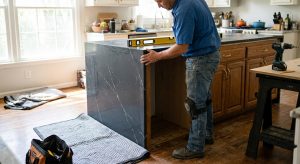
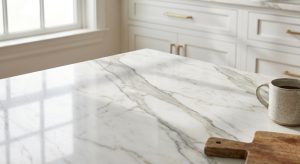
Waterfall countertops are more than a design statement, they offer a powerful way to transform your commercial space with a sleek, cohesive look. When you plan a commercial waterfall countertop installation, you give your business environment an upgrade in both style and functionality. In the following sections, you will discover the unique benefits of wrapping your countertop material down the sides, the cost considerations, important regulations, and tips for proper care. By the end, you will be equipped to choose the best approach for your commercial setting, whether you manage a bustling restaurant, a modern office, or a high-traffic retail space.
Explore the concept of commercial waterfall countertops
Waterfall countertops are distinguished by their continuous flow of material from the top surface down one or both sides, creating a cascading effect. Unlike traditional countertops that simply rest on a cabinet, waterfall installations wrap the design vertically, highlighting the elegance of natural or engineered stone.
Key features to notice
- Seamless edge: The “waterfall” feature gives your countertop a sleek, unbroken edge that visually extends the surface.
- Durable corner design: Proper mitering strengthens the integrity of the corners so they withstand daily use.
- Eye-catching effect: Waterfall edges draw attention, showcasing the beauty of natural veining or the pristine appearance of engineered quartz or other solid surfaces.
Reasons businesses choose a waterfall look
While aesthetics are central to the waterfall style, many organizations see other meaningful benefits:
- Visual impact: A waterfall design elevates your space and creates an impression of luxury.
- Defined zones: Using a waterfall countertop visually sets boundaries, such as a bar area, buffet station, or reception desk.
- Easier patrol of sanitation: With fewer seams and edges, staff can clean and disinfect faster, crucial in environments like cafes or spa lounges.
By making this design choice, you show employees, customers, and clients that you value both form and function in your commercial setting.
Recognize the benefits of a cascading design
When you install a commercial waterfall countertop, you commit to a style that merges functionality, durability, and brand identity. Although aesthetic appeal often grabs the spotlight, the advantages go deeper.
Reinforce brand identity
In a competitive market, crafting a memorable experience for visitors is essential. A commercial waterfall countertop installation can align with your brand if you opt for materials and colors that echo your company’s style. For example, a sleek black quartz might complement a modern tech business, while a warm marble pattern can emphasize a spa’s calming atmosphere.
Enhance durability
Waterfall edges are not purely decorative. The vertical panel helps shield cabinet sides from scuffs, spills, and everyday traffic. Since the same sturdy stone or engineered material covers more surface area, the overall structure is better protected. Materials like quartz, granite, and porcelain, frequently used for commercial countertops, are known for their exceptional strength and scratch resistance (Elegantly Set in Stone). This additional durability matters most in high-traffic areas like restaurants, bars, or corporate offices.
Simplify cleaning routines
Traditional countertops often have multiple visible edges and joints. A waterfall design hides some of these edges, giving a streamlined surface that is more forgiving when it comes to daily cleanup. Having fewer seams means fewer places where crumbs and debris can accumulate. This design choice can also help your cleaning routines run faster and more efficiently, crucial benefits in busy commercial environments.
Increase resale value
Particularly if you own the property rather than lease, a waterfall countertop can be a strategic investment. Potential buyers, tenants, or clients are likely to be impressed by a commercial space with high-end details, and a waterfall countertop can symbolize meticulous attention to design. The combination of practicality and elegance could command a higher resale or leasing rate.
Examine the cost factors
It is natural to be mindful of cost. Waterfall countertops are usually more expensive than standard flat countertops due to additional materials and fabrication labor, but exact pricing depends on several conditions:
Materials and their costs
Your choice of material has a significant impact on the overall cost. The following table outlines a brief range of average installed costs (per square foot) for popular materials, drawn from industry data and sources like Cabaret Designers and MSI Surfaces:
| Material | Approx. Cost Range (Installed) |
|---|---|
| Quartz | $55–$125 |
| Granite | $60–$150 |
| Marble | $70–$200 |
| Quartzite | $90–$200 |
| Wood | $70–$120 |
| Soapstone | $70–$120 |
| Porcelain | $80–$150 |
Keep in mind that a waterfall design typically requires enough material to cover the side(s), sometimes leading to a higher final budget. For instance, quartz is popular for bars and restaurants, accounting for up to 30% of countertop selections in those spaces (Cabaret Designers).
Additional expenses
- Removal of old counters: If you need demolition or removal, consider about $2 to $4 per square foot for granite removal, a range that can apply to other materials as well (Cabinets City).
- Plumbing adjustments: It may cost $200–$300 per fixture if you need to detach or rearrange sinks and plumbing.
- Supports and build-out: To maintain the clean, cascading look, your contractor might need hidden brackets or structural elements.
- Overhang measurements: If you plan for an extended countertop for bar seating, slight modifications may involve extra labor or materials.
Future return on investment
You may be concerned about the up-front price, but many businesses view waterfall countertops as both a functional asset and a design statement. By helping you stand out in a crowded marketplace, the investment in a commercial waterfall countertop installation can pay dividends in brand perception and client satisfaction.
Review popular materials for waterfall edges
Once you have decided to install a waterfall countertop, you then face the question of which stone or surface to use. You have several popular options:
Quartz
Quartz is an engineered stone, prized for its consistent patterns, non-porous nature, and wide aesthetic range. It resists stains and scratches, making it a preferred choice for busy commercial environments. If you wish to highlight the modern aura of quartz in your space, you might look into a waterfall quartz countertop installation.
Granite
Granite offers natural veining and a highly durable surface. Some variants can range widely in color and pattern, allowing you to choose a style that fits your brand. For an example of how granite creates a striking focal point in commercial settings, explore waterfall granite countertop installation.
Marble
While marble is often associated with luxury, it can demand more care due to its higher porosity. Nonetheless, modern sealants and advanced maintenance options make it more feasible for commercial use than ever. If you appreciate an elegant and timeless look, waterfall marble countertops might be the right match.
Quartzite
Quartzite is a natural stone that resembles marble in appearance but provides hardness and durability closer to granite. Commercial spaces seeking a unique, high-end aesthetic frequently pick quartzite for waterfall quartzite countertops.
Soapstone and porcelain
Although slightly less common, soapstone and porcelain have grown in popularity for waterfall edges (MSI Surfaces). Soapstone is valued for its heat resistance and non-porous nature, while porcelain is praised for scratch resistance and low maintenance. Both materials are suitable choices for a commercial establishment aiming for reliability under daily wear and tear.
Consider relevant regulations and codes
Building codes play an invisible but essential role in countertop choices. Being proactive about local and national guidelines keeps you safe from penalties and ensures your installation is stable and secure.
Compliance with the IRC
The International Residential Code (IRC) encompasses guidelines relevant to kitchen and restroom countertops. Even though commercial environments often follow the International Building Code (IBC), some references overlap. For example, you will need to confirm:
- Minimum distances from countertop surfaces to cabinetry, outlets, or any overhead fixtures
- Backsplash requirements
- Maximum allowable overhang for structural safety
Local regulations
In some jurisdictions, special ordinances mandate the types of countertop materials permissible in kitchens or restrooms or impose limitations on countertop heights. Different zones such as food-prep areas, dishwashing spaces, or bar service counters may each have specialized guidelines. According to AST Stone Corporation, you may also face restrictions on overhang lengths if you plan to use the waterfall design in an area where people stand or walk frequently.
Safety measures
During installation, certain measures—from wearing proper safety gear to carefully handling large slabs—are crucial for worker safety. Adhering to Occupational Safety and Health Administration (OSHA) guidelines can protect everyone on-site from injury and ensure that your countertop project is completed responsibly.
Understand the installation timeline
A commercial waterfall countertop installation can vary in length depending on material availability, design complexity, and the scope of demolition involved. Based on general timelines for countertop projects, you can expect:
-
Initial consultation and planning (1–2 weeks):
You discuss your design preferences, budget, and specific requirements with a professional. During this phase, you might confirm the color, material type, and overall aesthetic direction of your waterfall countertop. For expert advice, consider setting up a waterfall countertop project consultation. -
Material lead time (1–3 weeks):
Once you have selected a stone or engineered product, suppliers may need time to source and deliver it. Exotic materials or custom designs often add a few weeks to the schedule (EdStone Inc.). -
Measuring or templating phase (1–2 hours):
A precise measurement session, sometimes called waterfall countertop templating, provides fabricators with the blueprint for your project. It is crucial that all appliances and cabinets be in their final positions to avoid miscalculations. -
Fabrication (1–2 weeks):
Skilled fabricators cut and polish the stone, carefully crafting the waterfall edges. If your design requires complex angles or involves multiple cut-outs, you may need to add extra time. -
Demolition and site prep (1–3 days):
Before the new countertop arrives, your old countertop must be removed. Cabinets and substrate are then inspected to ensure levelness and stability. Plumbing fixtures need to be disconnected in advance. -
Installation (1–2 days):
The finishing touch is actually placing the slab, aligning the corners, mitering the edges, and adhering the seams properly. Experts might recommend seamless waterfall countertop installation techniques for a polished, continuous look. -
Final checks and sealing (same or next day):
After installation, you inspect the countertop for any imperfections. Depending on the stone type, you or the fabricator might apply a sealant to add an extra layer of protection (Lesher Marble).
By selecting a reliable contractor and planning carefully, you can streamline the schedule and ensure a smooth transition to your new countertop.
Visit professional fabricators and installers
Turning your commercial countertop vision into reality often means partnering with experienced specialists familiar with waterfall designs.
Verify credentials
Search for a reputable contractor who focuses on commercial installations. Some fabricators, like The Countertop Factory, cater specifically to commercial contractors and multi-family housing projects. Verify if they:
- Offer short lead times
- Provide a variety of materials, from laminate to quartz
- Comply with LEED Green and AWI specifications for sustainability and quality
Book a consultation
Working hand in hand with a countertop expert early can help you avoid cost overruns and design missteps. You could arrange a waterfall countertop measurement service to get accurate quotes, or simply discuss your needs through a preliminary visit or video call.
Custom fabrication for unique needs
If you are eyeing a specialized shape, texture, or pattern, make sure your contractor offers custom waterfall countertop fabrication. A team with advanced tooling can plan mitered edges that align perfectly with your brand’s design ethos.
Maintain your new waterfall countertop
Selecting a premium design such as a commercial waterfall countertop installation is only the first step. Proper, ongoing care helps preserve appearance and longevity.
Daily cleaning tips
- Use a mild cleanser or soapy water. Highly acidic or abrasive cleaners could etch the stone or degrade sealant.
- Wipe spills promptly. Standing liquids can leave marks over time, especially on marble or other porous stones.
Sealing and refinishing
Many natural stones (like granite and marble) benefit from periodic sealing. The frequency can range from every six months to once a year, but you should assess the specific product recommendations. If you notice dullness or small scratches, you might be able to restore the finish through a waterfall countertop refinishing service.
Routine inspections
Commercial spaces see more traffic than residential settings, so it is a good idea to routinely inspect edges, corners, and seams for any damage. Catching minor issues early can save on repair costs. If you suspect loose components or structural problems, contact a specialist for waterfall countertop quality assurance.
Specific care protocols
- Quartz: Warm water and gentle soap are usually sufficient.
- Granite: Apply a suitable sealant and avoid exposure to certain chemicals.
- Marble: Be vigilant about acidic spills (like coffee or wine).
- Porcelain: Mild detergent and a soft cloth keep it looking pristine.
- Soapstone: A little mineral oil can keep it conditioned and highlight its patina.
For more in-depth procedures, you can consult a waterfall countertop care maintenance provider.
Consider remodeling or replacement
Your business needs might change over time. If you plan a broader remodel, or simply wish to upgrade the look of your counters, you could embark on a waterfall countertop remodeling project to maintain a modern, cohesive identity.
- Replacement service: If your existing countertop is badly worn or out of style, a waterfall countertop replacement service can help you improve the look and feel of your commercial property.
- Enhanced features: Use the opportunity to add integrated sinks, custom overhang for seating, or incorporate a stone waterfall kitchen island.
Updating your countertop aligns with the philosophy of continuous improvement and can show clients you are committed to offering a top-tier experience.
FAQs about commercial waterfall countertops
-
How does a waterfall design compare to a standard countertop in cost and difficulty of installation?
Waterfall countertops often cost more because they require extra material for the sides plus specialized mitering. Fabrication can also be trickier, taking skilled labor and more time. However, many businesses consider the visually striking effect and added durability worth the added investment. -
Which material should I pick for a commercial waterfall countertop installation?
It depends on factors like traffic, brand aesthetic, and budget. Granite or quartz are very popular for high-traffic commercial spaces thanks to their durability and broad style options. Marble can offer an upscale look but has higher maintenance demands, while soapstone and porcelain are also good if you want low porosity and unique appeal. -
Do local building codes affect my choice of waterfall countertop?
Yes. You might have regulations around overhang length, backsplash requirements, or the type of material allowed. To avoid code-related problems, it is best to consult local building authorities or work with specialists who are familiar with regulations in your region. -
Can I install a waterfall countertop in a restroom or spa environment?
Absolutely. In fact, many spas and bathrooms benefit from a polished, unified look that waterfall edges provide. Just check moisture levels and pick a material that resists water damage, such as quartz or porcelain. Make sure to comply with any plumbing or fixture spacing codes in your jurisdiction. -
How can I keep a commercial waterfall countertop in good condition year-round?
The best approach includes regular cleaning with gentle products, periodic resealing (for natural stone), and a thorough inspection of seams or edges every few months. If you notice chips or loose seams, contact a professional for waterfall countertop sealing service or repairs. Early intervention helps avoid larger, more expensive fixes later.
Concluding thoughts
A commercial waterfall countertop installation can improve your space’s style, reinforce your brand identity, and boost functionality. By investing in a waterfall design, you will have a visually appealing focal point that conveys refinement to everyone who enters your environment. While the upfront effort and cost may be more substantial than a traditional countertop, many business owners find that the long-term value—through better aesthetics, improved durability, and streamlined maintenance—justifies the decision.
Whether you settle on quartz, granite, marble, or another material, the key lies in thoughtful planning and working with professionals who can guide you on design details, code compliance, and proper upkeep. From initial waterfall countertop templating to final polishing, each phase can be smooth and rewarding with the right approach. Done well, your new waterfall countertop will shine as a functional statement piece for years to come, giving customers and visitors an inviting sign that your commercial environment is built to impress.