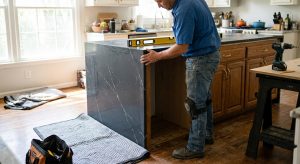
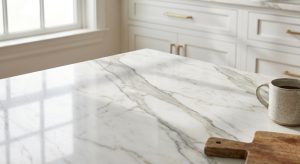
Benefits of Waterfall Countertops
Waterfall countertops are gaining popularity in kitchen designs for their unique aesthetic appeal and functional advantages. We appreciate how these features can enhance both the beauty and performance of our kitchen spaces.
Durability of Waterfall Countertops
One of the key benefits of waterfall countertops is their remarkable durability. These countertops often use materials like quartz and granite, which are known for their strength and longevity. For instance, quartz is highly resistant to scratches, dents, chips, and stains, and it never requires resealing (JSB Home Solutions). This makes them an ideal choice for busy kitchens where wear and tear can occur frequently.
| Material | Scratch Resistance | Stain Resistance | Resealing Requirement |
|---|---|---|---|
| Quartz | High | High | No |
| Granite | Moderate | High | Yes |
| Laminate | Low | Low | No |
Given this information, it’s clear that waterfall countertops, particularly those made from robust materials, can stand the test of time while maintaining their aesthetic appeal. This durability translates into less frequent replacements, which can ultimately save us money in the long run.
Aesthetics of Waterfall Countertops
The visual impact of waterfall countertops cannot be overstated. They create a seamless transition from countertop to vertical surface, which adds a contemporary and cohesive look to any kitchen. This design not only draws the eye but also enhances the perceived space in smaller kitchens.
Waterfall countertops are also versatile regarding color and texture options. Homeowners can choose from a variety of materials to match their personal style and kitchen decor. Whether we prefer the sleek finish of polished quartz or the organic variations of natural stone, there is an option that can complement our overall design vision.
For further exploration of contemporary countertop styles, we can check out the article on top color and texture pairings for contemporary kitchens. This can help us visualize how different designs can enhance our kitchen experience.
In summary, the benefits of waterfall countertops are clear, merging excellent durability with striking aesthetics, making them a worthy investment for anyone planning a kitchen remodel.
Choosing the Right Countertop Material
When selecting the perfect countertop for our kitchen remodel, it’s essential to consider various materials that suit our needs for durability, aesthetics, and budget. Here, we will explore three popular options: quartz, granite, and laminate, each offering unique benefits.
Quartz as the Best All-Around Option
Quartz is widely recognized as the best all-around countertop material for kitchens. It boasts remarkable resistance to scratches, dents, chips, and stains, making it a practical choice for high-traffic areas. Unlike natural stone materials, quartz never requires resealing, which simplifies maintenance. However, it is important to note that quartz tends to be slightly more expensive than other options, yet many find the long-term benefits worth the investment (JSB Home Solutions).
| Feature | Quartz |
|---|---|
| Scratch Resistance | Excellent |
| Stain Resistance | Excellent |
| Maintenance | No resealing needed |
| Cost | Higher |
For detailed comparisons of countertop materials, refer to our article on comparing quartz granite and marble countertops: pros and cons.
Granite for Natural Warmth
Granite is considered the best natural stone countertop material, offering a unique beauty and natural warmth to kitchens. It is less expensive than quartz, making it a popular choice for those seeking an attractive yet functional surface. One drawback is that granite requires resealing every 3-5 years to maintain its resilience against stains and water damage. The effort involved in resealing might deter some homeowners, but many still appreciate its stunning appearance and durability.
| Feature | Granite |
|---|---|
| Scratch Resistance | Good |
| Stain Resistance | Moderate (requires resealing) |
| Maintenance | Resealing needed every 3-5 years |
| Cost | Moderate |
To learn more about the maintenance aspects of granite countertops, visit our article on what you need to know about heat scratch and stain resistance.
Laminate for Budget-Friendly Choice
For those on a tighter budget, laminate kitchen countertops offer an attractive and economical option. They are easy to cut and install, coming in a wide array of colors and designs. However, laminate is significantly less durable than stone countertops, which means that careful handling is necessary to prolong its lifespan. Using hot pads and cutting boards is strongly recommended to protect the surface from damage. Despite the drawbacks, laminate can be a stylish solution when budget constraints are a priority.
| Feature | Laminate |
|---|---|
| Scratch Resistance | Poor |
| Stain Resistance | Moderate |
| Maintenance | Low (no resealing) |
| Cost | Low |
For insights on stylish laminates and their applications in your home, consider checking our article on matching your countertop material to cabinets and flooring.
In summary, when considering how to choose the best countertop for your kitchen remodel, weigh the pros and cons of each material to find the one that aligns with our design preferences and functional needs.
Factors to Consider When Selecting Countertops
Choosing the right countertops for our kitchen remodel involves several important factors. From maintenance requirements to cost comparisons and compatibility with kitchen style, each aspect plays a vital role in the decision-making process.
Maintenance Requirements
Maintenance is a key consideration when selecting countertops. Various materials have different upkeep needs:
| Countertop Material | Maintenance Requirements |
|---|---|
| Quartz | Low maintenance; routine cleaning is sufficient. |
| Granite | Requires routine cleaning, sealing, and polishing. |
| Laminate | Easy to clean; no sealing required but can be prone to scratches. |
Quartz is recommended as the best all-around kitchen countertop material due to its durability and ease of maintenance (JSB Home Solutions). Granite countertops are also highly durable, but they do require regular sealing to maintain their integrity (Granite Gold). Laminate offers a budget-friendly option with minimal maintenance but may not be as resistant to wear over time.
Cost Comparison
Cost is a fundamental aspect of countertop selection. Understanding the budget implications of different materials can help us make an informed decision. Below is a general cost comparison for common countertop materials:
| Countertop Material | Estimated Cost per Square Foot |
|---|---|
| Quartz | $50 – $120 |
| Granite | $40 – $100 |
| Laminate | $10 – $40 |
While laminate countertops are the most budget-friendly option, granite can offer a natural warmth at a relatively low cost compared to quartz. However, quartz is often recognized for its longevity and durability, making it an appealing choice despite the higher price point (JSB Home Solutions).
Compatibility with Kitchen Style
Choosing a countertop that harmonizes with our kitchen’s overall aesthetic is crucial. The material, color, and texture must complement other elements, including cabinetry and flooring. A cohesive design can elevate the kitchen’s visual appeal.
- Material Choices: Options range from natural stones like granite to engineered materials like quartz or laminate.
- Color Schemes: Countertops should tie in with cabinet colors and flooring for a seamless look. For ideas, check out our article on top color and texture pairings for contemporary kitchens.
- Edge Profiles: The right edge profile can enhance the countertop’s style and functionality. Learn more about edge profiles in our guide on how to choose the right edge profile for your countertops.
When selecting countertops, we should consider how each factor will influence both the aesthetics and practicality of our kitchen remodel.
How Countertops Affect Home Value
When we consider a kitchen remodel, we must also think about how our countertop choice impacts the overall value of our home. Selecting the right material can enhance not only the aesthetics of our kitchen but also its market value.
Impact of Countertop Material on Home Value
The material we choose for our countertops can substantially affect our home’s value. For instance, granite countertops are known for their durability and aesthetic appeal. They are a natural stone that is quarried from the earth and does not require harmful manufacturing chemicals, making granite an environmentally friendly option (Granite Gold).
Installing granite countertops can potentially increase home value by up to 25% of its retail value. This increase is often reflected in resale prices, as prospective buyers appreciate the long-lasting nature and minimal upkeep of granite. For a more detailed exploration of countertop materials, check out our guide on comparing quartz granite and marble countertops: pros and cons.
| Countertop Material | Potential Increase in Home Value (%) | Durability | Maintenance Needs |
|---|---|---|---|
| Granite | Up to 25 | Very Durable | Low, routine cleaning and sealing |
| Quartz | Up to 15 | Very Durable | Low, routine cleaning |
| Laminate | Up to 10 | Moderate | Moderate, but may require replacement sooner |
Return on Investment for Different Countertop Choices
The return on investment (ROI) for countertops varies according to the material we select. For example, installing granite can yield an ROI ranging from 90 to 100 percent. This means that our investment in quality granite countertops can be recouped when it comes time to sell the property (Granite Gold).
To summarize our options, here’s a comparison of ROI for various countertops:
| Countertop Material | Estimated ROI (%) | Notes |
|---|---|---|
| Granite | 90-100 | Long-lasting, highly desirable |
| Quartz | 70-90 | Less maintenance, modern look |
| Laminate | 50-70 | Budget-friendly but less durable |
Ultimately, we need to consider how our choices not only beautify our kitchen but also strengthen our investment in our home. To learn more about coordinating your countertops with cabinets and flooring, check our article on matching your countertop material to cabinets and flooring for informed design decisions.
Sustainability and Longevity
When selecting countertops, sustainability and longevity are crucial factors to consider. Not only do these elements impact the environmental footprint of kitchen remodeling projects, but they also contribute to the overall value and durability of the materials chosen.
Eco-Friendly Countertop Materials
Choosing eco-friendly materials for countertops can have a positive impact. One of the standout options is granite, which is a natural stone quarried without harmful manufacturing chemicals. This sustainability factor, coupled with the material’s exceptional durability, allows granite countertops to last for decades, effectively reducing waste Granite Gold.
Another eco-conscious option includes recycled materials, which offer environmentally friendly alternatives to traditional choices. These materials help minimize waste by repurposing unused resources. However, it’s important to note that recycled options may require more maintenance compared to conventional materials. Consulting with countertop providers can be beneficial to understand their specific maintenance needs MaxSpace Stone Works Inc..
| Material Type | Sustainability Benefits | Maintenance Requirement |
|---|---|---|
| Granite | Natural, quarried, durable | Low |
| Recycled Materials | Minimizes waste, eco-friendly | Higher than traditional |
| Quartz (man-made) | Durable, low-VOC options available | Low |
Longevity of Countertop Choices
The longevity of a countertop is an essential consideration when selecting materials for a kitchen remodel. Ideally, a countertop should withstand daily use without losing its aesthetic appeal or functionality.
-
Granite: Known for its durability, granite can endure the rigors of a busy kitchen while remaining visually captivating for decades.
-
Quartz: Engineered for resilience, quartz offers scratch and stain resistance, making it a low-maintenance option that can stand the test of time.
-
Laminate: While budget-friendly, laminate does have a shorter lifespan compared to natural stones and especially quartz or granite.
Understanding the longevity of countertop materials can guide us in making informed decisions, ensuring we choose countertops that not only enhance our kitchen’s appearance but also offer practical benefits in terms of maintenance and durability. For more insights on this topic, consider our comparisons on comparing quartz granite and marble countertops: pros and cons.
| Countertop Type | Expected Lifespan |
|---|---|
| Granite | 30+ years |
| Quartz | 20+ years |
| Laminate | 10-15 years |
By prioritizing sustainability and selecting durable materials, we can create a kitchen that is both aesthetically pleasing and environmentally responsible.
Cabinetry and Countertop Coordination
When we are remodeling our kitchens, the interaction between cabinetry and countertops plays a critical role in the overall design and functionality of the space. Ensuring that these elements complement each other not only enhances the aesthetic appeal but also contributes to the longevity of our kitchen investment.
Cabinetry Material Options
Choosing the right cabinetry material is crucial for pairing with our countertops effectively. Here are some popular cabinetry options:
| Cabinetry Material | Description | Pros | Cons |
|---|---|---|---|
| Solid Wood | Crafted from hardwood species, providing natural beauty | Durable and can be refinished | More expensive and can warp |
| Plywood | Made from layers of wood veneer, offering strength | Stable and less prone to warping | Can be heavier and more expensive than particleboard |
| Laminate | Made from composite wood covered with a plastic laminate | Budget-friendly and easy to clean | Less durable than wood and can peel |
| Wood Veneer | Thin slices of real wood glued onto a core | Affordable with a natural look | Less durable and can chip or peel over time (Hauslane) |
Selecting a cabinetry material that matches well with our countertop choice, such as choosing a warm wood with a natural stone or a sleek laminate with solid surface counters, can create a cohesive look.
Ensuring Proper Support for Countertops
Proper support for countertops is essential, especially for heavier materials such as granite or quartz. The structure beneath our countertops must be robust enough to handle the weight. Here are key considerations:
- Cabinet Structure: Ensure cabinets are made from reinforced material capable of supporting countertop weight. Solid wood or plywood are preferred over particleboard.
- Countertop Thickness: Thicker countertops (typically 1.5 inches or more) may require additional support, such as braces or extra cabinetry underneath.
- Overhangs: If countertops extend beyond the cabinets (like in waterfall designs), they should have brackets or additional supports underneath to prevent sagging and ensure safety.
- Installation: Professional installation can help guarantee that countertop materials are properly affixed to the cabinets, minimizing the risk of damage.
Incorporating matching your countertop material to cabinets and flooring can enhance the overall aesthetic and ensure functional harmony. Considering all aspects of cabinetry and countertop coordination helps us make informed decisions about how to choose the best countertop for our kitchen remodel.