Explore this contemporary design
If you want to add a modern statement piece to your kitchen, a waterfall countertop for contemporary island setups is an excellent choice. Unlike traditional countertops that rest atop cabinet bases and stop at the edges, a waterfall countertop extends downward along the sides, creating a flowing, seamless look that stands out as a bold focal point. This approach originated in the early to mid-2000s and has quickly become a coveted style among homeowners looking for sleek, sculptural elements in their living spaces (Aqua Kitchen and Stone Gallery).
By visually “cascading” to the floor, this design showcases the countertop material in its full glory—especially if you use quartz, marble, granite, or another statement stone. If you have been seeking a way to highlight your premium countertops in a fresh, elegant format, the waterfall concept can be a reliable path to transform your kitchen into a showstopping conversation piece. When approached with proper planning and professional guidance, a waterfall countertop can become a defining feature of your home, reflecting your commitment to quality and style.
Where aesthetics meet function
One of the most compelling aspects of a waterfall countertop is the balance between visual appeal and everyday usability. By enveloping the lateral sides of your kitchen island, you protect the underlying wood cabinetry from bumps, scratches, and moisture, making the island more durable in the long run (Architectural Digest). You essentially create a protective shell around the core structure, which can be especially important if you have a busy household.
The “cascade” effect is also a clever way to integrate additional workspace or seating areas. Many homeowners use the extended sides as a spot for bar stools or small built-in shelves. These additions can blend seamlessly into the countertop’s overall aesthetic, leaving no abrupt breaks in the material. The result is a cohesive, functional layout that not only supports your everyday tasks, but also impresses guests by creating a contemporary vibe.
Gathering inspiration from trendsetters
Waterfall designs continue to gain momentum among interior designers, architects, and homeowners who value a modern aesthetic. According to Aqua Kitchen and Stone Gallery, waterfall kitchen islands remain a top trend in 2025 due to their striking visual impact, versatile material options, and refined simplicity. If you browse popular design magazines or watch home renovation programs, you are bound to see examples of these elegantly cascading countertops made from quartz, marble, or granite.
You can fully customize the look to reflect your personal style. Love the rustic charm of wood? Opt for a butcher block waterfall. A preference for industrial style? Stainless steel waterfalls can be an excellent solution. If you want the design to appear light, minimalistic, and contemporary, a white quartz selection will often produce the exact result you envision. Whichever route you choose, you can rely on a waterfall countertop to help your kitchen stand out.
Choose your perfect material
One of the most important steps in crafting a waterfall countertop for contemporary island use is selecting the right material. Beyond merely looking good, your countertop has to stand up to day-to-day activities such as cooking, dining, or hosting family gatherings. From quartz to wood, there are numerous possibilities, each offering distinct strengths and aesthetic appeals.
Quartz: Durable and stylish
If you value a surface that is both showstopping and easy to maintain, quartz is one of your best bets. It is engineered to be highly resistant to staining, scratches, and heat, making it especially suitable for busy kitchens where you do more than just light meal prep. Quartz countertops can imitate the texture and veining of natural stone without some of the downsides, like frequent sealing or susceptibility to etching.
Quartz’s low-maintenance features make it a particularly good match for a waterfall design. Since both the top and sides of your island will be exposed to frequent contact, you want a material that resists daily wear. Plus, the ability to fine-tune quartz’s color or pattern means you can ensure a perfect match from the horizontal surface to the vertical cascade. If you are curious about how quartz holds up over time, visit waterfall countertop quartz durability for more insights.
Marble: Elegant and refined
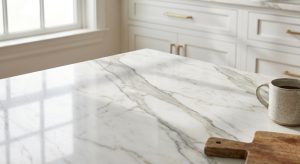
Marble is prized for its timeless elegance, featuring distinct veining that can look especially dramatic when carried seamlessly through a waterfall edge. If you want a luxurious, refined atmosphere, it is hard to beat the classic look of marble. However, keep in mind that natural stone typically requires regular sealing to prevent stains, chips, or etching from acidic foods and chemicals (The Spruce).
Nevertheless, many homeowners accept the extra maintenance because marble offers a level of organic beauty that engineered surfaces sometimes struggle to replicate. This material can lend a light, airy feel to your kitchen while also serving as a practical workspace. For more ideas on high-end design concepts with natural stone, you might find waterfall countertop marble elegance helpful.
Granite: Resilient and natural
Granite waterfall countertops often combine the best of durability and one-of-a-kind aesthetics. Granite slabs are known for their unique mineral patterns and robust composition, making them highly resistant to heat and daily kitchen wear. With granite, you can also highlight the remarkable natural veining by having it “flow” down the sides of your island. This continuity can transform your countertop into a piece of functional art.
As with other natural stones, granite may require periodic sealing. But if properly cared for, granite is a prized investment that can serve your household for decades. To learn more about stain resistance and upkeep, take a look at granite waterfall stain resistance.
Other materials: Wood, stainless steel, and more
While quartz, marble, and granite are typical favorites for waterfall countertops, there are other options to consider. Butcher block waterfall countertops, for example, introduce warmth and a natural richness to your cooking space at a fraction of the cost of more expensive stone surfaces (The Spruce). Stainless steel is nearly indestructible and relatively affordable; however, it does show smudges, so you’ll need to wipe down surfaces more frequently to keep them gleaming.
Concrete might be a good fit if you want a more industrial or rustic vibe. It can be pigmented and polished for a sleek look, but be aware that concrete surfaces may require sealing and can develop hairline cracks over time. Ultimately, weigh how much maintenance, cost, and durability matter to you. If you cannot decide, you may want to explore side-by-side comparisons in resources like waterfall countertop pros and cons.
Understand the key advantages
You may already be picturing how a waterfall edge could transform your island, but it helps to know why homeowners and designers keep choosing this style. From adding structural resilience to elevating your interior’s visual appeal, waterfall countertops strike an enticing balance between artistry and practicality.
Seamless flow and modern look
A waterfall countertop can visually unify the different components of your kitchen by erasing the abrupt end of a typical island edge and extending that same material into a continuous flow down the sides. This fluidity underscores the contemporary nature of your design, showing you have thoughtfully selected every detail, from the color scheme to the shape of your cabinetry.
Such cohesiveness is particularly impactful in open-concept homes where the kitchen and living area merge. If you entertain guests frequently, the refined lines of a waterfall countertop can make your island the focal point, naturally drawing attention. This sense of collaborative space can foster a supportive environment where friends and family gather comfortably. You could even treat the extended edges as a bar seating area, enabling conversations and interactions to happen seamlessly in one place.
Practical benefits and maintenance
When you wrap the sides with stone, quartz, or even stainless steel, you protect the base structure (like wood cabinets) from dents and scuffs that may come from everyday foot traffic or a rogue corner of a laundry basket. In busy kitchens, the lower part of your island can take a beating—particularly if children play or eat meals around it. A sturdy, easy-to-clean surface that handles high activity can minimize the risk of unsightly damage.
Maintenance requirements will vary based on the chosen material, but many modern surfaces, especially quartz, require little more than regular wiping with mild soap and water. Even if you go for a more sensitive material like marble, it is still easy enough to keep the surface looking marvelous when you incorporate proper care habits. For tips on caring for your vertical surfaces and preventing chips or scratches, consider waterfall countertop maintenance tips.
Weighing costs and investments
It is no secret that waterfall countertops often come with a higher price tag than standard slabs. The cost of a stone slab alone can range from about $40 to $100 (or more) per square foot, and installation can add another $100 per square foot (Caesarstone US). According to The Spruce, factors such as the complexity of cuts, the level of craftsmanship required to create seamless corners, and whether you choose single- or double-sided waterfalls all play a role in final pricing. Essentially, you are paying for more countertop surface area plus precision work from skilled fabricators.
Although the up-front investment is significant, the benefits can be just as big. Many real estate professionals note that a modern, well-implemented waterfall island can boost your home’s resale value. It can also contribute to a space that looks carefully curated, making it easier to host gatherings or enjoy quiet family dinners in a stylish backdrop. If you want more insights on how prices vary by design, be sure to review the cost of waterfall countertop per square foot resource.
Prepare for the installation
Before you commit to a waterfall countertop, you want to ensure you have a solid plan. Anticipating how the project will impact your daily routine, budgeting accordingly, and partnering with skilled professionals can help reduce disruptions and ensure you achieve the results you want.
Budgeting and timeline
Embarking on a premium renovation, especially one involving high-end stone or custom cuts, can exceed the cost of a standard countertop upgrade. Expect to budget for:
- Additional slab or material: You will need enough material to wrap the sides of the island.
- Specialized labor: Skilled craftsmanship is critical to achieve an almost invisible seam at the corners.
- Potential structural additions: Some islands may need extra support to hold up heavier materials.
Labor for creating a waterfall edge can increase costs by around $75 per linear foot, while CNC fabrication might add as much as $2,000 (Architectural Digest, Caesarstone US). These expenses can vary depending on your location and the expertise of your fabrication team. If cost is a key concern, you can investigate less expensive materials or keep the waterfall to one side, which can reduce the material and labor involved (The Spruce).
Attentive maintenance
It is easy to get swept up in the beauty of a waterfall design, but you should also consider the upkeep involved. For quartz, caring for your new installation involves little more than wiping spills as soon as possible and occasionally using a mild cleaner. Marble or granite require sealing to maintain their finish and prevent staining. For specifics about each material, you can consult waterfall countertop professional installation or check out guidelines from your fabricator.
In a waterfall application, the vertical faces are often more protected than the horizontal surface, given that spills and scratches happen most frequently on top. However, if you have small children or pets, you might discover that the sides of your island see occasional scuff marks. A consistent cleaning routine can preserve the sheen and help you avoid dulling over time.
Coordinating with professionals
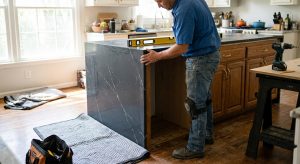
Although there are people who tackle countertop installations as a DIY project, waterfall counters are particularly intricate. Proper mitered edges, near-invisible seams, and structural support all rely on precise craftsmanship. You might also need to coordinate with a builder or cabinetmaker to ensure the island’s base can handle the weight of heavy stones. For more details about load requirements, waterfall countertop weight considerations can be a helpful read.
Engaging a team that has plenty of experience crafting and installing waterfall countertops makes a world of difference. Fabricators skilled in stone matching can ensure that veins, color patterns, or textures line up perfectly from the countertop surface down the waterfall edges. You can also discuss extra features like built-in shelving or integrated outlets that maintain your kitchen’s cohesive design.
Create a supportive environment
Upgrading your kitchen is an exciting opportunity, but it can also be challenging: Are you choosing the right style? Will the design flow nicely with the rest of your home? These concerns are normal, and it helps to have a supportive environment that guides you through the process. By working with a team that respects your goals, acknowledges any unique challenges, and provides individualized plans, you can move forward with more confidence.
Tailor the design to your needs
A comprehensive approach does not mean bombarding you with dozens of options you do not need. Instead, it means focusing on what you want: Do you prefer a subtle, neutral palette, or do you want bold marbling that demands attention? Maybe your space calls for a narrower island, or you need a design that accommodates a small dining nook. Whatever your tastes and requirements might be, a thoughtful design team can shape a personalized plan that aligns with your vision.
Overcome common roadblocks
Many homeowners worry that they might tire of a bold waterfall style or that it could go out of fashion. Although design trends do shift, the waterfall concept has proven remarkably enduring in modern and contemporary kitchens, offering a timeless sophistication that rarely feels outdated (Aqua Kitchen and Stone Gallery). If you love the look now, chances are you will continue to appreciate its sleek lines in the future. Even if you change the rest of your decor, a neutral countertop often remains a beautiful anchor.
Enhance your kitchen’s potential
Another compelling reason to opt for a waterfall countertop for contemporary island design is the potential for greater workspace and seating capacity. By extending the material down one or both sides, you can incorporate a flush seating arrangement or tuck stools neatly underneath. The vertical drop might also give you the space to hang hooks for towels, pot holders, or other kitchen essentials without disrupting the design’s flow.
Make the island your centerpiece
Because waterfall designs are highly eye-catching, they often serve as a focal point in the center of your kitchen. With a well-lit environment—perhaps using under-cabinet or pendant lighting—you can highlight the textures and hues of your chosen material, reinforcing a sense of refined style. This is especially appealing if you enjoy entertaining, as guests will naturally gather around the island. You can also use the island for family breakfasts, reading the morning news, or simply enjoying a cozy cup of coffee in the quiet hours of the day.
Adaptable to multiple kitchen layouts
Whether you have a sprawling open-plan kitchen or a more compact cooking space, waterfall edges can be adapted to fit your specific layout. In larger kitchens, dual waterfalls are a common approach, while in tighter quarters, a single waterfall edge can still make a bold statement without overwhelming the space (The Spruce). You might also consider combining a waterfall island with additional elements like a waterfall backsplash, which you can explore at waterfall backsplash waterfall continuity.
Frequently asked questions
Below, you will find answers to the top five questions about choosing and maintaining a waterfall countertop. By addressing these points, you can feel more confident about moving forward with a design that complements your home.
1. Are waterfall countertops worth the cost?
Yes, if you are looking for a statement piece that merges durable functionality with modern aesthetics. Waterfall countertops often cost more up-front due to the extra material and labor, but they can raise your home’s overall value and visual appeal. For a detailed overview of typical expenses, check out cost of waterfall countertop per square foot.
2. How do I maintain a waterfall countertop?
Maintenance largely depends on the material. Quartz requires minimal care, simply periodic wiping and mild cleaners, while natural stones like marble and granite often need sealing every so often. Regardless of the surface, promptly cleaning spills and using appropriate products helps extend the countertop’s lifespan. For in-depth tips, visit waterfall countertop maintenance tips.
3. What is the difference between quartz, marble, and granite waterfalls?
Quartz is engineered for high durability and low maintenance, making it especially practical. Marble offers classic luxury with unique veining but can be more prone to stains if not nurtured well. Granite is prized for its strength and distinct natural patterns. Each material can be formed into a waterfall edge, but the look and upkeep will vary. You can delve deeper into marble’s lavish aesthetic by checking out marble waterfall luxury aesthetics.
4. Can I add a waterfall edge to just one side?
Absolutely. You can opt for a single-sided waterfall if you prefer a lower price tag or if your kitchen layout leaves one side of the island against a wall. A one-sided waterfall can create a striking “floating” effect, while still giving you extra protection where you need it most. Some homeowners find that a single side is the perfect balance between distinctive style and moderate cost (The Spruce).
5. Will my kitchen feel smaller with a waterfall island?
In many cases, no. Waterfall designs can actually create a sense of continuity that makes a space feel more open. The uninterrupted lines draw the eye downward, emphasizing the island’s vertical dimension instead of just its footprint. If space is tight, you can explore narrower islands or carefully chosen materials (such as light-colored quartz) to preserve an airy atmosphere.
Final thoughts
Choosing a waterfall countertop for contemporary island installations can revitalized your entire kitchen environment. By acknowledging your unique design challenges, working with comprehensive guidance, and implementing an individualized plan, you gain the support necessary for a lasting and stylish upgrade. Whether you lean toward luxe marble, easy-care quartz, or rustic wood, a waterfall edge unites function and artistry in a way few other countertop designs achieve.
If you are still weighing your options, it helps to speak directly with experienced professionals who can evaluate your space, your budget, and your preferences. Remember, careful planning—covering everything from the layout to structural support and material selection—lays the groundwork for a smooth installation. With the right approach, you can look forward to a kitchen that is not just beautiful in photos, but also supportive of your everyday routines. Take the next step with confidence and make your kitchen a space that reflects both who you are and how you love to live.