Are you considering a fresh look for your cooking space and hoping to create an atmosphere that radiates both elegance and modernity? Choosing a waterfall countertop for modern kitchen upgrades can be a transformative step that boosts both functionality and style. A waterfall countertop seamlessly extends from the top surface down the sides of your cabinets or island and touches the floor, creating a continuous, cascading appearance. This sleek, commanding design element has become a favorite among homeowners who want an eye-catching focal point in their kitchens. Yet, it is understandable to feel uncertain or overwhelmed about making such an investment. This guide aims to offer clarity, foster confidence in your decision, and help you understand why waterfall countertops in premium quartz, marble, granite, and solid-surface materials are worth exploring.
From the durability of quartz to the timeless appeal of marble, selecting a waterfall design can truly elevate your kitchen into a contemporary haven. You deserve to feel reassured every step of the way, so this article walks you through each detail: cost considerations, material comparisons, edge profile styles, installation tips, and ongoing maintenance. Drawing on industry research (EdStone Inc., Reborn Renovations, Homes & Gardens, Caesarstone US, Better Homes & Gardens), you will find evidence-based insights that ensure you can make an informed choice.
Below, you will discover the benefits of waterfall countertops, gain a clearer sense of the investment involved, and learn how to keep them looking pristine. This information comes from a supportive and reliable perspective focused on giving you the confidence you need to move forward. Let’s explore every facet of this unique countertop style, so you can decide if it is the right fit for your or your loved one’s premium countertop project.
Discover waterfall countertops
Why choose a waterfall design
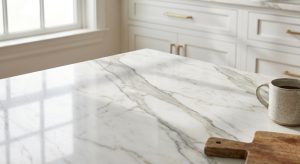
A waterfall countertop creates a striking vertical drop at the edge of your kitchen island or cabinets, delivering a visual statement that is bold, clean, and undeniably sophisticated (Homes & Gardens). Rather than ending abruptly at the countertop’s edge, the surface continues gracefully down the sides until it meets the floor. This design instantly infuses any kitchen with a sense of flow, making your cabinetry and surface appear as one cohesive piece.
Many homeowners are drawn to the minimalist aesthetic that a waterfall countertop provides. If you love contemporary or transitional design schemes, the angular lines and uniform faces are a compelling choice. However, what truly makes a waterfall countertop so appealing is the wide range of materials and finishes available. From subtle, solid-colored quartz to richly veined marble, you can customize elements like thickness and edging to align with your personal taste.
Because it visually extends the countertop space, a waterfall design can also serve as a subtle divider in open-concept homes or condo layouts. It helps define the kitchen area without erecting walls or imposing heavy barriers. If you have guests over frequently, the wrap-around structure can even act as a conversation piece that invites people to gather around the island. Whether you crave a refined highlight or want more seating options, this choice can enrich the functionality of your kitchen while maintaining a crisp, modern flair.
Common materials and benefits
Waterfall countertops can be crafted from various materials, each offering a different look and varying degrees of durability:
- Quartz: Currently the most popular for waterfall designs, quartz offers consistency in pattern and the ability to seamlessly book-match veining or color (Caesarstone US).
- Marble: Provides an unmistakable aura of classical luxury, though you do need to mind its porous nature and more frequent maintenance needs.
- Granite: Known for its impressive durability and stain resistance, it is a go-to for many seeking a natural, one-of-a-kind pattern.
- Solid-surface (e.g., acrylic or resin-based): Delivers a smooth, uniform appearance with fewer visible seams.
A common thread unites these materials: each can be shaped into a sleek, uninterrupted face that suits a contemporary or transitional kitchen. Whether you want the effortless care of quartz or the timeless allure of marble, a waterfall design enhances the beauty of these surfaces by placing every inch in the spotlight.
If you are curious about specific benefits of the stone variety you have in mind, consider checking out resources like quartz waterfall waterfall design for an in-depth view of how quartz pairs with this design or marble waterfall luxury aesthetics if you love the classic elegance of marble.
Compare premium countertop materials
Quartz: The trending choice
If you are searching for a modern, high-performing, and visually consistent option, quartz stands out as a top contender for a waterfall countertop. Engineered stone such as quartz is renowned for its strong resistance to stains and scratches, thanks to its non-porous surface. It is also relatively low maintenance, demanding only regular wiping with mild cleaning solutions to keep it gleaming (Caesarstone US). Plus, quartz offers stunning consistency in color and veining, making it easier to achieve a true “waterfall” effect.
Another perk is that consistently patterned quartz reduces the risk of mismatched edges, resulting in a harmonious flow from the horizontal surface to the vertical face. This is especially convenient if you love the look of continuous grain or veining without interruption. If you would like deeper insights into why this option can be so resilient and long-lasting, visit waterfall countertop quartz durability.
Marble: Classic elegance
Marble has historically been a symbol of luxury. With its signature veining patterns and refined sheen, marble can bring a sense of artistry and timeless elegance to your kitchen (Homes & Gardens). If you choose a marble waterfall countertop, you end up showcasing every inch of this natural stone’s unique looks, creating a centerpiece that is reminiscent of high-end design magazines.
However, keep in mind that marble is naturally porous. Spills, especially those that are acidic, should be wiped away promptly to prevent etching or staining. Regular resealing is often recommended as part of the upkeep for a marble countertop. If you love the sophistication of this material and are willing to manage upkeep a bit more closely, feel free to learn more at waterfall countertop marble elegance.
Granite: Timeless resilience
Durability is a hallmark of granite, which easily withstands the daily hustle of a busy kitchen. Because each granite slab is created naturally, it features distinctive patterns and colors. If you prefer the organic complexity of genuine stone, a granite waterfall design offers both functionality and visual intrigue (EdStone Inc.).
Granite resists heat quite well and, with proper sealing, can be protected against staining. Though some granite varieties can be more expensive, many homeowners see it as a long-term investment that will maintain its distinctive charm for years. If you are comparing the stain and scratch protection granite can bring, consult granite waterfall stain resistance.
Solid-surface: Versatile aesthetic
Solid-surface countertops are typically made from acrylic or resin-based composites. These surfaces come in countless colors and finishes, making it simpler to match specific palettes or design preferences. Solid-surface materials are popular for curved or sculpted designs, while also limiting visible seams across the cascading edge.
In a modern or transitional kitchen, a solid-surface waterfall can complete the overall look by creating clean lines and a uniform face. Keep in mind, though, that not all solid-surface materials stand up to heat or scratches in the same way quartz or granite might. Evaluate your cooking habits and cleaning routines to see if a solid-surface material truly fits your daily life.
Evaluate cost considerations
Factors affecting price
Cost is often a paramount concern when contemplating a waterfall countertop. More material is typically required compared to traditional counters, because you need to cover not just the countertop surface but also the vertical drop. Prices for stone slabs, including quartz or granite, may range from $40 to $100 or more per square foot (Caesarstone US). Meanwhile, installation costs can hover around $60 to $200 per square foot (Reborn Renovations), and fabrication costs—especially if a CNC machine is involved—can add up to $2,000 to your total (Better Homes & Gardens).
Why such variability? Several factors influence the final cost:
- Material quality and rarity of the stone
- Labor intensity, particularly for mitered edges and precise veining alignment
- Thickness of the slabs, which can range from 2 to 3 inches or more
- Geographic location and demand for skilled fabricators
Choosing a waterfall countertop for modern kitchen environments can be more costly, but many homeowners consider the design value worthwhile. If you want a detailed breakdown of pricing structures, you can review the cost of waterfall countertop per square foot.
Working with skilled fabricators
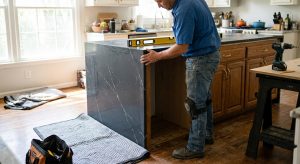
The creation of a mitered waterfall edge demands exacting skills to ensure the seams align properly. This is especially vital if your chosen material has prominent veining, such as marble or certain quartz patterns, because you want the lines to flow seamlessly from horizontal to vertical. Working with a seasoned fabricator not only reduces the risk of poorly joined edges, but it also helps guarantee an immaculate finish that stands the test of time (Better Homes & Gardens).
When interviewing potential professionals, ask about their track record with waterfall countertops. You will want to see samples of previous work or images of completed projects. Precise measurements, meticulous cuts, and perfect alignment are demanding tasks that require specialized expertise. Feel free to research waterfall countertop professional installation if you are curious about the difference a truly qualified team can make.
Consider pros and cons
Before you commit, it can be helpful to reflect on the overall advantages and disadvantages of this countertop style.
Pros
- Striking and luxurious design that acts as a focal point
- Opportunities for additional seating if the countertop overhang is extended
- Protection for your cabinetry under the counter, as the sides are shielded by the countertop material (Reborn Renovations)
- Can increase property value and modernize the entire kitchen aesthetic (EdStone Inc.)
Cons
- Requires more material, leading to a higher price point
- May reduce storage or open cabinet access if the waterfall covers drawer or cupboard areas
- Some materials (like marble) demand extra care and maintenance
- Not always suitable for traditional or rustic kitchen themes (Caesarstone US)
You can read a more in-depth analysis at waterfall countertop pros and cons for a balanced view of what to anticipate. This style, while alluring and meticulously crafted, is not the universal preference for every design scheme. Weighing out the positives and potential drawbacks will help you decide if it aligns with your vision, budget, and practical expectations.
Select appealing edge styles
Beyond the sweeping vertical design, you can express your personal style with edge profiles that subtly shape the countertop’s look. Edge styles for a waterfall countertop range from truly minimal to eye-catchingly elaborate. According to stone experts (EdStone Inc.), some popular choices include:
- Square edge: Finished with a small radius or bevel, this profile is a staple of modern kitchen design.
- Beveled edge: Cut at a precise angle, it can reduce signs of wear. The angled top surface defines each side with a geometric line.
- Half-bullnose edge: Features a curved top edge and straighter bottom edge, preventing liquids from dripping underneath.
- Sculptural or organic shapes: These emerging trends incorporate curved or asymmetrical edges, making each piece feel like a work of art.
Choosing an edge profile has both aesthetic and functional implications. If you want a consistently sleek look, the square edge is a safe bet. Meanwhile, a beveled edge can soften harsh angles or provide protection from corner bumps. For more inspiration, consider reading about waterfall countertop edge styles. Having a clear sense of edge design as you finalize your material choice can tie all elements together for a harmonious look.
Plan proper installation
Professional vs. DIY approach
Installing a waterfall countertop is far more complex than placing a standard slab. Precise miter cuts of 45 degrees must align perfectly where the top and the side pieces meet to form a seamless 90-degree angle, giving the impression of a single, continuous piece. Even a slight discrepancy in cutting can create visible gaps or mismatched veining.
While you might be handy with home improvements, it is wise to think about whether a do-it-yourself approach is realistic here. Many waterfall installations call for heavy-lifting equipment, specialized adhesives, and the knowledge to handle expensive materials with minimal risk. If you are curious about potential challenges or want to weigh the benefits, you can visit waterfall countertop diy considerations for a more detailed breakdown.
Structural support
If your countertop doubles as a breakfast bar or extended seating area, you will need to ensure it is structurally sound. In some cases, brackets, corbels, or internal support beams might be required, especially if your slab is on the thicker side or if you plan for an extended overhang (Reborn Renovations).
This step may include reinforcing the lower cabinets or the subfloor (particularly for heavier materials like granite) to prevent bowing or cracking over time. The stability of a vertical panel is essential, so consult a professional on how best to meet your support needs. If you want to see what else might be involved, take a look at waterfall countertop support requirements.
Maintain and safeguard
Consistent care keeps your waterfall countertop looking vibrant for years to come. While it might initially seem daunting, the day-to-day upkeep is usually straightforward, especially if you select a sturdy material like quartz or granite (Caesarstone US).
Here are a few steps to maintain different surfaces:
- Quartz: Wipe up spills quickly with a mild detergent, and use a non-abrasive sponge. Resealing is typically not required.
- Marble: Reseal every few months or as directed, and blot stains promptly to avoid etching. Use pH-neutral cleaners.
- Granite: Reseal periodically, depending on the specific type and porosity of the stone. Use a gentle cleaner labeled safe for stone.
- Solid-surface: Avoid exposing it to very high heat, and buff out minor scratches with fine sandpaper if recommended by the manufacturer.
Balancing these simple steps and promptly addressing spills will keep your countertop’s finish pristine. Over time, you may need occasional professional repairs if a sharp object chips the edges or if you notice slight unevenness near the seams. For a detailed care regimen, see waterfall countertop maintenance tips.
Frequently asked questions
-
How much does a waterfall countertop typically cost?
Prices vary based on the material and labor rates in your area. You could spend between $60 and $200 per square foot (Reborn Renovations), and additional fabrication or installation fees can push the cost higher. Refer to cost of waterfall countertop per square foot for more details. -
Is a waterfall design unsuitable for traditional kitchens?
While a waterfall countertop complements modern or contemporary spaces more naturally, it can be adapted to transitional or even rustic designs if you choose a suitable material and edge profile. Yet, the seamlessly cascading look might clash with very ornate or vintage cabinet faces (Caesarstone US). -
How do I select the best material for a waterfall design?
Consider your lifestyle, budget, and maintenance preference. Quartz is favored for its low maintenance, marble for its elegance, and granite for its durability. Solid-surface is also an option if you want consistent color and fewer seams. -
Will I lose cabinet access with the vertical sides?
A waterfall countertop can cover the edges of cabinetry or shelving. If you plan carefully, though, this impact can be minimal. Engineers or installers can leave an opening or design the piece to avoid covering key cabinet doors entirely. -
Do I need professional installation?
While some individuals enjoy tackling home projects, installing a waterfall countertop requires precision tools, advanced fabrication techniques, and experience handling heavy slabs. An expert can ensure everything lines up perfectly and reaffirm that the weight requirements are met (Better Homes & Gardens).
Take the next step
A waterfall countertop can profoundly impact your kitchen, establishing a focal point that seamlessly merges style with practicality. Finalizing this choice involves striking a balance between creative expression and tangible needs, such as everyday durability and budget. By exploring materials such as quartz and marble, factoring in fabrication costs, and considering how the design syncs with your interior, you place yourself squarely on the path toward an informed choice.
Throughout this process, remember that you do not have to navigate these steps alone. Consulting an experienced fabricator can help determine whether reinforcing your island or adjusting the overhang is necessary, as well as line up the seams impeccably to highlight the natural beauty of your chosen material. Feel free to investigate additional resources like waterfall countertop installation risks, waterfall countertop design trends, and waterfall vs flush countertop design to solidify your plans.
Whether you gravitate toward polished quartz, timeless marble, or rugged granite, a waterfall countertop can be a powerful statement that modernizes the entire room. Embrace the possibilities, weigh the costs, and discover how this refined design can nurture not just a fresh look in your home, but a sense of confidence every time you step into the kitchen. By investing in premium materials and thoughtful installation, you give yourself the supportive environment necessary to enjoy a sleek, lasting centerpiece that elevates both your décor and your day-to-day cooking experience.