Waterfall countertop granite benefits can transform your kitchen into a striking, modern space that merges aesthetic appeal with functional durability. If you are planning to invest in a premium surface for your island or cabinetry, granite offers a robust yet visually captivating option. Because granite is a naturally formed stone, its patterns are unique in every slab, helping you achieve a distinguished look that resonates with both contemporary and transitional kitchen designs. In this article, you will discover why waterfall countertops made of granite can be an excellent choice for you or a loved one seeking premium quartz, marble, granite, or solid-surface countertop projects. Through a clear and supportive lens, we will explore the most compelling reasons to embrace a granite waterfall design, discuss key cost factors, and provide practical maintenance tips to ensure long-lasting beauty and functionality.
Recognize the appeal of granite waterfalls
Explore unique aesthetic advantages
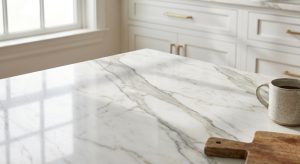
Granite, known for its natural beauty and distinctive veining, stands apart for its elegance. When extended down the sides of a kitchen island to form a waterfall, it creates a one-of-a-kind focal point that naturally draws attention. Waterfall countertops use meticulously mitered edges to achieve a seamless flow from horizontal to vertical planes. This means that, instead of stopping abruptly at the edge of your island, the granite slab continues downward, resembling a flowing “waterfall” over the side.
- Granite qualities that enhance this look:
- Distinct patterns formed by natural minerals
- Variety of color ranges, from warm earth tones to cooler grays and blacks
- Polished finish that maintains a sleek, reflective appearance
Such eye-catching appeal complements a wide range of kitchen styles. Whether you desire a minimalist space or a transitional setting, a granite waterfall edge can instantly upgrade your environment by injecting a sense of refinement and artistic flair.
Emphasize function and value
A waterfall edge isn’t purely about style. Granite is renowned for its resilience, making it an excellent candidate for high-traffic countertop use. By allowing the stone to wrap the edges of your cabinetry, you effectively shield vulnerable corners from daily bangs and scuffs. Waterfall countertops can also help conceal appliances or storage areas under the overhang, creating a clean and clutter-free look.
Several homeowners find that granite waterfall installations can bolster overall property value. A show-stopping countertop that exudes luxury and sophistication often appeals to potential buyers or guests and can help differentiate your home in a competitive market (Northern Craft).
Discover key functional benefits
Durability for daily life
One of the most compelling aspects of granite for kitchen countertops is its enduring strength. As a natural stone, granite ranks high in terms of hardness and density, making it resistant to scratches and chips that can easily occur in busy kitchens. Its heat tolerance also allows you to set down a hot pan or dish with minimal risk of damage.
Extending this sturdiness to a waterfall design ensures that the sides of your cabinetry or island gain additional protection from daily wear. Whether it’s from pets dashing by or children riding scooters in the kitchen, your new countertop is designed to handle community living without succumbing to quick damage.
Essential maintenance steps
Granite does require basic upkeep to maintain its pristine condition, especially when used in a waterfall layout where more surface area is exposed. Proper sealing keeps a granite countertop relatively non-porous. While this step is part of the initial installation, you typically need to re-seal the granite every year or two. According to industry recommendations, white or light-colored granite might need sealing a bit more frequently than darker shades due to its increased likelihood of showing stains (MSI Surfaces).
To keep your countertop sparkling:
- Use a soft cloth for dusting
- Rinse with water or mild soap when needed
- Avoid abrasive cleansers or harsh chemicals
- Look for specially formulated stone cleaners with a neutral pH
Granite is generally forgiving, and any superficial watermarks or discolorations often disappear once the surface dries.
Protective design advantages
Waterfall edges act as a shield for your cabinets, protecting their sides from spills, dings, and other forms of damage. If your kitchen layout is prone to traffic or if you have a large household, this design is especially helpful. The vertical continuity formed by the slab can also hide outlets or unsightly cabinet edges, leaving your space streamlined and cohesive.
By investing in a granite waterfall edge, you position yourself to benefit from a sturdy design feature that can endure high activity levels—all while ensuring your cabinets remain in top condition. These advantages lead many homeowners to see a return on their investment in the long term.
Compare granite with other stones
Quartz, quartzite, and marble
When weighing the benefits of a granite waterfall countertop, you may wonder how it stacks up against other leading materials. Marble, for instance, exudes a soft luxury with its distinct veining and polished appearance. However, marble is more porous and prone to etching, meaning that spilled acidic liquids can wear away at the surface over time (Cut2Size). Quartz, on the other hand, typically requires less frequent maintenance and doesn’t need sealing, but the look can be more uniform, which might not appeal to those who seek granite’s natural variations.
Quartzite is a beautiful option closely resembling marble’s elegance and granite’s durability. Because quartzite is also a natural stone, it has unique, striking patterns, but it sometimes carries a higher price tag. If you are uncertain which material suits you best, consider how much maintenance time you can realistically commit and whether you appreciate organic, varied veining or prefer a consistently even style.
If you want more information on quartz waterfall builds, you can explore this helpful article on waterfall countertop quartz durability. It highlights how quartz may compare to other natural stones in terms of toughness and longevity.
Choosing the right match
It is wise to balance personal taste, lifestyle, and budget when selecting a waterfall countertop material. If you choose granite, you can trust its solid reputation for ruggedness and timeless appearance. If you are drawn more toward luminous veining, you might prefer waterfall countertop marble elegance. Meanwhile, if consistent patterns and limited maintenance are paramount, quartz might be the better approach.
A granite waterfall countertop calls attention to the raw, geological beauty of the stone, elevating many kitchen designs. Ultimately, your decision should align with how you envision using your kitchen space and the level of upkeep you find manageable.
Plan your design approach
Consider modern or classic themes
Selecting granite for a waterfall edge does not limit you to ultra-modern aesthetics. Indeed, a granite waterfall integrates well with transitional or traditional spaces. The natural striations and color patterns in granite can warm up a contemporary design or add a bold statement to a classic, farmhouse-style kitchen. The waterfall extension can be partially down one side to create a balanced focal point, or it can wrap both sides of the island for maximum impact.
When you are choosing between different design looks, keep in mind the synergy between your countertop’s hue and the rest of your kitchen finishes. Whether you want to highlight the beauty of a dark, moody granite or bring out subtler notes in softly veined stone, coordinating your design elements ensures that the entire space harmonizes visually.
If you want more direction on selecting a style that suits a modern island, feel free to look at the overview on waterfall countertop for modern kitchen. You may find inspiration for streamlined design themes that let your new waterfall become the star.
Blend with cabinets and fixtures
A well-chosen waterfall countertop can unify your backsplash, cabinetry, and flooring. Because granite often showcases multiple color accents, you can pick complementary shades for your cabinets. Alternatively, you might choose cabinet shades that contrast your stone. For instance, pairing a dark granite hue with light-colored cabinets creates a well-defined, sophisticated look. Similarly, your lighting and hardware choices can either blend in or stand out for added flair.
- Ways to enhance coordination:
- Match subtle tones in your granite to the finish on your cabinet knobs or handles
- Use lighting fixtures with metal accents that echo the granite’s specks
- Select a backsplash that complements the primary color highlights in the stone
This level of attention to detail helps your granite waterfall become more than an isolated statement piece, weaving it seamlessly into the overall kitchen design scheme. You can also find ideas for pairing your countertops with other elements in waterfall countertop design trends, which dives deeper into modern ways to coordinate various fixtures.
Evaluate cost and investment
Factors influencing pricing
Waterfall countertops typically come with a higher price tag than straight-cut countertops. The main reason is the extra slab material required for the sides and the careful fabrication needed to align the veins and achieve perfect miters. According to one source, fabrication work for waterfall edges can add $1,000 to $2,000 to your project, on top of the material itself, due to the precision and skill required (BHG). You also need additional support structures to keep the vertical slab as sturdy as the horizontal section.
Granite prices can swing significantly depending on rarity, veining complexity, and local supply. In addition to the stone itself, you should factor in labor expenses for cutting, seaming, and installing multiple granite panels. If you need an estimate, consider checking cost of waterfall countertop per square foot for a more thorough overview of potential expenses, though final quotes usually require on-site evaluations.
Estimating material and labor
Exact costs for your project will hinge on your kitchen’s layout and the quality or type of granite you pick. Rare stones with exceptional patterns can substantially drive up costs, while more common varieties might fit well within your budget. On average, it’s not unusual to see a range from $5,000 to $13,000 or more for a waterfall island made of mid- to high-end slabs (Cut2Size). That wide range reflects the custom nature of material choice, labor variations, and geographical differences.
If your island extends beyond the standard sizing or includes unique structural elements like integrated seating or panel extensions, anticipate additional expenses. Also keep in mind that the more complex the layout, the higher the labor costs, as the installers must tackle multiple angles and ensure seamless joints.
Rely on professional expertise
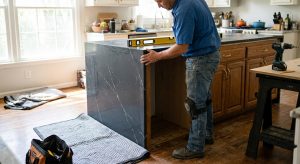
Installing a waterfall countertop is a project best left to skilled fabricators and contractors. The corners must align flawlessly in order to maintain the illusion of a single, continuous slab. This involves careful measurement, mitered cuts at 45 degrees, and precision sealing to create a nearly invisible seam. If done incorrectly, the result could be an awkward mismatch or visible joint, which diminishes the entire visual effect.
Working with reputable installers helps you achieve an enduring and sturdy waterfall. While you might think of tackling this design yourself, the margin for error is slim. If you want more guidance, waterfall countertop professional installation can provide insight into the process and why expertise matters for ensuring the best final result.
Incorporate additional tips
Inspect your space thoroughly
Before proceeding, it pays to examine your kitchen layout and the potential traffic flow around the island. Check for any obstacles, like doors or drawers that might hit the waterfall edge. Consider how you use the kitchen daily—do you often cook for multiple people at once? Do you host guests who gather around the island? Figuring out these practical dynamics will help you pinpoint the best configuration, whether you choose a single side waterfall, a double side waterfall, or an extended overhang for extra seating (Lily Ann Cabinets).
- Key considerations for planning:
- Sufficient walkway clearance around the waterfall edge
- Adequate support under extended overhangs
- Placement of outlets and wiring integration
Follow recommended sealing guidelines
Granite’s natural porosity means you need to be consistent about resealing the surface. In a waterfall design, it is important to thoroughly cover the vertical faces as well. While sealing helps create a nonporous barrier, you still want to clean up spills quickly to avoid any risk of deeper stains.
If you want to extend the elegance of granite while protecting the stone, using high-quality sealant products is one of the main ways to preserve the waterfall’s look. For more detailed suggestions on how to keep your waterfall in excellent condition, take a look at waterfall countertop maintenance tips. Skilled professionals can also inspect your countertop yearly to determine when resealing is required, ensuring it stays in top shape.
FAQs
-
Is a waterfall countertop more expensive than a standard countertop?
Generally, yes. You need extra material to create the vertical section, as well as more fabrication work. The edges must be mitered and aligned carefully, which can increase both the cost of the slab and the labor. -
How often should I reseal a granite waterfall countertop?
It depends on the color and porosity of your granite. In many cases, once a year is sufficient, although lighter colors may need more frequent resealing. Watch for signs such as water absorption or a noticeable change in sheen. -
Will the granite stain or discolor if water sits on it too long?
If your granite is properly sealed, most liquids will not penetrate quickly. However, standing water or acidic substances can eventually cause minor marks. Any discoloration typically disappears after the countertop dries, but best practice is to wipe up spills promptly. -
How can I match the veins at the waterfall edges?
Professionals typically use digital layout tools and advanced cutting equipment to ensure that the stone’s pattern or veining aligns. This process involves cutting adjacent pieces sequentially so that their natural patterns flow seamlessly over the edge. -
Can a waterfall edge incorporate an overhang for seating?
Absolutely. An extended portion of granite can serve as a functional seating area. However, you need to ensure the overhang is well supported. Sturdy brackets or hidden steel supports will help prevent sagging over time (O’Hanlon Kitchens).
Conclusion
Opting for a granite waterfall countertop can provide you with more than just a design statement. From remarkable durability and heat resistance to a truly show-stopping aesthetic, granite is a natural choice for premium kitchens. Although the fabrication process can incur higher initial costs, the result is a visually cohesive and protective feature that stands the test of time. By blending the unique patterns of granite with the seamless lines of a waterfall design, you enhance both form and function.
When deciding on your next custom project, bear in mind the supportive services offered by professional installers who specialize in waterfall designs. Their expertise ensures that you receive not only a beautiful countertop but also one that performs reliably for years to come. If you are exploring additional surfaces such as quartz waterfall waterfall design or want to know more about the waterfall countertop pros and cons across various materials, consult these resources to gain well-rounded insights.
Embrace the enduring appeal of a granite waterfall countertop to create a stunning centerpiece that speaks to your distinctive style. By following recommended maintenance, planning carefully for the added expenses, and working with seasoned professionals, you establish a space that resonates with both creativity and practicality. Let your kitchen become a space of reassurance, empowerment, and timeless beauty.