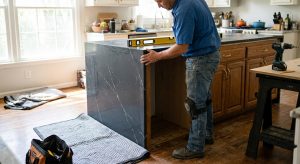
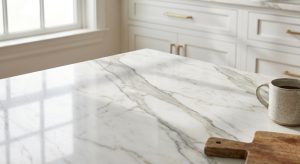
Whether you are redesigning your current kitchen or starting from scratch in a new home, waterfall countertop space planning can create a truly impressive focal point. This captivating style involves extending your chosen surface material vertically down the sides of an island or cabinet, which helps you achieve sleek lines and a modern appearance. In the sections that follow, you will discover how to plan your layout effectively, pick suitable materials, and maintain a cohesive kitchen design. By approaching each step with knowledge and careful consideration, you can create a supportive, well-organized environment that enhances both function and beauty in your space.
Explore waterfall countertop basics
When you first encounter a waterfall countertop, it is easy to see why it stands out. Unlike standard countertops that stop abruptly at the edge, waterfall designs let the surface material flow elegantly down to the floor. This visual effect evokes the idea of water cascading over a ledge, giving your kitchen a contemporary and sophisticated look.
What makes these countertops special
- Continuity: Waterfall countertops create seamless transitions by wrapping surface materials around the sides. This eliminates any harsh break or boundary where the countertop would typically end.
- Durability: Extending the material downward can help protect cabinet edges from bumps or scrapes. According to design specialists, the vertical faces of a waterfall countertop act as a shield against daily use, reducing potential damage (KKR Stone).
- Visual impact: This design adds a dramatic focal point, capturing attention and setting a modern tone. Because they draw the eye downward, they highlight the distinctive qualities of materials like marble veining, wood grain, or granite patterns.
- Versatility: You can orchestrate many styles with a waterfall countertop, from minimalistic glossy quartz surfaces to rustic wooden edges that blend seamlessly into farmhouse kitchens (Sweeten).
The history behind waterfall slabs
Though waterfall countertops became mainstream around 10 to 15 years ago, their lineage goes back decades. Early roots in Art Deco style and mid-century modern furniture showcased sharp lines and layered materials that created a similar visual flow (Better Homes & Gardens). Today, advanced fabrication methods allow stone, quartz, or wood to be mitered at precise angles, resulting in a flawless corner where the horizontal surface meets the vertical panel.
How they transform your home
By guiding the eye down to the floor, a waterfall edge defines the kitchen island as more than just extra counter space. It becomes a design statement that enhances the room’s overall atmosphere. Beyond appearance, the extended edge also offers practical benefits. Some homeowners find it easier to keep the area clean and neat due to a single surface wrapping around. This consistent style can also boost property value when done with high-quality materials.
Plan your layout effectively
Before deciding on a specific shape, size, or aesthetic, thoughtful space planning will help ensure that your waterfall countertop fits seamlessly into your kitchen layout. Waterfall countertops demand attention, so giving them ample room to shine is crucial. At the same time, you want to avoid overwhelming your space.
Measure and visualize
Begin by measuring the dimensions of your kitchen, focusing on the area reserved for the island or cabinets you wish to showcase with a waterfall edge. Plan for comfortable walking paths and enough clearance around appliances. In some setups, you might prefer a one-sided waterfall design to preserve seating space—particularly useful if you want to tuck in barstools without obstruction.
- Document your kitchen’s overall dimensions.
- Determine which sides, if any, need open seating.
- Identify walking spaces and traffic flow routes.
- Sketch a simple floor plan showing counters, appliances, and potential overhangs.
Taking the time to assess your space can help you figure out how large your waterfall element should be. Because these countertops drop down vertically, you may lose some opportunities for extra legroom if the design extends around more than one side. If you prefer more seating, a single waterfall edge might be the best option (Kansas City Kitchen Remodeling).
Consider layout challenges
When you decide on a waterfall countertop, be mindful of key differences in traffic flow. The vertical edge will act like a wall, so you may not be able to slide chairs or stools underneath from all angles. Additionally, ensure that the shape does not interfere with cabinet doors or dishwasher doors when they swing open. By tackling these concerns early, you maintain a supportive environment for family members or guests to navigate around the kitchen.
You should also weigh any pros and cons of different layouts—perhaps you are uncertain whether a waterfall or a more traditional flush design would suit your space. If you want more clarity, compare them directly by exploring helpful resources like waterfall vs flush countertop design. Balancing these specifics can help you keep your everyday kitchen activities comfortable.
Optimize your design early
Space planning is about more than just measurements. It is also about visual harmony. Consider the style or color you have in mind for your cabinets and flooring. A richly veined marble might appear too busy in a small kitchen, while a sleek quartz or subtle granite might thrive in an open-concept room. Whether you want bold contrast or a monochromatic palette, spend a little extra time selecting that perfect look. Proper planning is a tailored approach that will save you from headaches later, ensuring your final result delivers exactly what you envision.
Compare popular materials
One of the most significant decisions when choosing a waterfall countertop is deciding which material best suits your aesthetic, budget, and maintenance preferences. Different stones and surfaces boast unique benefits—some emphasize easy upkeep, while others radiate a luxurious charm. Exploring the pros and cons of each will guide you toward a comprehensive choice for your kitchen’s centerpiece.
Quartz
Quartz countertops rank high in popularity because of their durability, consistent patterns, and relatively low maintenance. They stand out for resisting stains, scratches, and heat better than many natural stones. Additionally, engineered quartz can replicate the look of marble or granite without the inherent porosity.
- Advantages: Non-porous, minimal upkeep, uniform patterns
- Consideration: Average to high cost
- Further reading: waterfall countertop quartz durability
Marble
Marble’s elegance is timeless, featuring flowing veins and natural coloration that can immediately elevate a room. Carrara white and Calacatta gold, for example, are well-known options that exude classic luxury (Sweeten). However, marble typically requires careful maintenance, as it is prone to etching and staining.
- Advantages: Luxe, classic aesthetic, distinct veining
- Consideration: Requires sealing and is vulnerable to scratches
- Further reading: waterfall countertop marble elegance
Granite
Granite often appeals to homeowners seeking a bold, natural stone look with unique color variations. It resists heat and can handle straightforward daily usage well. Although granite is fairly durable, it may need periodic resealing. Its distinct patterns can become the focal point in your design.
- Advantages: Heat resistant, variety in patterns, robust
- Consideration: Can demand occasional resealing
- Further reading: waterfall countertop granite benefits
Solid-surface options
Solid-surface countertops provide a smooth appearance without visible seams, which can heighten the modern, uninterrupted flow of a waterfall edge. They are typically easy to repair and maintain. However, some solid-surface materials may be more vulnerable to heat damage when compared to stone.
- Advantages: Seamless look, moderate maintenance, easy repairs
- Consideration: Heat sensitivity relative to quartz or granite
A quick comparison table
| Material | Durability | Maintenance Needs | Cost Range | Aesthetic |
|---|---|---|---|---|
| Quartz | High | Low | Mid to High | Modern elegance |
| Marble | Medium | High | High | Luxurious classic |
| Granite | High | Medium | Medium | Unique natural |
| Solid Surface | Medium | Low to Medium | Mid | Smooth, seamless |
Whether you lean toward minimal maintenance or desire a more refined visual appeal, your choice of material sets the tone for the entire kitchen. Understanding how each stone or surface aligns with your priorities is the best way to design a waterfall countertop that will stand the test of time.
Consider essential cost factors
Because materials and fabrication have such a significant impact on your budget, pricing is a crucial aspect of waterfall countertop space planning. A standard kitchen counter typically needs fewer material cuts than a waterfall countertop, which must also extend down the sides in one continuous piece. Complex mitered edges further add to labor costs.
How much can you expect to spend
Standard estimates for fabrication and installation often range between $60 and $200 per square foot (Reborn Renovations). Quartz or granite may hover around $40 to $100 per square foot, with premium selections pushing up toward $150 or more. If you decide on specialized CNC cutting to achieve perfect seams and patterns, you will likely pay an additional fabrication fee.
For a deeper look at how each factor influences the final expense, consider exploring the cost of waterfall countertop per square foot. This reference can clarify how different thicknesses, materials, and design complexities affect your bottom line.
Planning to avoid surprises
To keep your project within budget, start by requesting a detailed quote from a reputable installer. Ensure that each item is broken down clearly, including the material cost, fabrication, edging, labor, and potential finishing touches like sealing. If you have concerns about how the waterfall countertop might overwhelm your space, you could opt for a single-sided waterfall or smaller coverage area while still maintaining the same modern appeal.
Balancing style and cost
If you are determined to create a high-end impression, budgeting a little more for premium marble or high-quality quartz can deliver that wow factor. However, if easy maintenance and a moderate budget are your top priorities, granite or solid-surface materials could be a better match. Ultimately, cost is only one piece of the puzzle. Evaluate whether the material resonates with your personality, your kitchen’s overall design, and your long-term lifestyle plans.
Follow best installation steps
Once you have chosen your material, measured your space, and planned your budget, the next step is installation. Getting a flawless, seamless waterfall edge requires skilled professionals who handle complex miter cuts and precise measurements. If not done correctly, you risk visible seams, uneven corners, or structural weaknesses.
Working with experts
Because of the precision required to align horizontal and vertical surfaces at a perfect 90-degree angle, it is strongly recommended to seek an experienced installer. This often involves cutting edges at 45-degree angles, creating the illusion of one continuous slab free of any obvious joint.
- Professional knowledge reduces risk: Specialists familiar with waterfall countertop installation can foresee potential pitfalls, from slight misalignments to structural reinforcements needed beneath heavy stone surfaces.
- Specialized tools for the job: Precision saws, clamps, and adhesives ensure that each edge is not only visually seamless but structurally stable.
- A timely, accurate process: Attempting a DIY approach may stretch the timeline considerably, especially if you need to correct mistakes.
If you are debating whether to handle it yourself, review waterfall countertop diy considerations to clarify the scope of the work. For most homeowners seeking a truly polished final result, waterfall countertop professional installation is typically the best route.
Addressing potential risks
All home improvement projects carry some risks, and waterfall countertops are no exception. Cutting corners on structural reinforcements can lead to cracking or sagging over time. Ensure that your island can handle the weight, particularly if you choose heavier materials like granite or marble. For further tips on common pitfalls and ways to mitigate them, explore waterfall countertop installation risks.
Structural support and cabinetry
Your cabinets or island framework must be strong enough to bear the added load of the vertical slab. In some cases, upgraded brackets and joists provide the support necessary for a stable outcome. Reinforcing the corners and using adhesives designed for stone or quartz ensure that both the horizontal and vertical pieces remain securely joined.
All these details—choosing the right installer, using proper supports, and verifying that your cabinetry can handle extra weight—contribute to a space that feels both beautiful and secure.
Maintain longevity and appeal
Investing in a waterfall design means paying attention to upkeep so your countertops retain their striking look. Different materials have specific cleaning methods or sealing requirements, but most benefit from consistent wiping, prompt spill cleanups, and occasional deeper maintenance.
Routine cleaning
Start by wiping down the surface daily with a soft cloth and a mild cleaner made for your countertop material. For quartz or solid-surface tops, simple soap and water often suffice. Natural stone like marble or granite may require specialized products to protect sealer layers and avoid dulling the finish (Reborn Renovations).
- Promptly remove stains: Over time, tomato sauce, wine, or coffee drips might leave marks, especially on porous surfaces like marble. Cleaning spills immediately helps prevent deeper stains.
- Use cutting boards: Even on tough surfaces, it is good practice to protect the countertop from scratches or direct knife marks.
- Periodic sealing: Try to stay on a recommended sealing schedule for stones that require it, whether annually or more frequently in high-traffic kitchens.
For further pointers, waterfall countertop pros and cons can give you a balanced perspective on everyday use. You might also find waterfall countertop maintenance tips helpful for more in-depth care strategies.
Handling damage over time
Small chips, scratches, or scuffs can happen. The good news is that many materials allow for spot repairs. Marble and granite may need professional attention. Solid surfaces can often be sanded and refinished. Quartz surfaces are quite resilient, though a severe impact may still lead to chipping, especially along corners where the horizontal and vertical pieces meet.
If you want to protect your investment long-term, you can schedule an occasional professional inspection. A qualified contractor can address early signs of wear or structural stress. You will then avoid more expensive fixes later, ensuring you continue to enjoy a supportive, relaxing environment in your kitchen.
Refreshing the look
If you ever decide the countertop needs a new finish or you want to align it with updated cabinets, planning ahead to maintain a cohesive aesthetic is essential. Some homeowners prefer to switch out fixtures or hardware, revamping the overall kitchen ambiance with minimal disruption to the countertop. Should you ever fully replace it, keep in mind the special considerations that come with removing a waterfall piece, as the vertical section must be carefully disassembled. You can explore additional ideas in waterfall countertop replacement guidance when you are ready to update or swap materials.
FAQs about waterfall countertops
Below are five queries that many homeowners ask as they consider or begin a waterfall countertop project.
-
Are waterfall countertops worth the extra cost?
Yes, if you value a contemporary statement piece. They enhance your kitchen’s aesthetic and can offer a modern appeal that may boost resale value. The additional cost stems from premium materials, precise miter cuts, and the need for more material overall. -
Can I still have seating at my island with a waterfall edge?
Absolutely. You can design a single-sided waterfall, leaving one side open for barstools. Alternatively, you might create an overhang on the waterfall side to accommodate seating. It is all about tailoring the plan to your layout. -
Do these countertops require specialized cleaning products?
It depends on the material. Quartz, for instance, usually needs mild soap and water, while marble might require dedicated stone cleaners to protect its sealer. Always confirm with your installer about which products are suitable. -
Will I lose storage space due to the vertical drop?
You typically do not lose cabinet storage, but you might forfeit side access if your previous layout allowed it. The waterfall panel covers the side of the island or cabinet, so any end-cabinet door or shelf on that side would no longer be accessible. Plan accordingly during the design phase. -
How can I tell if my floor can handle the weight?
Most floors can handle standard kitchen materials, but it is best to consult a professional if your home has older construction or if you plan to use a particularly heavy material such as thick granite. Reinforcement might be needed in some cases.
Conclude with design confidence
From selecting the perfect material to visualizing your island layout, designing a waterfall countertop is an exciting process. By spending time on thoughtful waterfall countertop space planning, you ensure that each piece of the puzzle—cost, layout, installation, and maintenance—melds workably with your kitchen’s unique dimensions and style. While the vertical extension of these countertops exudes elegance, it also underscores the importance of proper planning and skilled craftsmanship.
Whether you choose quartz for its ease of care, marble for its refined beauty, or granite for its distinctive patterns, the ultimate goal is a space that resonates with your aesthetic and supports the daily activities of you and your loved ones. If you have lingering questions, consider reaching out to professionals who specialize in waterfall countertop professional installation, or explore the wealth of resources available to guide you in selecting the best approach.
By carefully weighing style, functionality, and budget, you can create a stunning focal point that not only impresses at gatherings but also serves as a practical surface for all your culinary adventures. When done right, a waterfall countertop can truly elevate your kitchen, allowing you to experience long-lasting visual appeal, durability, and a fresh sense of confidence in your home’s design.