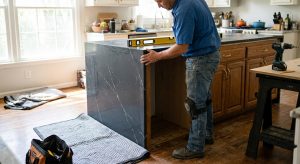
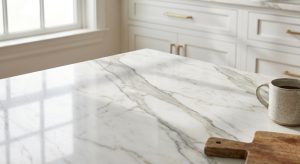
One of the most striking ways to enhance your kitchen or bathroom is through a waterfall countertop professional installation. By extending your counter’s surface material vertically down its sides, you create a continuous flow that exudes sophistication. If you or a loved one wants a design that combines both contemporary beauty and practical functionality, a waterfall edge could be the perfect upgrade. From durable quartz finishes to the timeless allure of marble and granite, the waterfall design transforms any room into a welcoming, high-end space. This article explores the benefits, planning steps, and the importance of working with experts who understand every detail involved in installing a bespoke waterfall countertop.
Consider the appeal of waterfall edges
Waterfall edges highlight the natural or engineered patterns of your chosen stone by drawing the eye vertically, rather than containing the material’s beauty to a flat horizontal plane. Beyond visual richness, there are several reasons why these edges continue to grow in popularity:
- Seamless flow of material. The top of the countertop blends seamlessly with the sides, creating an illusion of continuity. This sophisticated look exemplifies modern design and makes smaller rooms seem more expansive.
- Added protection. The side panels help protect the cabinetry beneath from scratches and general wear. They can also help shield corners from accidental bumps, especially in busy households.
- Focal point creation. Even in minimalistic or muted kitchens, a waterfall edge acts as a statement feature. It draws attention immediately, lending a luxurious energy to the room.
- Versatile integration. You can apply waterfall edges to kitchen islands, peninsulas, and even bathroom vanities. This flexibility allows you to match various design styles without losing the signature elegance that waterfalls offer.
Many homeowners, architects, and interior designers feel that the open, airy continuity of waterfall edges adds a contemporary spark to otherwise conventional layouts. Year after year, these designs remain a top choice for modern renovations. According to home design data (Natural Stone City), waterfall countertops have been highlighted as a top design trend, especially moving into 2024 and beyond.
Explore premium countertop materials
Choosing the right material is a crucial step. The waterfall style works well with multiple surfaces, including quartz, marble, granite, and solid-surface options. Each material has unique qualities, from coloration and texture to durability and cost. Below is a comparative table to help you or a loved one make an informed decision:
| Material | Durability | Aesthetic Characteristics | Care and Maintenance |
|---|---|---|---|
| Quartz | Non-porous, scratch-resistant, and easy to clean | Wide range of colors, from subtle neutrals to bold hues | Mild soap-and-water cleaning, resealing not required |
| Marble | Softer stone, prone to etching if untreated | Classic veining, luxurious feel | Gentle cleansers, occasional sealing |
| Granite | Extremely sturdy, though needs regular sealing | Natural mineral patterns, bold or subtle variations | Routine sealing, mild cleaners, stain prevention |
| Solid-surface | Durable blend of resin and minerals | Seamless look, can mimic stone or other materials | Polishing compounds for scratches, gentle cleaning |
Quartz
Quartz is beloved for its dependable structure and minimal maintenance. If you value an easy-care surface that resists stains, you might explore our waterfall countertop quartz durability resource for a more in-depth look. Quartz can be engineered in almost any color, allowing you to coordinate your countertop with cabinets and other interior elements. It also offers consistent patterns—ideal if you want a smooth, uniform look cascading down the sides.
Marble
Marble exudes elegance and has been associated with upscale living for centuries. However, marble does require more care than quartz. Regular sealing and vigilance against acidic spills keep it looking pristine. If you intend to showcase the unmatched beauty of this stone, waterfall countertop marble elegance provides useful insights into harnessing its unique veining for a breathtaking waterfall design.
Granite
Known for its stunning natural specks and patterns, granite remains a top pick for anyone wanting resilience. Its heat resistance is particularly valuable in kitchen settings, but remember to conduct routine seal checks. Delve deeper into granite’s inherent qualities in our piece on granite waterfall stain resistance, where you will find tips on how to keep the stone looking its best over time.
Solid-surface
Solid-surface materials, typically made from resin and minerals, deliver a more uniform appearance and can be fabricated in nearly any shape or color. Their non-porous composition requires little maintenance, although extreme temperatures and sharp blade contact can pose issues. Still, this type of material offers a sleek waterfall look for modern or minimalist interiors.
When picking among these materials, it often helps to visit a local showroom to see and touch each surface in person. Showrooms provide hands-on exposure to actual slabs or samples, letting you examine color variations and measure how each option coordinates with your cabinetry, flooring, and décor (Natural Stone City).
Review the installation timeline
Once you decide on your material and overall design, the next step is to schedule a professional measurement and templating appointment. Measuring and templating ensures that all the details—cabinet edges, appliance clearances, and any special angles—are captured accurately:
- Template creation (1–2 hours). A skilled technician visits your home to measure cabinet dimensions and relevant angles. Modern digital tools achieve precision within 1/16 of an inch, providing a clear blueprint of where the countertop will sit (Cobble Creek Countertops).
- Fabrication (1–2 weeks). Once your dimensions are finalized, craftspersons get to work cutting, polishing, and shaping the selected stone. Waterfall edges require additional care, because they often involve precise corner miters for a near-invisible seam. Complex patterns or integrated features, such as special overhangs or sink cutouts, can lengthen fabrication time.
- Demolition and removal (varies). If you already have existing countertops, they need to be carefully removed. This process typically takes a few hours. Professionals look for hidden issues, like water damage or misaligned cabinets, so everything is prepped for the new material.
- Installation day (3–6 hours). On installation day, specialists bring the fabricated slabs to your home. They ensure each piece lines up with your cabinet edges and that the vertical panels match seamlessly to the horizontal plane. In most cases, you can use your newly finished countertop within 24 hours of installation, barring any complications.
Working with a team that has handled numerous custom jobs helps you stay on schedule. For instance, an installer who has tackled many waterfall-specific projects knows how to steer clear of alignment or seam issues unique to vertical edges. They will also advise if additional reinforcement is necessary, especially when your countertop extends down towards the floor on both sides of a kitchen island.
Plan for design and functionality
A well-planned waterfall countertop does more than capture attention. It incorporates practical choices that support your functional day-to-day demands. Here are some details to consider:
Overhang dimensions
Most islands or peninsulas benefit from a slight overhang to accommodate seating and legroom. If you plan on a breakfast bar, for example, you might want a deeper extension so guests can comfortably tuck their knees beneath. Yet when going for a waterfall edge, deciding how far the countertop extends is especially crucial, because it impacts the size and shape of the vertical panel.
Cabinet compatibility
Proper cabinet construction is vital for supporting the heavier weight of a waterfall design. If you are in the process of renovating or building new cabinets, ensure they can handle the added load. Explore our guide on waterfall countertop weight considerations to assess structural requirements and framing tips.
Seam placement
With large slabs, you may need one or more seams. Position seams in less visible locations—for instance, near corners or where mounted appliances will hide them. Current fabrication technology can create seams that are almost imperceptible, especially when patterns align corner to corner.
Additional features
If you want a waterfall edge with an integrated sink, custom cooktop cutouts, or built-in LED lighting, communicate these elements early in the process. The fabricator must plan for everything—from the exact thickness needed at the edges to the depth of the basin. If you are uncertain about the potential risks or complexities, see our advice about waterfall countertop installation risks.
Benefit from professional expertise
While some homeowners enjoy a good do-it-yourself project, a waterfall edge typically requires higher-level skills and equipment. Working with professionals secures a number of advantages:
- Precision measurements. Digital templating is key for tight-fitting edges. Professionals ensure you do not wind up with misaligned corners or leftover gaps.
- Skilled mitered edges. A visually flawless waterfall demands meticulous seam work, which is much easier to achieve with specialized tools and experience.
- Time-efficient approach. Hiring experts usually leads to a faster overall turnaround. The less time you spend on guesswork, the sooner you get to enjoy your new space.
- Warranty and future support. Most professional installers stand by their labor. Should an issue arise—such as unexpected cracks, uneven seams, or lamination problems—they can assess possible fixes and remedies quickly.
Admittedly, taking on the project yourself can be appealing for the sense of accomplishment or potential cost saving. However, professionals handle everything from disposal of old countertops to final polish and cleanup. If you are weighing whether to attempt the job alone, consult our article on waterfall countertop diy considerations to see a balanced rundown of pros, cons, and recommended skill levels.
Moreover, if you want a consistent, polished look that keeps pace with modern design trends, you may appreciate browsing waterfall countertop design trends. Professionals often stay updated on the latest styles and innovations, so they can guide you toward an interior that suits both your personal preference and current market tastes.
Maintain your new countertop
Once your striking waterfall feature is in place, you want it to stand the test of time. Different materials demand different levels of upkeep, but a few universal tips apply:
- Clean gently but promptly. Wipe up spills as soon as they occur. Even if your stone is non-porous, allowing substances to sit for long periods could lead to staining or surface dulling.
- Use recommended cleaning agents. Harsh chemicals can degrade sealants, especially on marble and granite. Opt for pH-neutral cleansers or mild soapy water.
- Schedule routine sealing (if needed). Granite and certain marbles respond best to annual or bi-annual sealing. This process keeps liquids from penetrating the stone and fosters easier cleaning.
- Protect high-traffic edges. While waterfall edges are typically robust, consider placing protective pads or mats on corners if you anticipate heavy contact with carts, chairs, or foot traffic.
- Inspect your seams. Over time, poor sealing or consistent moisture might loosen the seam. Check occasionally to ensure everything remains flush and watertight.
You can explore additional strategies to keep your surface looking exquisite in our guide on waterfall countertop maintenance tips. Our aim is to make maintenance manageable so you can focus on enjoying your new space.
Frequently asked questions
Below, you will find five common questions from homeowners who consider a waterfall edge. These FAQs should help you finalize your plans and make the best decision for your space and budget.
-
How much extra does a waterfall edge cost?
A waterfall design typically raises the cost of fabrication due to the additional labor and material needed. You not only cover the top surface but also the vertical panel. Depending on your layout, complexity, and the type of stone, it might add 20–30% or more compared to a standard countertop. For more information on pricing estimates, see our guide on the cost of waterfall countertop per square foot. -
Will a waterfall edge fit well in a smaller kitchen?
Yes, a waterfall countertop can be an excellent choice for smaller kitchens. The seamless extension can visually elongate the room. Strategically placing the vertical slab on one or both ends of an island or cabinetry helps maximize the sense of spaciousness. If you need to optimize your layout, waterfall countertop space planning offers advice on fitting this design into compact areas. -
Is quartz the best for resisting everyday stains?
Quartz is highly recommended if you want a surface that is both durable and largely immune to most household stains. It is non-porous and withstands spills from common kitchen liquids. However, granite also provides high durability, particularly when correctly sealed. Our quartz waterfall waterfall design article covers more specifics. -
Do I need special support for the vertical panel?
In many cases, waterfall edges attach directly to the cabinetry. The critical factor is ensuring that your cabinets can bear the weight of the stone. A professional installer will advise if additional hardware or bracketing is necessary. For details on structural considerations, check waterfall countertop support requirements. -
Why not just install a flush countertop?
A flush countertop is more standard and less labor-intensive. While it can look sleek, it does not offer the same dramatic wrap-around effect that a waterfall edge provides. If you want to compare these design choices, consider reading about waterfall vs flush countertop design.
Conclusion
A waterfall countertop professional installation elevates more than just your kitchen or bathroom surface; it enriches the ambiance of the entire room. With vertical sides that merge seamlessly with the counter’s top, your space becomes a luxurious retreat where style meets function. Whether you prefer the consistency of engineered quartz, the classic allure of marble, or the natural charm of granite, each waterfall design offers a unique personality. The correct planning, customization, and professional guidance ensure your countertop stands out in beauty, durability, and modern appeal.
By choosing experienced installers, you benefit from precise measurements, flawless seams, and the peace of mind knowing that every detail, from your sink cutouts to cabinet reinforcements, has been addressed. Explore our many resources, such as waterfall countertop marble elegance or waterfall countertop for contemporary island, to better understand your options and finalize a layout that aligns with both your lifestyle and aesthetic goals. In the end, investing in a waterfall edge rewards you with a timeless statement piece that you can appreciate every day, turning your home into a place of true refinement and comfort.