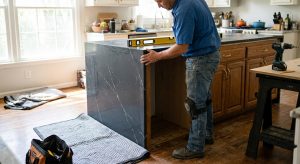
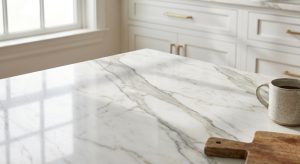
Are you looking to redefine your kitchen’s look and increase its overall value? A waterfall countertop backsplash design may be the perfect investment for you. This contemporary approach allows your countertop material to gracefully extend over the edges and flow seamlessly into the backsplash, creating a visually striking focal point. More than just an aesthetic choice, it can also protect cabinetry and enhance daily functionality. Below, you will discover everything you need to know about choosing a waterfall design for your premium quartz, marble, granite, or solid-surface countertops, from key advantages and materials to installation methods and frequently asked questions.
Discover key advantages
Choosing a waterfall design offers many noteworthy benefits that can help you feel confident about your kitchen renovation plans. While it is well-known for its dramatic visual appeal, there are plenty of practical reasons to explore this style. Understanding these advantages can empower you to create a welcoming, functional, and beautiful cooking space that supports your everyday needs.
-
Enhanced visual impact
In traditional kitchens, countertops meet the floor or cabinetry abruptly. With a waterfall approach, the countertop’s material cascades down to the floor on one or both sides of the island or counter, drawing the eye toward the sleek vertical lines. This uninterrupted flow of stone or another premium surface usually contrasts with other design elements in the room, making it an ideal choice if you value bold aesthetics. According to many interior designers, cohesive-flow installations like waterfall edges are quickly becoming timeless details rather than mere trends (Real Simple). -
Greater durability
Typical cabinetry bases can be vulnerable to scuffs, dents, and chips, especially in high-traffic areas. A waterfall installation covers this construction with a hardy material, protecting it from everyday wear and tear (Architectural Digest). For families with children or pets, the vertical wrap can help preserve your cabinets for years to come. If you or a loved one has ever worried about accidentally damaging lower cabinetry, this feature can bring welcome peace of mind. -
Easy to clean
When the countertop and backsplash share the same continuous material, you simplify the cleaning process. Most stone surfaces, especially quartz, are designed for minimal maintenance. In many cases, a quick wipe with a non-abrasive cloth keeps your waterfall surfaces looking brand new. This consistency can be particularly helpful around cooking areas and sink zones, where spills and splashes are more common. -
Visual continuity
Extending the same countertop material vertically eliminates jarring transitions between horizontal and vertical planes. This unity in color, pattern, and texture fosters a calm and polished atmosphere, which can be critical if your design objective is a refined, modern look. Whether you choose pure white quartz or richly veined marble, the extended surfaces create a unified canvas that is both eye-catching and comforting. -
Opportunity for seating and storage
A well-planned waterfall design can include an extended overhang, giving you space for a breakfast bar or casual seating. If you love entertaining or simply enjoy being around family while meal-prepping, bar-height seating along the waterfall edge can encourage conversation and connectivity. Some homeowners opt for shelving or storage features tucked beneath the overhang, making the most of every inch of available space.
By appreciating these advantages, you set a solid foundation for your design journey. Ultimately, a waterfall countertop approach balances style, practicality, and longevity, which can make it a worthwhile investment for your home.
Understand diverse material options
Material selection is among the most pivotal decisions you will make in planning your waterfall installation. Each surface offers unique benefits, costs, and aesthetic qualities. While quartz remains one of the most popular choices for those seeking seamless appearances, granite, marble, and other solid-surface materials also thrive in waterfall applications. Below is an overview of the most common options to guide you:
Quartz
- Appearance and versatility
Quartz can match or exclude veining as needed, allowing you to achieve various looks, from clean and modern to softly patterned. Engineered quartz blends natural quartz with resins, making the final product more resilient against scratches and stains compared to many other stones. - Maintenance and durability
Unlike granite, quartz typically does not require sealing, making it low-maintenance for busy homeowners. It resists chipping and cracking when installed by professionals, and if you want a consistent color profile, it is easier to source matching slabs. - Cost consideration
Depending on brand and style, quartz slabs start around $40 per square foot and can go up to $100 or more, with installation costs climbing to an additional $100 per square foot (Caesarstone US). Keep in mind that special fabrication steps, such as mitered edges for your waterfall, can add a few thousand dollars extra.
If you want to learn more about the benefits of choosing quartz for your waterfall design, check out our specialized waterfall quartz countertop installation service. It covers everything from color selection to final installation details, ensuring you receive a tailored solution.
Granite
- Rich variety of colors
Granite is known for its naturally occurring color variations. Each slab is unique, ensuring that your waterfall countertops stand out. Many people appreciate granite for bringing an organic, textured element into their kitchen. - Heat resistance
This stone is highly resistant to heat, making it suitable for cooking environments. Granite can handle direct contact with hot pans for brief periods, though it is always wise to use trivets to prevent thermal shock. - Maintenance concerns
While tough, granite often requires periodic sealing (sometimes up to twice a year) to maintain its look. However, this upkeep is relatively simple with store-bought sealants.
If you are envisioning the dramatic veining of granite cascading down your island, explore our waterfall granite countertop installation page for insights on stone selection and care.
Marble
- Luxurious appeal
Marble waterfalls can transform a standard kitchen into a high-end showpiece. Signature veins and patterns in materials like Calacatta or Carrara can create an unparalleled focal point. - Surface sensitivity
Marble is more porous and prone to etching from acids (for example, lemon juice). Regular sealing and gentle cleaning agents help minimize surface damage. - Timeless elegance
Despite its delicate reputation, marble has been used in architecture for millennia, and a marble waterfall installation can endure beautifully with proper care. If you are set on this classic option, our waterfall marble countertops service offers guidance on selecting and preserving your perfect slab.
Other solid surfaces and exotic materials
Beyond the staples of quartz, granite, and marble, you may find other intriguing surfaces:
- Quartzite: Harder than many types of marble, quartzite offers a bold, natural look. You can see more about it via our waterfall quartzite countertops.
- Butcher block: Offers a warm, organic vibe. However, it is less commonly used for waterfall designs because of its susceptibility to moisture and scratches.
- Stainless steel: Ideal for ultra-modern kitchens, featuring low maintenance and impressive durability, though less common in residential settings.
- Concrete: Brings an industrial aesthetic and can be formed to almost any shape, but it may require sealing and waxing.
Selecting the correct material ultimately hinges on your budget, usage habits, and desired style. When you find that balance, you lay the foundation for a remarkable kitchen transformation.
Coordinate design elements
Choosing your waterfall countertop material is just the start. For a cohesive result, you also need to carefully coordinate the backsplash, cabinets, flooring, and other kitchen design components. This deliberate approach will help you avoid visual chaos and ensure a welcoming atmosphere in your cooking space.
- Synchronize backsplash finishes
Since you are extending your countertop vertically, you might consider using the same material for the rest of your backsplash to maintain a uniform look. This strategy can enhance the “chunky” effect of the waterfall and elevate the sense of luxury. According to some experts, matching countertop and backsplash materials adds an extra layer of refinement to your overall aesthetic (Real Simple).
- If you prefer mild contrast, consider pairing your waterfall with a simple matte tile, such as white subway or light gray porcelain, to ground the bolder countertop.
-
Pick mindful color palettes
Waterfall designs naturally draw attention, so it can be helpful to let them serve as the kitchen’s centerpiece. Choose understated cabinet tones that do not overpower your countertop’s pattern or color. If your countertop is neutral and you still crave a pop, consider bold cabinetry to create an appealing contrast. -
Balance patterns
Using multiple busy surfaces, like heavily veined stone paired with patterned tile flooring, can create visual overload (Wildfire Interiors). It is often wise to limit strong, bold patterns to one or two surfaces to keep your space timeless.
- If your countertop is highly patterned, choose a solid backsplash in a neutral shade.
- If your flooring has intricate patterns, let the waterfall remain the dominant accent, and stay minimal with your backsplash or cabinetry.
-
Consider lighting
Task lighting under cabinets, pendant fixtures over islands, and ambient lighting in your kitchen can all accentuate your waterfall edges. Well-placed lighting highlights the texture and veins of the stone, reinforcing the dramatic effect you desire. -
Integrate functional elements
You might want to incorporate seating along one side of your island, or add concealed storage within the waterfall. By doing so, you ensure your design remains practical while still focusing on that striking visual impression.
A harmonious combination of color, texture, and layout will transform your waterfall installation into a truly compelling focal point. By planning carefully, you set the stage for a comfortable, functional environment that blends aesthetics with day-to-day usability.
Consider cost factors
Understanding cost upfront allows you to plan effectively and avoid any surprises later. Waterfall countertops typically cost more than standard setups due to increased surface area and more complex fabrication. Nevertheless, this extra expense often translates into a wise long-term investment, as the design boosts both functionality and home value. Here are important points to consider:
- Material costs
- Stone slabs like quartz, marble, or granite usually cost anywhere from $40 to $100 or more per square foot (Caesarstone US).
- Luxury or rare stone varieties can command higher prices, especially if you want precisely matched veining for a waterfall’s cascading effect.
- Using more square footage of material—since you are covering at least one vertical side—will naturally increase your total cost.
- Installation expenses
- Labor can range up to $100 per square foot, particularly if you opt for complex mitered edges.
- Specialized cutting with a CNC machine to ensure seamless seams may cost an additional $2,000 or more (Backsplash.com).
- The fabrication process requires skilled craftspeople who can handle precise measurements and vein matching, which can prompt additional design fees.
- Long-term value
While the initial investment can appear steep, the design’s longevity and timeless appeal may make up for higher upfront costs. Benefits include:
- Durability and protection for cabinetry
- Increased home resale value
- Maintenance savings with durable surfaces like quartz
- Budgeting tips
- Ask your installers for a waterfall countertop cost estimate. Professional teams can break down expenses for materials, templating, cutting, installation, and finishing touches.
- Discuss possible alternatives if your budget is tight. For instance, you could choose a waterfall only on one side of the island.
- Revisit your choice of stone thickness. Thinner slabs, around 2 centimeters, are cheaper than thicker 3-centimeter slabs, yet still provide a dramatic effect when skillfully installed.
By evaluating each item’s contribution to your final budget, you can determine how much you can comfortably allocate. Doing so helps ensure a smooth renovation process and allows you to focus on the creative side of designing your kitchen.
Plan for installation success
Even the best materials will not shine if installation is compromised. A waterfall design requires careful measurement, templating, cutting, and application to guarantee a flawless end result. Planning ahead and relying on experienced professionals can save you frustration and additional costs.
-
Accurate measurements
Taking precise measurements is critical for fitting your countertop to the shape of your base cabinets, whether in an island or along the wall. Slight deviations can lead to visible gaps or uneven edges. It is often beneficial to schedule a waterfall countertop measurement service to ensure every specification is correct before fabrication begins. -
Templates and mockups
Once the space is accurately measured, specialized technicians create templates that illustrate exactly how each slab, edge, and corner will align. This step is key if you want veins to match. A waterfall countertop templating process helps you foresee how the finished piece will look in your home. -
Expert cutting and edging
The hallmark of a waterfall installation is the near-invisible seams where the horizontal and vertical slabs meet. Achieving a mitered edge that appears as a continuous piece of material typically involves a CNC laser cutter. For this step, you can consult a skilled waterfall countertop edge mitering professional to guarantee that your seams are flawless. -
Secure installation methods
Proper anchoring and adhesive selection are vital to maintain the integrity of your countertops, particularly at the mitered seams. Some countertops also require bracket support if you plan to extend an overhang for seating. -
Sealing and finishing
Depending on the material, you may need sealing to protect against moisture or stains, as is often the case with granite or marble. A waterfall countertop sealing service can be the finishing touch that ensures durability. For quartz waterfalls, sealing may not be necessary, but it is still worth getting a professional review to confirm if additional finishing is recommended. -
Maintenance routine
After your installation is complete, following a consistent care regimen can multiply the lifespan of your waterfall countertop. For tips and recommended products, consider our waterfall countertop care maintenance guide. Staying on top of small scratches or stains early wards off more extensive repairs later.
From initial measurement to sealed finishing, prioritizing each step ensures a smooth project. Adequate planning fosters a supportive environment for contractors, builders, and homeowners alike, so you can rest assured that all details are handled with expertise.
Embrace broader applications
You might assume that a waterfall design is restricted to modern kitchens, but the potential uses of this functional statement piece extend beyond that. By thinking creatively, you can incorporate waterfalls in unexpected areas, making the most of their visual impact and functionality.
-
Bathrooms
A waterfall vanity can bring drama and refinement to your bathroom. Because bathroom vanities are often smaller than kitchen islands, the cost of producing a waterfall edge can be more approachable. If you want to discover how to incorporate one in your space, you may explore our waterfall vanity countertop installation or waterfall bathroom vanity waterfall resources. -
Home offices
Transform a built-in desk into a focal point by extending the countertop material down the sides. This approach can keep the desk area consistent with the rest of your décor. For at-home workers who appreciate a cohesive and calming environment, a waterfall design can deliver a sense of elegance and well-being. -
Entryway consoles and bars
If open floor plans or loft-style living is your preference, consider adding a waterfall feature to a bar or console area. It can seamlessly tie together the overall design, particularly if you are using the same type of material in multiple places throughout your home. Guests will appreciate the elevated style, and you will love the additional conversation piece. -
Commercial settings
Waterfall edges are not limited to residential environments. They can be a show-stopping addition to office breakrooms, reception desks, or retail counters. For corporate teams seeking to express a brand’s modern approach, installing a waterfall fixture can project an air of professionalism and attention to detail. Explore our commercial waterfall countertop installation if you are designing a shared workspace. -
Remodels and replacements
Even if your space is older, renovating with a waterfall design can breathe new life into an existing layout. Whether you are upgrading your island, vanity, or other surfaces, a waterfall countertop remodeling service can tailor solutions to your home’s architecture while blending seamlessly with your personal style.
Wherever you choose to place it, a waterfall design consistently elevates the overall ambiance. By mixing creativity with a sense of practicality, you can adapt this approach to nearly any environment, guaranteeing a strong return on investment in both visual and functional terms.
Frequently asked questions
Below are five commonly asked questions about waterfall countertop designs. If you have more inquiries, feel free to reach out for a waterfall countertop project consultation.
-
How much space do I need for a waterfall countertop?
Generally, having at least a few feet of clearance around each side of the island or counter is ideal for comfortable movement, opening of cabinet doors, and seating. However, space needs can vary widely based on your layout. If you are unsure, a professional site assessment can confirm whether a waterfall design suits your available square footage. -
Is a waterfall countertop hard to maintain?
Most surfaces used for waterfall edges are inherently durable, such as quartz or properly sealed granite. Because there are fewer horizontal transitions and the vertical sides are often easier to wipe down, many homeowners find these installations simpler to keep clean. Just remember to use non-abrasive cleansers and, if applicable, schedule periodic resealing. -
Will it clash with a traditional kitchen?
Waterfall edges are commonly associated with contemporary or modern designs, but you can incorporate them into transitional or traditional spaces if you choose materials that complement the room’s colors and textures. For example, a subtly veined marble or a warm quartzite can blend well with classic cabinetry in more traditional homes. -
How significant is the cost difference?
Due to extended surface area and more elaborate fabrication, you will expect to pay a premium over standard countertop installations. Stone slabs often range from $40 to $100 per square foot, with installation potentially reaching $100 per square foot, plus additional costs for CNC cutting, edging, and professional mitering. Despite this initial investment, many homeowners find the lasting visual and property-value benefits worthwhile. -
Can I upgrade to a waterfall countertop on existing cabinets?
In many cases, yes. A professional contractor can evaluate your cabinets to see if they can structurally support the extended stone. Reinforcements or slight modifications may be necessary. This retrofit can be part of an overall kitchen refresh that seamlessly integrates with the rest of your décor.
Conclusion
A waterfall countertop backsplash design merges artistic beauty with practical benefits that can enhance your home’s functionality and value. From resisting everyday wear and tear to showcasing visually stunning materials, the cascading effect of a waterfall edge creates a truly memorable kitchen centerpiece. By thoughtfully planning your material choice, coordinating design elements, and working with skilled experts, you can rely on this investment to stand the test of time.
If you have questions about specific materials, cost estimates, or installation details, consider scheduling a custom waterfall countertop fabrication or a seamless waterfall countertop installation. Whether you are upgrading your kitchen island, embracing a new bathroom vanity style, or researching commercial applications, you have ample opportunities to improve your surroundings with a waterfall design. Remember that every space has unique challenges, and with the right guidance, you can transform those hurdles into a supportive environment for enduring beauty and lasting enjoyment.