Waterfall Countertops Overview
Elegant Design Appeal
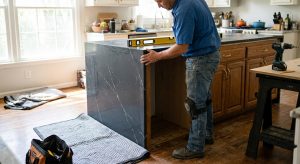
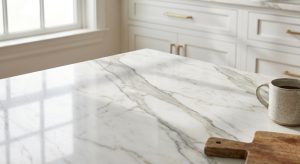
Waterfall countertops have become a popular choice due to their striking visual appeal and modern aesthetics. The fluid design of these countertops allows the material to extend vertically down the sides, creating a seamless, flowing look. This style not only enhances the beauty of the countertop but also adds a touch of sophistication to any space.
We appreciate how waterfall edges can complement a variety of kitchen layouts, providing a cohesive look that can tie the entire room together. From contemporary to minimalist designs, the waterfall edge is versatile enough to suit many styles. Those interested in exploring more about the design elements can check out what makes waterfall edge countertops a modern must-have for insights.
Durability and Reliability
Durability is another significant factor when considering waterfall countertops. Materials like granite and quartzite are known for their outstanding heat and scratch resistance, making them ideal for high-use areas like kitchens. Granite countertops are highly heat-resistant but may require trivets and coasters to avoid staining or discoloration; annual sealing can enhance protection against moisture (Cosmos Surfaces).
On the other hand, quartzite, scoring around 7-8 on the Mohs scale of hardness, is virtually indestructible. It offers not only aesthetic appeal but also unmatched durability, making it an excellent choice for those who prioritize longevity in their countertop investments (Cosmos Surfaces).
| Material | Heat Resistance | Scratch Resistance | Annual Maintenance |
|---|---|---|---|
| Granite | High | Moderate | Needed |
| Quartzite | Very High | High | Minimal |
This table illustrates the heat and scratch resistance along with maintenance needs for granite and quartzite, helping us to make informed choices when selecting the best materials for our countertops.
Choosing waterfall countertops means investing in a blend of elegance and resilience that not only beautifies our homes but stands the test of time. For further guidance, consider our tips on how to choose the best countertop for your kitchen remodel.
Types of Stains for Countertops
When considering the right stain for our countertops, it is essential to understand the types of stains available. Stains can greatly affect not only the appearance but also the durability and longevity of our surfaces. Here, we delve into two crucial aspects: stain transparency levels and UV protection variations.
Stain Transparency Levels
Stains for countertops come in a variety of transparency levels, which affects how much of the material’s natural grain and texture is visible. Here’s a breakdown of stain types and their features:
| Stain Type | Description | Visibility of Wood Grain |
|---|---|---|
| Clear Preservatives | Offers minimal color but maximum visibility of the wood grain. | High |
| Toners | Slightly tinted to enhance color while maintaining good visibility of the grain. | Moderate |
| Solid Stains | Provides deep color without showcasing the grain, offering more protection against damages. | Low |
Clear wood preservatives and toners allow for greater wood grain visibility but provide less UV protection, whereas solid stains offer deeper colors with longer-lasting effects, making them ideal for those who prioritize durability (Klappenberger & Son).
UV Protection Variations
The level of UV protection is another vital consideration when selecting stains for countertops. Different stains offer varying degrees of protection against the harmful effects of UV exposure, which can lead to fading and degradation of the surface over time.
| Stain Type | UV Protection Level | Longevity of Effect |
|---|---|---|
| Clear Preservatives | Low | Short-term |
| Toners | Moderate | Medium-term |
| Solid Stains | High | Long-term |
Solid stains not only provide a deeper color but also offer better UV protection, making them suitable for countertops that will be exposed to sunlight. It is important to evaluate how much exposure our countertops will face when choosing the appropriate stain. By considering both the transparency levels and UV protection variations, we can ensure our countertops remain beautiful and durable for years to come.
For more insights into choosing the right materials for our countertops, feel free to check out our articles on what makes waterfall edge countertops a modern must-have and comparing quartz granite and marble countertops: pros and cons.
Stain Options for Various Ages
When selecting stains for countertops, it is important to consider the age of the countertop material. Each age category has ideal stain options that enhance the aesthetic while providing protection.
Ideal Stains for Younger Countertops
For countertops that are less than eight years old, we recommend using semi-transparent stains, such as those from the Olympic line. These stains provide a beautiful finish without overwhelming the natural character of the material. They typically last between 3 to 4 years, allowing for a graceful aging process without frequent reapplication.
| Stain Type | Lifespan | Best For |
|---|---|---|
| Semi-Transparent | 3-4 years | Countertops under 8 years old |
| Clear Sealants | 6-12 months | Short-term protection |
Using clear wood sealants can serve as another option, though their effectiveness is shorter, lasting only 6 to 12 months. This can be suitable for surfaces that get less exposure to wear.
For more information on countertop styles, check our article on what makes waterfall edge countertops a modern must-have.
Stains for Aging Countertops
As countertops age beyond ten years, the choice of stains shifts. For surfaces between 10 to 15 years old, semi-solid stains are recommended, as they penetrate better and provide needed protection. These stains offer a more durable finish than their semi-transparent counterparts.
Once countertops reach over 15 years in age, a solid stain is the best option. Solid stains can mask imperfections and provide superior protection against wear, UV damage, and moisture. This helps to extend the lifespan of older countertops significantly.
| Age Range | Recommended Stain | Features |
|---|---|---|
| 10-15 years | Semi-Solid Stain | Enhanced penetration and durability |
| Over 15 years | Solid Stain | Superior protection and imperfection cover |
For a better understanding of countertop materials, visit our article on understanding the durability differences between stone types.
Selecting the right stain for countertops based on age not only enhances aesthetics but also prolongs the life of the material, ensuring that our investments continue to look stunning for years to come.
Deck Vs. Stain Comparison
When it comes to maintaining outdoor spaces, we often face the choice between staining and painting our decks. Understanding the pros and cons of each option can help us make an informed decision regarding our maintenance approach and aesthetic preferences.
Benefits of Staining Decks
Staining a deck offers several advantages over painting. Here are some key benefits:
| Benefit | Description |
|---|---|
| Flexibility | Stains are more flexible than paint, allowing them to expand and contract with the wood, thus reducing the risk of cracking or peeling. |
| Better Wear Resistance | Stains tend to have better wear resistance compared to paint, making them less likely to suffer from damage due to foot traffic or weather conditions. |
| Aesthetics | Stains enhance the natural beauty of the wood, allowing the grain and texture to show through, creating a more authentic look. |
| Easier Maintenance | When it’s time to reapply, stains can often be refreshed without the need for extensive preparation like sanding or stripping, unlike paint. |
| Water Resistance | Stains provide protection from water damage, helping to prevent rot and mold growth (Klappenberger & Son). |
Risks of Painting Decks
While painting may seem like a quick solution, it comes with several drawbacks:
| Risk | Description |
|---|---|
| Prone to Damage | Painted decks can be more susceptible to water damage, cracking, and peeling, especially in harsh weather conditions (SpecialChem). |
| Prep Work | Painting requires more preparation, such as cleaning, sanding, and priming, which can be time-consuming. |
| Softens Over Time | Paint can soften and become tacky in high heat, leading to an unsightly finish and potential damage to the surface. |
| Limited Lifespan | Paint usually has a shorter lifespan compared to stains, necessitating more frequent maintenance and reapplication. |
By weighing the benefits of staining against the risks of painting, we can choose the best option for maintaining our decks. Whether we prioritize durability, aesthetics, or ease of maintenance, understanding these factors allows us to make informed decisions regarding our outdoor spaces. For further insights on the best materials for our needs, feel free to explore our article on comparing quartz granite and marble countertops: pros and cons.
Importance of Passivation
Passivation is a key process for enhancing the performance and longevity of stainless steel components. This technique is particularly vital in industries where cleanliness and corrosion resistance are paramount.
Benefits for Stainless Steel
Passivation improves the corrosion resistance and overall reliability of stainless steel. By treating newly-machined stainless steel parts through passivation, we can enhance the chromium oxide layer on their surface. This chemical treatment effectively removes surface contaminants, including free iron, while maintaining the integrity of the chromium layer, leading to a more durable and rust-resistant surface. The process involves immersing stainless steel in an acid bath, which dissolves free iron and prepares the surface for optimal performance in demanding environments (Best Technology Inc.).
Some notable benefits of passivation include:
| Benefits | Description |
|---|---|
| Improved Corrosion Resistance | Enhances the chromium oxide layer, preventing rust. |
| Enhanced Reliability | Increases the lifespan of components in harsh environments. |
| Surface Cleanliness | Removes contaminants that can lead to surface degradation. |
Passivation is especially crucial in environments exposed to moisture, chemicals, or bodily fluids, where the risk of corrosion is heightened.
Key Industries Utilizing Passivation
Several industries leverage the advantages of passivation to ensure the integrity and reliability of their products. Notably, the following sectors heavily rely on this process:
| Industry | Application |
|---|---|
| Medical Device Manufacturing | Ensures compliance with strict regulatory standards for safety. |
| Aerospace | Improves reliability in flight components exposed to extreme conditions. |
| Semiconductor Industry | Ensures cleanliness and reduces contamination during manufacturing processes. |
These industries implement precisely controlled cleaning and passivation processes to meet stringent regulatory standards. This contributes to the product reliability and enhanced corrosion resistance essential for components used in these critical applications (Best Technology Inc.).
Understanding the importance of passivation is vital for anyone interested in high-quality stainless steel components, like our selection of waterfall edge countertops. By considering these factors, we can ensure the utmost durability and performance of our countertop materials.
Heat-Resistant Countertop Materials
When considering the best options for countertops, we must pay particular attention to heat-resistant materials. Two popular choices in this category are granite and quartzite countertops. Both materials boast impressive durability and aesthetic appeal, making them suitable for a variety of kitchen settings.
Granite Countertops Features
Granite countertops are renowned for their natural beauty and exceptional heat resistance. They can withstand high temperatures, but we recommend using trivets, cooling racks, and coasters to prevent any potential staining, scratches, or discoloration. Regular annual sealing is advisable to protect the stone from staining and moisture damage, ensuring its longevity.
| Feature | Detail |
|---|---|
| Heat Resistance | Highly heat-resistant |
| Maintenance | Requires annual sealing |
| Aesthetic Appeal | Unique natural patterns and colors |
| Durability | Long-lasting and sturdy |
Granite’s diverse range of colors and patterns allows us to match it beautifully with other elements, making it a flexible choice for many kitchen designs. For insights on countertop materials, check out our article on comparing quartz granite and marble countertops: pros and cons.
Quartzite Countertops Attributes
For those seeking a highly durable and heat-resistant material, quartzite countertops are an exceptional option. Scoring between 7 and 8 on the Mohs scale of hardness, quartzite is virtually indestructible and easier to maintain compared to its man-made counterpart, quartz (Cosmos Surfaces). This natural stone is highly resistant to heat, making it ideal for kitchen surfaces where hot pots or pans are frequently placed.
| Feature | Detail |
|---|---|
| Heat Resistance | Very heat-resistant |
| Hardness | 7-8 on the Mohs scale |
| Maintenance | Easy to maintain |
| Durability | Virtually indestructible |
The elegance and resilience of quartzite make it a favored choice among homeowners looking to create stunning kitchen spaces. To explore more about selecting countertop materials, visit our guide on how to choose the best countertop for your kitchen remodel.
Incorporating heat-resistant materials such as granite and quartzite into our living spaces not only enhances our counter aesthetics but also provides peace of mind concerning durability and performance.
Exemplary Heat-Resistant Countertops
In our pursuit of the best countertops, understanding heat-resistant options is essential. Two standout choices are soapstone countertops and stainless steel or aluminum countertops. Each material has unique qualities that make them ideal for heat resistance.
Soapstone Countertops Benefits
Soapstone countertops are a remarkable option for anyone seeking heat resistance. While they may be softer than granite and quartzite, they offer exceptional heat-handling capabilities. Soapstone is known for its ability to absorb, retain, and re-radiate heat, making it particularly suitable for kitchens where hot pots and pans are frequently used. This feature is especially beneficial for homes located in colder climates, as the heat retention can contribute to a warm working environment.
| Feature | Benefit |
|---|---|
| Heat Resistance | Absorbs, retains, and re-radiates heat effectively |
| Chemical Inertness | Safe for food prep and easy to clean |
| Ideal for Cold Climates | Provides warmth during colder seasons |
For more information on what makes waterfall edge countertops a modern must-have, check out our article on what makes waterfall edge countertops a modern must-have.
Stainless Steel and Aluminum Counter FAQ
Stainless steel and aluminum countertops find widespread application in commercial kitchens due to their high heat-resistance, durability, and easy maintenance. These materials can withstand high temperatures without warping or melting, making them suitable for heavy cooking environments.
However, it’s important to note that repeated exposure to extreme heat can lead to discoloration over time. Both materials are excellent for cleanliness, as they do not harbor bacteria and can be wiped down easily.
| Material | Heat Resistance | Maintenance | Discoloration Risk |
|---|---|---|---|
| Stainless Steel | High | Easy to clean | Moderate |
| Aluminum | High | Easy to clean | Moderate |
When deciding between different countertop materials, it’s helpful to consider the pros and cons. For further insights, refer to our article on comparing quartz granite and marble countertops: pros and cons.
Understanding heat resistance in countertops helps us make informed decisions for our kitchens. Both soapstone and metals like stainless steel and aluminum offer unique benefits tailored to different cooking needs. By evaluating these options, we can choose the best heat-resistant material for our countertop needs.
Enhancing Abrasion Resistance
Choosing the right countertop material is critical, especially when it comes to enhancing abrasion resistance. This quality significantly impacts the longevity and appearance of our surfaces.
Significance of Abrasion Resistance
Abrasion resistance refers to a material’s ability to withstand wear and tear caused by friction and contact with other surfaces. For countertops, this means resisting scratches and maintaining a clean, polished look. High abrasion resistance is particularly important in high-traffic areas where countertops are frequently used for food preparation, appliance placement, and day-to-day activities.
A durable surface can prevent costly repairs or replacements down the line. It’s essential that we consider materials that excel in this area when selecting our countertops. Testing methods such as the Rotating Wheel Method and the Gardner Wet Abrasion Method are commonly used to assess the abrasion resistance of coatings, ensuring that our countertops will maintain their quality and aesthetics over time (SpecialChem).
Factors Influencing Durability
Several key factors can influence the overall durability and abrasion resistance of countertop materials:
| Factor | Description |
|---|---|
| Raw Materials | The type and quality of raw materials used in production significantly affect durability. |
| Resin Binder Systems | Effective resin binder systems enhance the performance and abrasion resistance of coatings (SpecialChem). |
| Additives | Certain additives can improve scratch and abrasion resistance, contributing to long-lasting surfaces. |
By understanding these influencing factors, we can make informed decisions when selecting our countertops. It is crucial to consider how these elements affect not just appearance but also functionality and maintenance over time. For more information on selecting the best materials for our kitchens, we can refer to how to choose the best countertop for your kitchen remodel or explore the trends in luxury countertops for modern bathrooms.
Scratch Resistance Testing
Understanding the durability of coatings is vital for anyone considering high-quality countertops, especially when evaluating their ability to resist scratches. We can explore the evaluation methods used in scratch resistance testing and the importance of these tests for coating longevity.
Evaluation Methods
Several testing methods are employed to assess scratch resistance, ensuring that coatings meet necessary standards for durability. Common methods include:
| Testing Method | Description |
|---|---|
| Rotating Wheel Method | Uses a rotating wheel to apply consistent pressure on the coating. |
| Falling Sand (Abrasive) Method | Measures resistance by allowing sand to fall onto the coated surface. |
| Abrasive Blast Method | Employs an abrasive blast to evaluate the wear rate of the coating. |
| Gardner Wet Abrasion Method | Involves wet testing to gauge how the coating performs under moisture. |
These methods help manufacturers make informed decisions about their products, ensuring that the coatings can withstand everyday wear and tear (SpecialChem). We should consider these evaluations when we think about our countertop choices, as they directly impact both aesthetics and functionality.
Importance for Coating Longevity
Scratch resistance testing plays a critical role in measuring the durability of coatings, allowing manufacturers to evaluate how well a product will maintain its appearance over time (SpecialChem). Durable coatings not only preserve the look of our countertops but also contribute to their overall lifespan.
Incorporating effective resins and binder systems enhances the abrasion resistance of coatings, making them more resilient against scratches and other forms of damage (SpecialChem). For instance, NEI Corporation’s NANOMYTE® SR-100 is a transparent, scratch-resistant coating that outperforms many commercially available products (NEI Corporation).
Understanding the durability aspects of coatings, including scratch resistance testing, enables us to make informed choices about our countertop selections. For more insights on how to choose the best countertop for your kitchen remodel, visit our article on how to choose the best countertop for your kitchen remodel.
Multi-Functional Coatings
In our pursuit of superior countertops, understanding multi-functional coatings is crucial. These coatings provide integrated properties that enhance functionality, durability, and aesthetic appeal, making them an excellent choice for our needs.
Advantages of Integrated Functions
Multi-functional coatings offer several benefits, which can significantly improve the performance of our countertops. Some key advantages include:
- Scratch Resistance: These coatings help maintain the countertop’s appearance by preventing scratches and scuffs that can occur with daily use.
- Easy-to-Clean: A smooth, coated surface allows for effortless cleaning, ensuring we can maintain the beauty of our waterfall countertops with minimal effort.
- Enhanced Adhesion: Multi-functional coatings bond well with various substrates, promoting durability and reducing the risk of peeling or chipping.
For practical applications, integrating these functionalities into a single coating is essential, as it simplifies maintenance and enhances usability.
NEI Corporation Offerings
NEI Corporation stands out in developing advanced multi-functional coatings tailored for countertop applications. Their noteworthy products include:
| Product Name | Key Features |
|---|---|
| NANOMYTE® SR-100 | Transparent, scratch-resistant coating with superior abrasion resistance. (US Patent 9,006,370) |
| NANOMYTE® SuperCN | Patent-pending coating with a unique combination of properties suitable for various surfaces. |
| NANOMYTE® SR-100EC | An innovative, multi-functional coating designed for excellent performance under demanding conditions. |
NEI’s research emphasizes creating coatings that offer integrated properties such as scratch resistance, easy cleaning, and effective adhesion. Their products cater to our countertop needs by ensuring long-lasting beauty and functionality. To explore more about different countertop materials and their versatility, check our articles on what makes waterfall edge countertops a modern must-have and comparing quartz granite and marble countertops: pros and cons.
Top Heat-Resistant Plastics
When selecting materials for countertops that exhibit both heat and scratch resistance, we must consider the right options available in the market. Two of the top-performing heat-resistant plastics are Polyetherimide (PEI) and Polyether Ether Ketone (PEEK). These materials possess unique characteristics that make them suitable for high-performance applications.
Polyetherimide Characteristics
Polyetherimide (PEI) is known for its exceptionally high melting point of 219°C and can sustain a maximum continuous service temperature of 170°C. These properties make it ideal for various applications, including:
| Application | Description |
|---|---|
| Circuit boards | Used due to its electrical insulating properties. |
| Food sterilization equipment | Suitable for high-temperature sterilization processes. |
| Aircraft parts | Lightweight and durable for aviation-related components. |
| Fire blockers | Provides reliable fire safety measures. |
| Airplane seat covers | Combines comfort with heat resistance in aviation. |
These characteristics ensure that PEI can withstand demanding environments without sacrificing performance.
Polyether Ether Ketone Applications
Polyether Ether Ketone (PEEK) is another versatile high-performance thermoplastic with remarkable heat resistance. PEEK can handle short-term temperatures as high as 310°C and has a melting point exceeding 371°C. It is widely used in applications such as:
| Application | Description |
|---|---|
| Medical devices | Biocompatible and resistant to sterilization processes. |
| Car transmissions | Enhances performance and durability in automotive parts. |
| Aircraft exterior parts | Provides strength and heat tolerance for exterior components. |
The durability and thermal stability of PEEK make it an excellent choice for high-stress environments, showcasing its versatility in various industries.
Both Polyetherimide and Polyether Ether Ketone stand out for their heat resistance and practical applications, making them significant choices for those considering high-quality materials for their countertops. Understanding the properties and uses of these materials can help guide our decisions in finding the best options for heat, scratch, and stain resistance in our homes. For insights on why waterfall countertops are modern favorites, check out our article on what makes waterfall edge countertops a modern must-have.
Optically Transparent Coatings
Optically transparent coatings are vital in various industries, offering enhanced durability and aesthetic appeal. Their application spans across multiple products, making them a popular choice for high-quality surface treatments.
Applications in Industries
Optically transparent coatings find extensive use in several sectors. Some notable applications include:
- Ophthalmic Lenses: These coatings protect lenses from scratches and enhance their clarity, making them ideal for eyeglasses and safety goggles.
- Sports-Wear Lenses: Durable coatings are essential for maintaining visibility and performance in high-impact environments, such as in sporting equipment.
- Automobile Windows: Transparent coatings improve scratch resistance and can enhance hydro-repellency, aiding in visibility during adverse weather conditions.
- Airplane Windows: The aerospace industry utilizes these coatings to ensure safety and transparency, enhancing the passenger experience while providing protection from environmental stressors.
The market for hard and optically transparent coatings on plastic substrates, such as polycarbonate and acrylic, benefits significantly from these applications, as these materials often face challenges like scratching and loss of transparency during regular use (NEI Corporation).
NEI’s Innovative Solutions
NEI Corporation has been at the forefront of developing innovative optically transparent coatings. Their patented product, NANOMYTE® SR-100, offers exceptional abrasion resistance compared to standard scratch-resistant coatings available in the market. NEI also provides a matte variant of this coating, catering to diverse aesthetic needs (NEI Corporation).
Recently, NEI developed NANOMYTE® SuperCN and SR-100EC, which are patent-pending transparent coatings. These products combine several advantageous properties, including:
- Easy cleaning and stain resistance
- Superior scratch and abrasion resistance
- Compatibility with various substrates, including polymers, metals, and ceramics
These advancements underscore NEI’s commitment to creating multi-functional coatings that satisfy the varying demands of modern industries (NEI Corporation).
For more insights on countertop materials and their resistance features, check out what makes waterfall edge countertops a modern must-have and comparing quartz granite and marble countertops: pros and cons.
Ultra-High Heat-Resistant Plastics
When we consider the best materials for heat-resistant applications, two standout options are polybenzimidazole (PBI) and polydicyclopentadiene (pDCPD). Both materials demonstrate significant advantages in high-temperature environments, making them ideal choices for various industries.
Polybenzimidazole Features
Polybenzimidazole (PBI) is renowned for its exceptional heat resistance. It boasts a maximum continuous service temperature of 398°C in inert environments, with short-term exposure capabilities reaching up to 537°C. This makes PBI the highest heat-resistant material available on the market today.
However, PBI comes with some considerations. It is expensive to process and difficult to manufacture, requiring specialized techniques and knowledge. Additionally, PBI is notch-sensitive, meaning that careful design is necessary to avoid creating weaknesses that could lead to failure under stress. Here’s a summary of PBI characteristics:
| Property | Value |
|---|---|
| Maximum Continuous Temp | 398°C |
| Short-Term Exposure Temp | Up to 537°C |
| Cost | High |
| Manufacturing Difficulty | High |
| Notch Sensitivity | Yes |
As we explore materials for our countertop needs, understanding these factors ensures we make informed decisions about heat scratch and stain resistance.
Polydicyclopentadiene Applications
Polydicyclopentadiene (pDCPD) is a custom-engineered thermoset polymer that offers impressive heat resistance with a heat deflection temperature up to 120°C. This material provides not only heat and chemical resistance but also corrosion resilience in various applications.
pDCPD’s combination of stiffness and impact strength makes it suitable for numerous industrial applications, including:
- Corrosion-resistant chemical process equipment
- Septic tanks
- Water treatment equipment
These properties make pDCPD a promising candidate for industries requiring robust performance under extreme conditions. Here’s a brief overview of pDCPD characteristics:
| Property | Value |
|---|---|
| Heat Deflection Temp | Up to 120°C |
| Chemical Resistance | Excellent |
| Stiffness and Impact Strength | High |
For further insights into materials like these, we can explore options regarding countertop designs by checking resources on how to choose the best countertop for your kitchen remodel.
By understanding the distinct properties of ultra-high heat-resistant plastics such as polybenzimidazole and polydicyclopentadiene, we can better assess their applications in our countertop choices and overall durability.
Protective Coatings in Automotive Industry
Role in Paint Maintenance
In the automotive industry, protection of a car’s surface is crucial for maintaining its appearance and longevity. Protective coatings, specifically anti-scratch coatings, are designed to preserve the paint job and prevent damage to the anti-corrosion layer underneath. These coatings are essential in keeping vehicles looking new and attractive over time.
The implementation of anti-scratch coatings involves the use of specific materials. The primer in these coatings is typically made from polyolefin-resin. Meanwhile, the clear coat contains additives like siloxane and erucamide, which enhance the durability and scratch-resistance of the car’s paint job. This combination helps prevent scratches from daily wear and tear, ultimately extending the life of the vehicle’s exterior finish.
Increased Protection Levels
Over time, the level of protection offered by automotive coatings has seen significant advancements. Originally, the scratch resistance was measured at around 10 newtons. In response to the challenges posed by lower scratch-resistant plastics and aluminum components, manufacturers have upgraded these coatings to provide protection levels of up to 15 newtons. This increase signifies a substantial improvement in the ability of these coatings to withstand scratches and other physical damages.
| Coating Type | Original Protection (Newtons) | Improved Protection (Newtons) |
|---|---|---|
| Anti-Scratch Coating | 10 | 15 |
Applying high-quality scratch-resistant coatings ensures that vehicles maintain their aesthetic value while also providing a layer of protection against environmental elements. For those of us considering how to choose the best countertop for our kitchen remodel, understanding similar protective technologies can guide us in selecting materials for our countertops that boast durability and resistance to heat, scratches, and stains. Solutions like what makes waterfall edge countertops a modern must-have can offer insights into integrating these features into our living spaces.
Functionality of Anti-Scratch Coatings
Anti-scratch coatings play an essential role in protecting surfaces across various industries. They ensure longevity and maintain the aesthetics of products, which is crucial for both functionality and visual appeal.
Optical Industry Applications
In the optical industry, anti-scratch coatings are vital for the production of lenses and glass surfaces. These coatings provide a protective layer that shields lenses from scratches and other damage that can occur during everyday use. The durability provided by these coatings enhances the lifespan of eyewear, making them a worthwhile investment. By utilizing effective anti-scratch materials, we enhance visibility and reduce the need for frequent replacements.
| Coating Type | Material Used | Benefits |
|---|---|---|
| Polycarbonate | Various additives (siloxane, TiO2) | Lightweight, high impact resistance |
| Glass | Silicon dioxide (SiO2) | High scratch resistance, optical clarity |
Electronics Industry Usage
In the electronics sector, anti-scratch coatings are primarily applied to screens made of polycarbonate or high-end glass. These coatings are essential to prevent scratches from daily use, such as fingernail marks. The coatings typically contain additives and filters like siloxane and titanium dioxide, which enhance scratch resistance. Additionally, many of these coatings include oleophobic materials, like fluorocarbon resins, which repel oils caused by fingerprints, maintaining a clear and clean display (Wikipedia).
| Coating Features | Description |
|---|---|
| Scratch Resistance | Prevents fingernail scratches and general wear |
| Oleophobic Properties | Repels fingerprints and oils |
| Optical Clarity | Maintains visual quality of screens |
Understanding the applications and benefits of anti-scratch coatings can guide us in selecting the right materials for our countertop needs. These coatings are not only functional but also enhance the overall experience of using our countertops, contributing to their durability and visual appeal. For more insights on choosing the right materials, check out our article on what makes waterfall edge countertops a modern must-have.
Controlling Micro-Cracking in Coatings
The integrity of coatings used on countertops is vital for maintaining aesthetic appeal and durability. One of the significant concerns is micro-cracking, a process where tiny cracks develop on surfaces, often caused by the movements of sharper or more rigid objects. By understanding how micro-cracking impacts brittleness, we can better appreciate the importance of effective coatings in countertop materials.
Impact on Brittleness
Micro-cracking can significantly increase the brittleness of coatings, compromising their structural integrity. As these small cracks propagate, they create weaknesses that can result in more extensive damage over time. Scratch-resistant coatings address this issue by incorporating highly tensile additives, binders, and filters designed to withstand such stress. According to Wikipedia, successful management of micro-cracking aims to enhance durability and extend the lifespan of coated surfaces.
| Coating Type | Micro-Cracking Control | Brittleness Impact |
|---|---|---|
| Scratch-resistant | High | Low |
| Standard Coatings | Moderate | Moderate |
Nano-Cracking Research Focus
As technology progresses, researchers are gravitating toward nano-cracking as a vital area of study. This sub-microscopic phenomenon refers to even smaller cracks that can form within the existing cracks in coatings or materials, potentially leading to unforeseen issues. By focusing on nano-cracking, we can innovate coatings that possess greater resilience and performance.
New developments, such as NEI’s NANOMYTE® coatings, are paving the way for a combination of scratch resistance and easy maintenance. These coatings offer impressive adherence and enhanced protection against stains and abrasion, making them suitable for high-performance applications. More information on coatings can be found in our articles discussing key countertop features, including what makes waterfall edge countertops a modern must-have and understanding the durability differences between stone types.
Through continuing research and improved formulations, we can expect to see advancements that significantly reduce both micro-cracking and its deleterious impact on coating performance. This focus not only benefits countertops but may offer broader implications across various industries reliant on durable and aesthetically pleasing finishes.
Decreasing Scratch Visibility
When selecting countertops, we consider not just their aesthetic appeal but also their durability and maintenance. One important aspect that affects the longevity and visual quality of countertops is scratch visibility. Understanding how surface grooving and other factors impact this visibility can help us make informed decisions about our countertop choices.
Surface Grooving Influence
Surface grooving plays a significant role in mitigating scratch visibility. Anti-scratch coatings work by controlling micro-cracking and utilizing patterns of grooving around a scratch site. This technique modifies the reflection angle of light, making scratches less perceptible. Coatings designed with low-grooving surfaces can effectively hide scratches, ensuring that the counters remain visually appealing over time.
The following table summarizes the effects of different grooving types on scratch visibility:
| Grooving Type | Scratch Visibility | Reflection Control |
|---|---|---|
| Low Grooving | Low | High |
| Medium Grooving | Medium | Moderate |
| High Grooving | High | Low |
Factors Affecting Scratch Visibility
In addition to surface grooving, several other factors influence how visible scratches can be on our countertops. These include:
- Surface Texture: Smoother surfaces may reflect light differently than textured ones, affecting how noticeable scratches appear.
- Irregularity Spacing: The distribution and spacing of surface imperfections can also contribute to scratch prominence, with irregular patterns often helping to mask scratches.
By understanding these factors, we can better appreciate the choices offered by countertop materials. It allows us to select options that provide not only beauty and functionality but also resilience against everyday wear and tear. When we consider what makes waterfall edge countertops a modern must-have, we understand that both aesthetic qualities and practical advantages like scratch resistance contribute to their desirability.
For more insights on the durability of various materials, refer to our article on understanding the durability differences between stone types.
Benefits of Epoxy Garage Floors
Epoxy garage floors offer numerous advantages, making them a popular choice for homeowners and businesses alike. In this section, we will explore the key benefits of epoxy flooring, focusing on durability, versatility, and protection against stains.
Durability and Versatility
Epoxy floors are known for their exceptional durability. They provide a robust protective layer to the underlying concrete, which helps to shield it from cracks, chips, and other forms of damage. This resilience makes epoxy an ideal option for both residential and commercial settings.
| Feature | Description |
|---|---|
| Durability | Resistant to wear and tear, capable of withstanding heavy traffic and impact. |
| Chemical Resistance | Protects against spills from oils, chemicals, and solvents, making it easy to maintain. |
| Variety | Available in a wide range of colors and finishes to match various design preferences. |
Epoxy floors not only enhance the aesthetic appeal of a space but also contribute to a brighter, more welcoming workspace. With options for customization, they can be tailored to fit any garage, workshop, or industrial setting.
Protection against Stains
One significant advantage of epoxy garage floors is their resistance to stains. The smooth, non-porous surface of epoxy prevents dust and moisture from accumulating, safeguarding the concrete underneath. This inherent stain resistance means less time spent on cleaning and maintenance.
Maintaining the sleek appearance of an epoxy floor is straightforward with regular cleaning and the use of appropriate products. Here are some essential practices to keep your floor looking its best:
- Regular Sweeping: Clear debris to avoid scratches on the surface.
- Assess for Damage: Inspect the floor for cracks or chips before cleaning, as these can lead to further deterioration.
- Choose the Right Cleaning Products: Use non-abrasive cleaners specifically designed for epoxy surfaces.
For detailed best practices in cleaning and stain removal, check out our article on best practices for cleaning and removing stains from epoxy garage floors.
By opting for epoxy garage floors, we ensure a space that’s not only visually appealing but also built to last, capable of handling the demands of everyday use while resisting stains and damage.
Maintenance of Epoxy Garage Floors
Maintaining epoxy garage floors is essential for preserving their aesthetic appeal and functional durability. Regular care and the correct cleaning techniques can help ensure that these surfaces remain beautiful and resistant to wear.
Cleaning Best Practices
To keep our epoxy garage floors in top condition, we should follow these cleaning best practices:
-
Routine Sweeping: Regularly sweep the floor to eliminate dirt, dust, and debris. A broom with soft bristles works best to avoid scratches.
-
Mopping: Use a damp mop with a mild soap solution. Avoid harsh chemicals as they can degrade the epoxy surface.
-
Avoid Abrasive Tools: Do not use steel wool or sharp objects for cleaning. Instead, opt for soft, non-abrasive materials.
-
Immediate Spill Response: Clean up spills quickly, especially liquids like motor oil or brake fluid, which can lead to discoloration and stains (Solid Custom Floor Coatings).
| Cleaning Method | Recommended Frequency |
|---|---|
| Sweeping | Weekly |
| Mopping | Monthly |
| Spill Clean-up | As needed |
Following these practices will help maintain the sleek appearance of our flooring and enhance its longevity.
Stain Removal Techniques
When stains do occur, knowing how to effectively remove them is essential. Common stains for epoxy garage floors include motor oil, brake fluid, and rust (Solid Custom Floor Coatings). Here are some recommended techniques for dealing with these stains:
-
Oil Stains: Apply a degreaser specifically formulated for epoxy surfaces. Allow it to sit for several minutes before scrubbing with a stiff brush.
-
Grease Stains: Use a mixture of baking soda and water to create a paste. Apply it to the stain, let it sit for a few hours, then scrub and rinse.
-
Rust: For rust stains, a mixture of vinegar and baking soda can work effectively. Apply it, allow it to bubble, and then scrub clean.
-
Battery Acid: If battery acid does spill, neutralize it immediately with a baking soda solution to prevent damage.
-
Transmission Fluid: Use a commercial oil stain remover designed for garage floors and follow the product instructions for effective results.
By adhering to these cleaning and stain removal practices, we can ensure our epoxy garage floors remain stunning and resistant to the challenges of regular use. For more insights into choosing the best countertops or their maintenance, visit our articles on how to choose the best countertop for your kitchen remodel and what makes waterfall edge countertops a modern must-have.