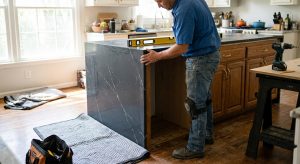
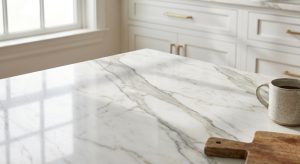
If you are considering a kitchen or bathroom upgrade, you have likely come across the idea of seamless waterfall countertop installation. This design uses the same countertop material for both the horizontal surface and the sides, creating a striking, cascading effect. While it can feel like a big step, installing a waterfall edge can transform your space with elegance, functionality, and a modern flair that celebrates the beauty of premium quartz, marble, granite, or solid surface materials. In this article, you will learn all about waterfall countertops, from their benefits to the installation process, so you can decide whether this design perfectly suits your vision.
Explore the seamless waterfall concept
Waterfall countertops have grown in popularity in recent years among homeowners who want a statement-making feature in their kitchens or bathrooms. From a design perspective, a seamless waterfall forms a continuous extension of your countertop material along the sides of an island or vanity, flowing gracefully to the floor.
What is a waterfall edge?
A waterfall edge is a vertical extension of the countertop material. Instead of ending abruptly at the edge of your cabinets, the surface material wraps down the side in a 90-degree turn. This continuous panel of stone, wood, or solid-surface material mimics the appearance of water cascading over a ledge, hence the name “waterfall.”
- Extends countertop material down the side
- Creates a cohesive and luxurious visual effect
- Protects cabinetry edges from scuffs and water damage
Why seamless installation matters
When you choose a seamless waterfall countertop installation, every joint is carefully mitered at a 45-degree angle so the material flows as one continuous piece. With correct fabrication and alignment, these edges meet without a visible joint. This precise process enhances durability, makes cleaning easier, and elevates your overall design with a polished, sophisticated look.
- Minimizes noticeable seams
- Preserves the aesthetic flow of patterns and veining
- Helps protect against chips or weak points
Adopting a waterfall edge is about achieving both functionality and style. You may consider it for a waterfall bathroom vanity waterfall or a large stone island in your kitchen. By exploring its benefits, you can determine if the cascading effect aligns with your interior vision.
Discover key benefits
Waterfall edges are more than visually appealing. They offer practical advantages that can enhance your everyday experience in the kitchen or bathroom.
Elevate overall aesthetics
One of the primary reasons people love waterfall countertops is the instant visual impact. They exude a luxurious, contemporary vibe that showcases the beauty of your chosen stone or solid surface. If you opt for materials with natural veining, like marble or granite, a seamless waterfall showcases these patterns almost like art. Meanwhile, uniform materials such as quartz can create sleek, modern lines that blend seamlessly into minimalist or transitional designs.
- Modern, high-end look
- Eye-catching focal point
- Showcases stone veining or uniform finishes
The fluid lines of this design can easily complement other premium décor elements, such as matching backsplash materials or custom cabinetry. You may even merge the concept with a waterfall countertop backsplash design for a thoroughly cohesive feel.
Enhance protection for cabinets
A waterfall edge helps shield the sides of your base cabinets or vanity from nicks, scuffs, and general wear. Cabinets often endure bumps from vacuum cleaners, foot traffic, or children’s activities. When your countertop extends downward, it forms a robust barrier against these daily stresses. Not only does this design prolong your cabinet’s life, but it also keeps them looking new for a longer time.
- Protects cabinet sides from accidental damage
- Preserves cabinet finishes from common scuffs
- Easier to wipe down and maintain
Create functional seating overhang
A large overhang on your waterfall countertop, when properly supported, can serve as an informal dining spot or a convenient workstation. Whether in the kitchen or in another part of your home, a comfortable seating area beneath your cascading countertop adds life to the space. Having a sturdy, well-supported overhang ensures plenty of legroom and blends style with everyday use.
- Generous space for bar stools
- Offers casual dining or workspace
- Reinforces a communal, inviting atmosphere
Simplify cleaning and maintenance
With sealed stone or solid surfaces wrapping down the sides, you have fewer exposed cabinet edges to worry about. Cleaning can become more efficient—spills and crumbs don’t settle in nooks and crannies along the edge of cabinet boxes. By periodically wiping down the countertop and the waterfall side, you can easily maintain a fresh look for years to come.
- Fast and easy wipe-down
- Minimal crevices to collect debris
- Fewer vulnerable seams
Overall, this unique design approach brings a practical, elevated look to any kitchen or bathroom. It can pair perfectly with advanced materials like quartz, or timeless natural stones like granite and marble. If you plan to refine a residential area, a residential waterfall countertop installation can truly give your space a luxurious update.
Consider popular countertop materials
Different materials each offer distinct advantages for a waterfall edge. From quartz to wood, you can select a style that matches your lifestyle, budget, and décor.
Quartz
Quartz is an engineered stone known for its durability, non-porous nature, and consistent color patterns. It resists stains and scratches better than many natural stones, making it a top pick for busy households. According to experts, quartz is one of the best materials for seamless waterfall countertop installation because:
- It offers uniform veining or patterns
- It is easy to align at mitered edges
- It rarely requires sealing
If you love the look of quartz, check out waterfall quartz countertop installation for more details about its distinctive benefits.
Granite
Granite remains a favorite for its one-of-a-kind natural beauty and durability. Each slab can have unique veining and color variations, providing a truly custom statement piece for your home. While granite requires occasional sealing to maintain its luster, many homeowners find that the stone’s appearance and resilience outweigh the upkeep. For a seamless waterfall design, professionals will carefully align any prominent veins at the edges. If you want more insights, consult waterfall granite countertop installation.
Marble
Marble evokes timeless elegance. Its soft, luxurious look can be a bold choice for those seeking a sophisticated ambiance. When turned into a waterfall edge, marble’s distinctive veining can continue down the sides, creating a visually stunning focal point. Keep in mind that marble is more porous and may require regular sealing to resist staining. If you adore elegance, start by learning more about waterfall marble countertops.
Solid-surface options
Solid-surface materials, like certain acrylic or resin-based counters, are known for their seamless capabilities. They often require no sealing, and their uniform color helps hide joints. These materials can be easily shaped, making them suitable for intricate designs. Still, you need to consider heat resistance and overall durability. In some cases, they’re more prone to scratches than stone, but those scratches can be professionally buffed or refinished.
No matter which material you select, it is vital to ensure professional cutting and alignment. If you already have a specific material in mind, you might explore a waterfall countertop material selection consultation to confirm it is the right fit for your space.
Plan for installation steps
The process of installing a waterfall countertop involves precision from start to finish. Professionals pay attention to details like measurements, mitered corners, and secure bonding methods to ensure a near-invisible seam. Knowing what to expect from your project can help you feel prepared and confident in every stage.
Measurement and templating
Before any cuts are made, installers typically visit your home to take detailed measurements with laser-guided tools or manual techniques. This step, often referred to as a waterfall countertop measurement service, ensures that the final countertop is shaped to match both the horizontal surface and the sides. According to EdStone, this templating phase can take one to two hours, during which technicians capture every dimension—cabinet edges, cutouts for appliances, and the space required for plumbing or electrical.
- Precision avoids gaps or short overhangs
- Ensures leaves for seating, if desired
- Accounts for angle or corner specifics
Fabrication and cutting
Once the template is finalized, fabrication begins. This phase usually takes a few days to a couple of weeks, depending on your material choice and project size. Expert fabricators use specialized equipment to cut and polish the stone or solid surface. During waterfall installations, they create 45-degree mitered edges where the top slab will meet the vertical slab.
- Ensures the vertical and horizontal pieces align seamlessly
- Allows for adjustments of patterns or veining
- Custom cutouts for sinks, faucets, or cooktops
In some high-end workshops, these cuts can be done using CNC technology to achieve impeccable accuracy. If your countertop includes complex angles or large overhangs, the fabrication process becomes more detailed. In that case, you may want to explore advanced services like custom waterfall countertop fabrication to ensure everything fits perfectly.
Seamless alignment technique
Correct alignment is essential for creating the signature “waterfall” effect. At installation, professionals carefully apply silicone, resin adhesives, or other sealants along the mitered joints. They gradually position and adjust the slabs until the vertical piece lines up perfectly with the countertop surface. Precision ensures minimal or nearly invisible seams, especially if you used a material with continuous veining.
- Skilled installers carefully clamp edges for secure bonding
- Sealants hold pieces snugly and protect against moisture
- Imperfections or gaps are filled and polished away
As a final step, the installer cleans and seals as needed. For stones like marble or granite, a protective seal helps safeguard the surface from stains. The countertop must typically rest for a day or two so the adhesives can fully cure. During this time, avoid placing heavy items on it or using the sink to ensure the best results.
Factor in cost considerations
Understanding cost factors is part of planning a successful waterfall project. Generally, waterfall countertops can be more expensive than standard counters because they require additional material for the vertical section, plus more intricate cutting.
- Extra material for the waterfall edge
- Labor-intensive fabrication and mitering
- Additional support structures or brackets
According to Better Homes & Gardens (BHG), you might expect an extra $1,000 to $2,000 above standard fabrication fees for a waterfall design. Each situation varies based on countertop size, complexity, and the material you select. Larger slabs of marble or heavily veined quartz might raise costs further, since extra care is needed to align patterns. For details on budget planning, you might start with a waterfall countertop cost estimate to get a clearer picture of final expenses.
Other elements that could influence cost:
- Complexity of corners
- Difficulty of accessing the installation site
- Need for custom edge profiling
If you require an extensive overhang for a bar seating area, you will likely need hidden supports or brackets. These are crucial for ensuring safety and stability, especially if you plan to accommodate stools beneath the overhang.
Balance DIY vs. professional help
While some countertop projects can be DIY-friendly, a waterfall installation presents unique challenges. The slabs used are typically large and heavy, often weighing hundreds of pounds. Achieving mitered edges, flush alignment, and perfect seams demands specialized expertise. One slip or miscalculation can result in cracks, chipped edges, or uneven corners that detract from the final look.
- Professional installers have the right tools to ensure accuracy
- Expert teams provide a sense of security for expensive materials
- DIY attempts may lead to costly corrections down the road
It is usually best to rely on a waterfall countertop contractor near me who has direct experience with these complex tasks. They can handle the entire workflow, from waterfall countertop templating to waterfall countertop sealing service, resulting in a cohesive and efficient project. In most cases, hiring specialists saves both time and potential frustration—particularly for premium materials like quartzite or exotic granite.
Maintain and protect the surface
Once your seamless waterfall countertop installation is complete, routine maintenance will help preserve its beauty over time. The exact care routine varies depending on your chosen material, although certain guidelines apply to most types of stone and solid surfaces.
- Wipe spills promptly to prevent stains
- Use gentle cleaners, free of harsh chemicals
- Avoid placing hot pans directly on the surface
- Use microfiber cloths for daily cleaning
For porous stones like marble or granite, occasionally reapply sealant to maintain protection against liquids. If everyday wear has dulled your countertop over time, a waterfall countertop refinishing service might restore its shine.
Additional tips for an extended lifespan
- Use cutting boards: Even when materials are scratch-resistant, it is best to use a cutting board.
- Place trivets for hot pans: Direct heat can discolor or damage certain surfaces, especially if left for too long.
- Avoid harsh abrasives: Steel wool or abrasive scrubbing pads can dull the finish or leave scratches.
- Clean gently: Use a mild soap solution or a non-abrasive countertop cleaner.
You may also explore a waterfall countertop timeline management option if you aim to coordinate ongoing maintenance with any remodel tasks. Even if you plan to replace or upgrade these surfaces later, consistent care helps preserve resale value and keeps your home looking its best.
Frequently asked questions (FAQ)
-
Are waterfall countertops worth the extra cost?
Yes. While you will pay more due to additional materials and specialized cuts, many homeowners feel the investment pays off in long-term style and durability. A waterfall edge can even protect cabinets and add resale appeal. -
How long does a seamless waterfall installation take?
According to EdStone, the process from measurement to full installation can last a couple of weeks. Templating might only take a few hours, but fabrication often requires days of careful work, and final installation typically handles alignment, sealing, and curing over 1-2 days. -
Which materials are best for a waterfall design?
Popular choices include quartz, granite, marble, and certain solid-surface options. Quartz is known for easy maintenance and uniform looks, while granite and marble offer striking natural veining, and solid-surface materials can be shaped without visible seams. -
How far should my countertop overhang extend for seating?
Overhangs can range from about 10 inches to around 18 inches depending on your preferred seating arrangement, as well as the strength of your support structure. It is essential to add brackets or support bars if you plan to accommodate bar stools or significant weight. -
Is there a recommended thickness for a waterfall edge?
Most waterfall countertops are 2 to 3 inches thick, but each project can vary. You should ensure the horizontal and vertical pieces match in thickness for a seamless effect, and consult professionals to determine if your cabinets or base can handle a thicker slab.
Conclusion
Opting for a seamless waterfall countertop installation can elevate both the look and functionality of your kitchen or bathroom. You enjoy an eye-catching focal point that protects cabinetry, offers modern seating options, and showcases top-quality materials like quartz, granite, or marble. While costs may be higher than traditional countertops, the long-term value can prove well worth it. Skilled fabricators and installers ensure precision from waterfall countertop project consultation through final sealing, resulting in the exquisite, continuous effect that defines the waterfall style.
If you seek an upscale, contemporary aesthetic, consider a waterfall edge for your next renovation or new build. By exploring material options, budgeting wisely, and entrusting the process to experienced professionals, you can create a sophisticated design that continues to impress for years to come. The result is a stunning, long-lasting statement piece that not only looks beautiful but also improves overall functionality and ease of maintenance in your most beloved spaces.