Exploring Countertop Options
When we consider upgrading our countertops, there are several materials available that offer a combination of functionality and aesthetic appeal. Each option has unique characteristics that may suit our kitchen design needs. In this section, we will explore three primary types of countertop materials: butcher block, stone materials, and man-made materials.
Butcher Block
Butcher block countertops are a classic choice that adds warmth and a natural look to any kitchen. They are crafted from straight cuts of wood, making them a renewable resource. These countertops provide a robust surface ideal for food preparation, enhancing both functionality and style in our kitchen. However, they do require regular maintenance, which includes oiling to prevent drying and cracking. Butcher block is an excellent option for those who appreciate a rustic or farmhouse aesthetic.
| Material | Pros | Cons |
|---|---|---|
| Butcher Block | Natural look, easy to repair, warm texture | Requires regular maintenance, can scratch easily |
For a modern twist, consider pairing butcher block with waterfall edge countertops for added visual impact.
Stone Materials
Stone countertops, such as granite, marble, and quartz, are highly regarded for their strength and elegance. Among these, quartz is often considered the best option for kitchen countertops due to its durability, low maintenance, and versatility in design. Natural stone materials offer unique patterns, making each countertop a one-of-a-kind work of art.
| Material | Durability (1-10) | Maintenance Level (1-10) | Heat Resistance |
|---|---|---|---|
| Granite | 8 | 6 | High |
| Marble | 7 | 4 | Moderate |
| Quartz | 9 | 2 | High |
Different stone materials have varying levels of resistance to scratches, stains, and heat; therefore, it’s essential to choose a stone that aligns with our cooking habits and lifestyle. For instance, while marble offers beautiful aesthetics, it requires more careful maintenance compared to quartz. For more details on these materials, visit our article on comparing quartz granite and marble countertops: pros and cons.
Man-Made Materials
Man-made materials, particularly engineered stone like quartz, have gained popularity due to their combines beauty and durability. These countertops are crafted from a blend of natural stone and resins, resulting in a material that is non-porous and resistant to staining, scratching, and heat. The manufacturing process allows for a vast array of colors and patterns, making it easy to find a style that complements our cabinets and flooring perfectly.
| Material | Durability (1-10) | Maintenance Level (1-10) | Stain Resistance |
|---|---|---|---|
| Quartz | 9 | 2 | Excellent |
| Solid Surface | 8 | 3 | Very Good |
These man-made materials not only provide a polished finish but also tend to be more uniform in appearance than natural stone, which can be beneficial in achieving a cohesive look in our kitchen. If we’re interested in a combination of durability and aesthetic appeal, exploring man-made options would be advantageous. For tips on how to select the best material, check out our guide on how to choose the best countertop for your kitchen remodel.
Choosing the Perfect Countertop
Selecting the right countertop involves several key factors that can greatly influence both functionality and aesthetics in our kitchen. We will examine the visual characteristics, durability considerations, and budgetary constraints to help us make an informed decision.
Visual Characteristics
The visual appeal of our kitchen countertops plays a crucial role in creating the desired atmosphere. When choosing a countertop, we should consider how its color and texture will complement our cabinets and flooring. Materials like quartz offer a sleek and modern look, while natural stones like granite or marble provide a more traditional and elegant aesthetic. Here is a comparison of common materials:
| Material | Visual Appeal | Common Colors | Texture Options |
|---|---|---|---|
| Quartz | Sleek, minimalist | Various, including whites, grays, and blacks | Smooth, quartzite-like |
| Granite | Natural, classic | Unique patterns in various colors | Rough, polished |
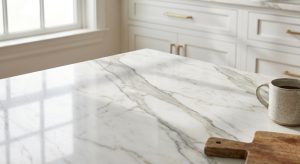
| Marble | Luxurious, refined | Whites with gray veining, black | Smooth, polished |
| Laminate | Versatile, budget-friendly | Wide range of colors and prints | Smooth, textured |
The right material can help us achieve the look we want while ensuring it harmonizes with other elements in our space.
Durability Considerations
Durability is a critical factor when selecting countertops, as we want a surface that withstands daily use. Choosing a material that offers heat, scratch, and stain resistance can save us from frequent repairs or replacements. Quartz is generally regarded as the best option for kitchens due to its impressive durability, followed closely by granite and solid surfaces.
| Material | Scratch Resistance | Heat Resistance | Stain Resistance | Maintenance Level |
|---|---|---|---|---|
| Quartz | High | Moderate | High | Low |
| Granite | High | High | Moderate | Moderate |
| Marble | Moderate | Low | Low | High |
| Laminate | Moderate | Low | Moderate | Low |
Regular maintenance and proper care will help extend the life of our chosen countertop material. For more information about durability, check our guide on understanding the durability differences between stone types.
Budgetary Constraints
Budget is an essential consideration in the countertop selection process. Countertop materials can vary significantly in cost, so it’s vital we establish our budget before making any decisions. Typically, laminate offers a lower-cost option, while natural stones like granite and marble tend to be more expensive due to their quality and durability.
| Material | Average Cost per Square Foot |
|---|---|
| Quartz | $50 – $120 |
| Granite | $40 – $100 |
| Marble | $50 – $150 |
| Laminate | $10 – $40 |
By understanding the costs associated with different materials, we can make a choice that aligns with our financial goals while still achieving a beautiful design. For additional tips on selecting materials, refer to our article on how to choose the best countertop for your kitchen remodel.
By evaluating the visual characteristics, durability considerations, and budget, we can determine the best countertop material that complements our cabinets and flooring while fulfilling our needs.
Harmonizing Countertops and Cabinets
Creating a harmonious kitchen design requires careful consideration of how our countertop materials interact with our cabinets. We can achieve a beautiful and cohesive look by focusing on color coordination, style matching, and overall aesthetic unity.
Color Coordination Tips
When it comes to contrasting or complementing colors in our kitchen, there are no strict rules. We can select colors that bring out the best in each other. For a classic look, pairing white cabinets with dark granite countertops is a timeless choice. For a bolder option, navy cabinets with light quartz can add character to our space. If we’re aiming for something unique, consider warm wood cabinets with cool gray countertops; this combination adds depth and interest to our kitchen (Quintessential Renovations).
| Cabinet Color | Countertop Color | Style |
|---|---|---|
| White | Dark Granite | Classic |
| Navy | Light Quartz | Bold |
| Warm Wood | Cool Gray | Unique |
Matching vs. Contrasting Styles
We should think about how the styles of our cabinets and countertops will interact. A rustic granite countertop can create an interesting contrast with sleek, modern cabinets. Conversely, pairing smooth quartz countertops with glossy cabinets leads to a seamless, contemporary appearance. The key is to ensure that the styles complement each other, as striking the right balance can create compelling visual focal points in our kitchen (Quintessential Renovations).
Creating a Cohesive Look
To achieve a cohesive look in our kitchens, we need to consider how all elements, including cabinets, countertops, flooring, and backsplashes, work together. Experimenting with a variety of countertop materials and colors can lead us to a stunning result that reflects our personal style while meeting functional needs. Remember to seek options that enhance the overall design aesthetic while accounting for practical aspects, such as durability and maintenance (Savona Design).
By thoughtfully selecting cohesive elements in our kitchen designs, we can create a space that is not only visually appealing but also harmonious in its functionality.
Coordinating Countertops and Flooring
Creating a cohesive look in our kitchen involves paying careful attention to how countertops interact with flooring choices. By balancing tones and creating visual harmony, we can elevate our space while ensuring practicality.
Balancing Dark and Light Tones
In our kitchen design, it’s essential to achieve a perfect balance between dark and light tones. A well-thought-out color combination helps create an inviting atmosphere. Dark cabinets typically pair well with lighter floors, which not only enhances the appearance of space but also adds a fresh, modern touch. Conversely, light cabinets can be effectively complemented by medium or dark flooring to avoid excessive contrast, ensuring a well-rounded design (Savona Design).
| Cabinet Color | Recommended Flooring Color |
|---|---|
| Dark | Light |
| Light | Medium to Dark |
Creating Visual Harmony
Countertops are vital in establishing the overall aesthetic of the kitchen. It’s important to choose countertop colors that harmonize with the existing cabinetry and flooring. For instance, pairing sleek, modern cabinetry with organic materials can introduce a striking contrast that draws attention (Quintessential Renovations). We should consider how different materials work together, emphasizing the functionality and visual appeal of our kitchens.
The following table summarizes some effective pairings for visual harmony:
| Countertop Material | Complementary Cabinet Style | Complementary Flooring |
|---|---|---|
| Quartz | Modern | Light Wood |
| Granite | Rustic | Dark Tile |
| Marble | Classic | Medium Stains |
For more insights on countertop selections, refer to our guide on how to choose the best countertop for your kitchen remodel.
Practical Considerations
When selecting flooring and countertop materials, practicality is vital. The kitchen floor serves as the foundation of design and should complement cabinets and countertops. For instance, we should consider how countertops will hold up against everyday wear and tear, making choices that entail minimal maintenance and durability (Karin Ross Designs).
Countertop and flooring combinations also need to factor in resistance to heat, scratches, and stains to ensure longevity. For an in-depth look at these aspects, explore what you need to know about heat scratch and stain resistance.
By diligently coordinating our countertops with flooring, we can create an inviting, efficient kitchen that reflects our style while maintaining practicality and durability.
Factors to Consider when Selecting Countertops
When we are in the process of selecting countertops, there are several critical factors to keep in mind to ensure that our choices align perfectly with our kitchen’s aesthetic and functional needs. These factors include aesthetics and design, material durability, and maintenance requirements.
Aesthetics and Design
The visual appeal of our countertops plays a significant role in the overall design of the kitchen. It is essential that the selected material complements the existing cabinetry and flooring. For instance, if we desire a sleek and modern look, quartz countertops might be the best fit due to their minimalist design. On the other hand, natural stones like granite or marble can add a touch of tradition and elegance to a classic kitchen. The color and texture of the countertops can dramatically influence the mood of the space (Karin Ross Designs).
| Countertop Material | Style Suitability | Aesthetic Characteristics |
|---|---|---|
| Quartz | Modern | Sleek, uniform color |
| Granite | Traditional | Unique patterns, natural look |
| Marble | Elegant | Veined patterns, luxurious feel |
| Butcher Block | Rustic | Warm, natural wood appearance |
Material Durability
Selecting the right countertop material is crucial because it directly affects durability, which can lead to increased longevity and reduced replacement costs. Various materials have different levels of resistance to scratches, stains, and heat:
| Countertop Material | Scratch Resistance | Stain Resistance | Heat Resistance |
|---|---|---|---|
| Quartz | High | High | Moderate |
| Granite | High | Moderate | High |
| Marble | Moderate | Low | Moderate |
| Butcher Block | Low | Moderate | Low |
For a deeper dive into durability specifics, check out our article on understanding the durability differences between stone types.
Maintenance Requirements
Different materials come with varying maintenance needs that we must consider in our selection process. For example, while quartz is relatively low maintenance, requiring only soap and water for cleaning, natural stones like granite and marble often need periodic sealing to maintain their appearance.
| Countertop Material | Maintenance Level | Cleaning Method |
|---|---|---|
| Quartz | Low | Simple soap and water |
| Granite | Moderate | Seal regularly, soap and water |
| Marble | High | Seal regularly, special marble cleaner |
| Butcher Block | High | Oil regularly, special cleaner |
Understanding these maintenance requirements will help us determine the most suitable countertop material for our lifestyle and usage patterns. For tips on cleaning and caring for different materials, take a look at what you need to know about heat scratch and stain resistance.
By considering aesthetics, durability, and maintenance when selecting our countertops, we can ensure a beautiful and functional addition to our kitchen that harmonizes well with both cabinets and flooring. This thoughtful approach will ultimately elevate our kitchen design to the next level.
Enhancing Your Kitchen Design
In shaping the perfect kitchen, we recognize that every detail adds to the overall aesthetic and functionality. Customizing countertop thickness, exploring innovative features, and engaging in early design planning are all essential components for achieving a seamless integration of materials.
Customizing Countertop Thickness
The thickness of our countertops significantly influences cabinet height and clearance. Typical thickness ranges from ½ inch to 6 inches or more, depending on the material we choose and our desired style (One Source Cabinets). Custom thickness can create a bold statement or a sleek profile within our kitchen space.
| Thickness Option | Typical Use | Visual Impact |
|---|---|---|
| ½ inch | Minimalist designs | Sleek and modern |
| 1 inch | Standard kitchen applications | Balanced appearance |
| 2 inches | More prominent, traditional look | Heavy and substantial |
| 3 inches and more | Dramatic waterfall designs | Elegant and luxurious |
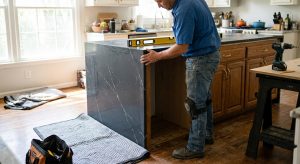
When opting for waterfall countertops, these details become especially critical. The material’s seamless extension down the sides of cabinets creates a dramatic effect that contributes to a cohesive design. Careful planning with our design team ensures everything aligns perfectly for the best outcome.
Innovative Countertop Features
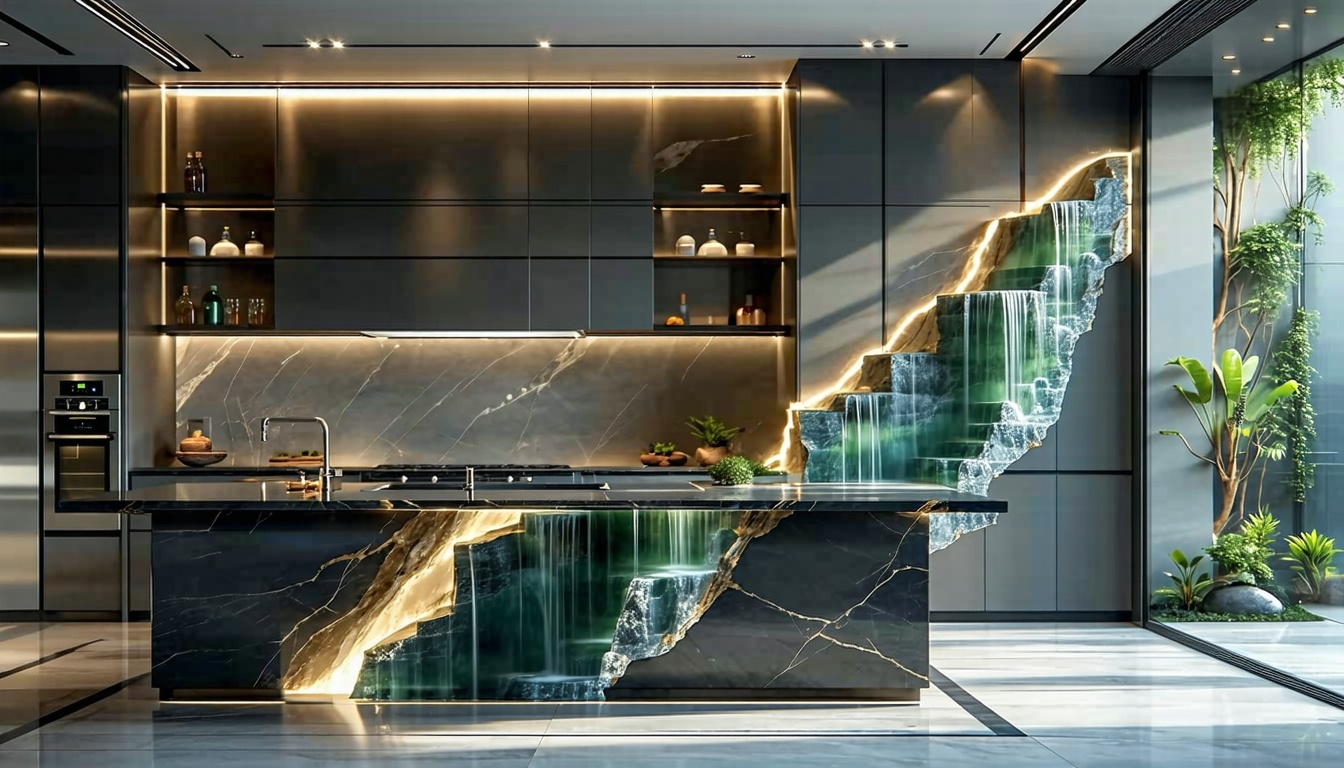
Incorporating innovative features into our countertop choices can enhance both functionality and aesthetics. One stunning option is backlit countertops. These utilize translucent materials such as quartzite, providing a captivating glow in the kitchen. Installing backlit features requires coordination with both an electrician and the countertop fabricator to achieve the intended visual effect (One Source Cabinets).
Innovative designs can also include:
- Integrated Charging Stations: Convenient for keeping our devices powered.
- Built-in Waterfalls: Adds a unique aesthetic appeal.
- Textured Finishes: Provides an interesting tactile aspect to the design.
Early Design Planning
Engaging in early planning for our countertop selections allows us to avoid common design pitfalls and save time, money, and frustration during installation (One Source Cabinets). Deciding early on how our countertops align with cabinets and flooring ensures that every element complements the overall design vision.
This proactive approach can lead to a flawless kitchen remodel tailored to our unique needs. From color coordination to material choices, timing plays a significant role in creating a harmonious space. To help visualize the process, we can utilize tools like 3D rendering to bring our ideas to life before making final decisions.
As we enhance our kitchen design, let us consider these elements carefully. Thoughtful planning and innovative touches will undoubtedly elevate our space to new heights.